
These discussions focused on gaps in artificial intelligence, community-based advanced therapy, and demands of federal drug price negotiations.
Ashley Gallagher is an assistant managing editor at Drug Topics®. She graduated in 2020 in journalism and mass communications and received her master’s degree in 2025 in digital journalism from St. Bonaventure University. Previously, she worked as a pharmacy technician for a retail chain.
These discussions focused on gaps in artificial intelligence, community-based advanced therapy, and demands of federal drug price negotiations.

FDA approves Caplyta to prevent schizophrenia relapse, cutting risk 63% with a stable metabolic profile.

Community pharmacists can help manage worsening wounds, coordinate rural care teams, and overcome time and scope limits to improve healing.

Pharmacies can use technology and artificial intelligence to cut specialty drug complexity, boost access and adherence, and help pharmacists guide patients.

Digital specialty pharmacy, AI-driven intent, and mega-blockbuster drugs reshape patient engagement, access, and long-term adherence strategies.


Pharmacy benefit manager reforms, gene therapy scale-up, artificial trust risks, and more reshape specialty pharmacy.

Real-time prescription pricing and auto-applied discounts cut pharmacy counter surprises, speed therapy, and free pharmacists for patient-focused care.

Lower patient caps shift costs to community pharmacies, fueling pharmacy benefit manager fees, mail-order growth, and pharmacy deserts.

Pharmacists can review medications that delay wound healing, helping patients choose safer care and avoid infections.

Researchers find Reddit posts provides a look at the real-world adverse effects of glucagon-like peptide-1 receptor agonists.

The 2026 guidance emphasizes that selecting newer and innovative agents should occur early, dependent on comorbidities of the patient.
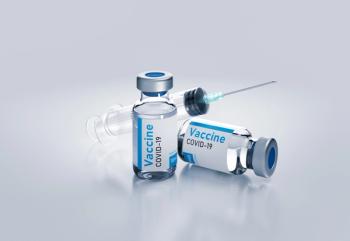
A head-to-head trial shows a protein-based COVID-19 booster causes fewer adverse effects, boosting patient preference and aiding pharmacists.

Under a 12-month agreement, the Utah authorities granted companies permission to use generative AI to authorize medication refills for state residents.

FDA expands Tzield use to age 1 year to delay stage 3 type 1 diabetes, enabling earlier immune intervention.

Community pharmacists can spot chronic wound red flags, boost diabetes control, and guide prevention for faster healing and safer care.
Cloned pharmacy sites and fake GLP-1 weight-loss pens surge online, prompting federal crackdowns and urgent safety warnings for patients.
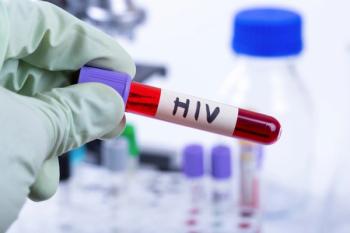
FDA approves Idvynso, a 2-drug HIV switch option for suppressed adults, supporting simpler care as people age with HIV and manage multiple conditions.

Pharmacists cut through wound-care aisle confusion, explaining simple steps, moist healing, and when basic dressings beat pricey ointments.

The executive order mandates national priority vouchers for psychedelic drugs that have received breakthrough therapy designations.

New IL‑33 antibody cuts chronic obstructive pulmonary disease flare-ups in phase 3 trials, showing benefit and safety.
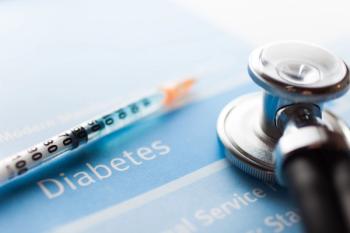
A long-term trial shows oral orforglipron boosts A1C and weight loss with reassuring cardiovascular safety and simpler dosing for type 2 diabetes.
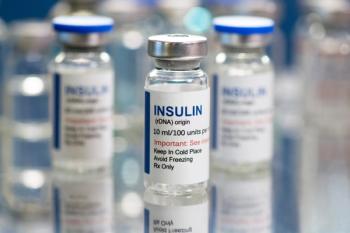
Pharmacists optimize insulin therapy, including basal and bolus dosing, missed-dose tips, continuous glucose monitoring insights, and affordability.

New research shows older adults vaccinate more when confident navigating their health care.

New 2026 guidance backs long-term obesity drugs, spotlighting GLP-1 benefits, side effects, and off-label risks pharmacists must navigate.

The most common mistake pharmacists can make when promoting their new clinical service is not marketing it.

The drug could be an effective analgesia with a safety profile that could fundamentally alter the landscape of pain management and addiction treatment.

Community pharmacists deliver fast wound assessment, OTC guidance, and prevention tips, supporting safe healing when clinics are closed and care feels urgent.

Community pharmacy workflows can support medical billing and new clinical services, empowering technicians and freeing pharmacists for patient care.
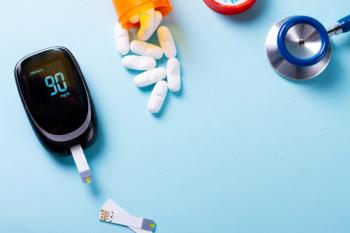
Non-high-density lipoprotein cholesterol matters in type 2 diabetes care and can be managed with statins, combination therapy, and omega‑3s.