
The analysis is not a head-to-head trial, and the weight loss gap reached statistical significance under 1 of 2 estimands.
Ashley Gallagher is an assistant managing editor at Drug Topics®. She graduated in 2020 in journalism and mass communications and received her master’s degree in 2025 in digital journalism from St. Bonaventure University. Previously, she worked as a pharmacy technician for a retail chain.
The analysis is not a head-to-head trial, and the weight loss gap reached statistical significance under 1 of 2 estimands.

A 1.6-million-birth analysis finds that adoption of a 2016 trial's antibiotic protocol climbed sharply in US hospitals, with a drop in infection rates.

New findings suggest semaglutide's benefits may extend well beyond diabetes and weight loss and into airway disease and mood disorders.

A claims analysis of 2031 patients aged 10 to 17 years found that nutrition counseling was infrequent and often began months after treatment started.

Community pharmacists offer accessible care, improve medication adherence, and build trust through education, vaccination support, and local health leadership.
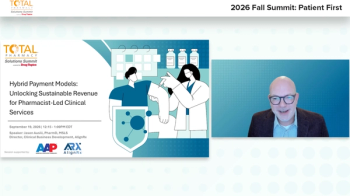
Jason Ausili of AlignRx shows how pharmacies can pair fee-for-service billing with value-based care to build sustainable clinical revenue.
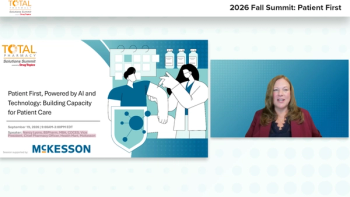
Nancy Lyons urges pharmacists to use AI responsibly to automate routine tasks, freeing time for patient care, starting with one small 90-day pilot.

A study of women aged 50 to 69 years found that thrombotic risk varied by route of administration, estradiol dose, and duration of use.

Medicaid coverage of obesity-labeled GLP-1 receptor agonists may substitute for, rather than simply add to, diabetes-labeled use, a new study finds.

Availability will vary by state, and a pharmacy professor says cost barriers can keep families from getting vaccinated.

Study findings tie continuous glucose monitoring measures to elevated cardiovascular risk in adults without diabetes.

The once daily tablet is expected to reach US patients in October 2026.

The label expansion adds patients 12 years of age and older to the once daily alopecia areata indication.

An American Heart Association scientific statement shows earlier risk factors and social barriers driving cardiovascular disparities in Hispanic adults.

The investigational anti–IL-33 antibody lowered exacerbation rates across all blood eosinophil levels, a benefit current COPD biologics do not offer.

A study finds children starting continuous glucose monitoring within a month of diagnosis sustained lower hemoglobin A1C than those who started later.

Menopause status and symptoms are inconsistently captured in electronic health records, leaving a gap in care for patients.

Data found reduced cardiovascular risk with hormone therapy, particularly among Black women and those starting treatment within 10 years of menopause.

The LATA trial found long-acting cabotegravir–rilpivirine is better than daily oral therapy at keeping adolescents virologically suppressed.

The update adds efficacy and safety data on adults newly diagnosed with pulmonary arterial hypertension.

Cohort studies found no clear cardiovascular benefit from PPV23 vaccination, leaving its role in cardiovascular prevention unresolved.

A high-dose flu vaccine lowered flu- and pneumonia-related hospital stays in patients with chronic lung disease, reinforcing flu and pneumococcal vaccinations.

A guide built from conversations with pharmacists on social media and independent pharmacy owners.

Atogepant reduced migraine days during the perimenstrual period, positioning the medication as a potential first treatment option for the condition.

Data show that commercially and Medicaid-insured children with chronic or immunocompromising conditions incur 2- to 3-fold higher costs.

Results show consistent improvements in wakefulness, cataplexy, and quality of life with oveporexton for patients with narcolepsy.

The trial found that up to 25 days of nirmatrelvir-ritonavir did not improve cognitive, autonomic, or exercise-related symptoms compared with placebo.

James Barnes, CPhT, explains why respecting a patient's time isn't about speed and how he landed in the pharmacy by chance.

ACIP changes, new court rulings, and coverage gaps threaten vaccines, pharmacists’ reimbursement, and children's access through Vaccine For Children.

The approval is the first new treatment advance in more than 30 years for chronic kidney disease for adults with type 1 diabetes.

Published: September 2nd 2025 | Updated: September 5th 2025

August 25th 2025