

Pharmacists guide safe OTC allergy choices and compare Allegra, Claritin, and Zyrtec for fast, 24-hour relief from sneezing and itchy eyes.
Ashley Gallagher is an assistant managing editor at Drug Topics®. She graduated in 2020 in journalism and mass communications and received her master’s degree in 2025 in digital journalism from St. Bonaventure University. Previously, she worked as a pharmacy technician for a retail chain.
Pharmacists guide safe OTC allergy choices and compare Allegra, Claritin, and Zyrtec for fast, 24-hour relief from sneezing and itchy eyes.

Pharmacists help spot nonresponders, navigate accurate testing, and speed diagnosis.

FDA advisors back Moderna’s mRNA flu shot for older adults, hinting at a potential egg-free option for 2026–2027.

The ACTIV-6 trial suggests early metformin may halve clinician-diagnosed long COVID risk, offering a low-cost option pharmacists can apply safely.

Community pharmacists help prevent chronic wounds with early triage, modern dressing guidance, and diabetic foot care.

FDA clears first generic Xofluza tablet, bringing affordable single-dose flu treatment and prevention.

Community pharmacies redesign workflows to address insurance barriers and deliver safer, gender-affirming care.

A study examining naloxone sales found that retail OTC sales have been surprisingly limited despite improvements in access.

This decision marks a milestone in clinical pharmacy as it targets the underlying autoimmune destruction of pancreatic beta cells.

FDA clears first OTC CGM for children 2 years and older, expanding tracking beyond prescriptions for pediatric populations.

This schedule arrives at a time of unprecedented friction between leading medical societies and federal health agencies.

Hydrogel-based platforms offer integrated strategies that simultaneously address infection, biofilm persistence, and impaired tissue regeneration.

Negative pressure wound therapy has been a staple in hospital settings, but clinical data suggests its benefits are more significant than previously thought.

Lebrikizumab enables 8‑week maintenance dosing for severe eczema, reducing injections to 6 yearly while maintaining strong skin‑clearance results.

AI reshapes everyday tasks in the community pharmacy from refill automation to documentation.
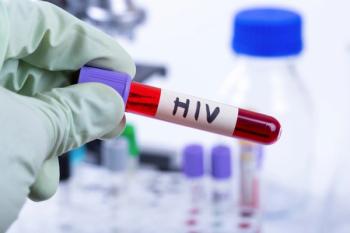
Phase 3 data show a once-weekly HIV pill maintains viral suppression like daily therapy, hinting at simpler long-acting care.

The decision represents the first new sunscreen ingredient permitted in the United States since the late 1990s.

Once-weekly mazdutide drives approximately 17% weight loss in Chinese adults with obesity, offering a dual GLP-1/glucagon metabolic option.
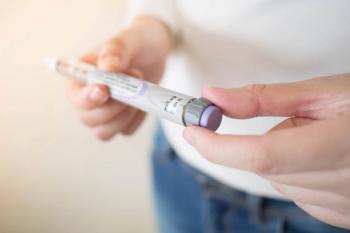
Medicare’s $35 insulin cap cuts cost swings, boosts adherence for high-burden patients, and highlights pharmacists’ role in preventing rationing.

BA.3.2 variant spreads globally, testing vaccine matches as the FDA backs XFG immunizations.

The Age-Friendly Pharmacy certification and the 4Ms reshape senior care, teamwork, and deprescribing by putting the patient in the center of care.

Alabama bans research-grade peptides for patients amid FDA reviewing 12 peptides for compounding use.
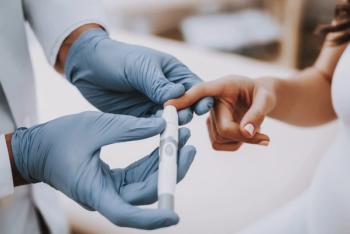
New 9-year data shows some high-risk prediabetes patients progress to type 2 diabetes despite 8% weight loss.

Federal court blocks abrupt childhood vaccine schedule changes, raising insurance and liability uncertainty as pharmacies navigate shifting guidance and growing parent hesitancy.

The executive order calls to realign core childhood vaccine recommendations with scientific evidence and best practices of peer, developed nations.

Bepirovirsen suggests that a finite 24-week treatment course can achieve a functional cure defined as sustained undetectable hepatitis B surface antigen.

Pharmacists flag risky medications, safeguard cold-chain supplies, and counsel with the HEAT checklist.

Pharmacists help women choose safer hormone replacement therapy or nonhormonal relief options.

The approval arrives prior to the Prescription Drug User Fee Act action date of June 16, 2026.
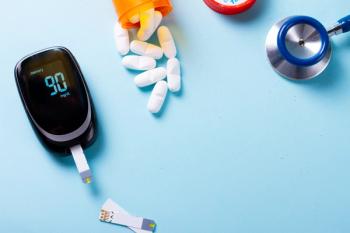
Older adults with type 2 diabetes often juggle 5 or more different prescriptions.