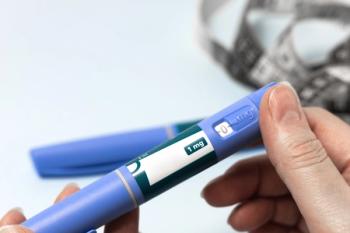
New findings suggest semaglutide's benefits may extend well beyond diabetes and weight loss and into airway disease and mood disorders.
GLP-1 diabetes drugs show promise in cutting addiction risk and overdose deaths, hinting at new options for substance use disorder prevention and care.
A study of over 600,000 US veterans published in The BMJ indicates that glucagon-like peptide-1 (GLP-1) receptor agonists may offer a powerful new tool in the prevention and treatment of substance use disorders (SUDs). Investigators found that veterans with type 2 diabetes (T2D) who initiated GLP-1 therapy had a 14% lower risk of developing new addictions to alcohol, nicotine, cannabis, cocaine, and opioids compared with those starting sodium-glucose cotransporter-2 (SGLT-2) inhibitors.1,2
“Although the growing popularity of GLP-1 receptor agonists and the intense interest in their neuropsychiatric effects have resulted in a surge of studies investigating the potential connections between these drugs and SUDs, important knowledge gaps persist,” the study authors wrote.1
This broad-spectrum preventive effect was particularly pronounced for opioid use disorder, which saw a 25% reduction in incident cases among veterans without a prior history of addiction. Beyond prevention, the study revealed a significant harm-reduction benefit for patients already living with established addictions. Initiating a GLP-1 receptor agonist in these patients was associated with a 50% reduction in mortality, a 39% reduction in drug overdoses, and a 25% decrease in suicidal ideation or attempts.1,2
For pharmacists, these findings suggest that the clinical utility of GLP-1s may soon extend far beyond the management of T2D and obesity and into the realm of behavioral health and addiction medicine. This perspective is bolstered by a separate Swedish nationwide cohort study of 227,866 individuals, which found that semaglutide and liraglutide were associated with a lower risk of alcohol-related hospitalizations than other FDA-approved medications for alcohol use disorder such as naltrexone or acamprosate.1,3
Pharmacists are increasingly likely to encounter patients for whom the choice of a GLP-1 receptor agonist over another antihyperglycemic could provide ancillary benefits for shared decision-making, particularly for those at high risk for substance-related adverse outcomes. The rapid mechanism of action observed in these drugs is supported by cumulative incidence data showing early separation between treatment groups, suggesting that the anti-addictive properties are established soon after initiation.1,2
The underlying science points to neurotropism and the ability of these medications to cross the blood-brain barrier and modulate the brain's reward pathways. Although native GLP-1 is produced in the gut, GLP-1 receptors are also expressed in central nervous system regions like the ventral tegmental area and nucleus accumbens, which are critical to the mesolimbic system. Research suggests that GLP-1 agonists may reduce the rewarding properties of addictive substances by modulating dopamine neurotransmission and enhancing inhibitory signaling within these circuits. This biological plausibility distinguishes GLP-1s from SGLT-2 inhibitors, which act primarily in the renal tubules and lack established direct actions on the brain's reward centers.1,4
“In analyses of people with pre-existing SUDs, GLP-1 receptor agonist use (versus SGLT-2 inhibitor use) was associated with a reduced risk of subsequent adverse clinical events, including SUD related emergency department visits, hospital admissions, and mortality, drug overdose, and suicidal ideation or attempt,” the study authors said.1
Despite the compelling observational data, investigators caution that these results do not yet justify prescribing GLP-1s specifically for addiction without a primary metabolic indication. The Veterans Affairs study primarily included older, male participants, and although subgroup analyses showed consistent results in women, the observational nature of the research means that unmeasured factors like socioeconomic status or lifestyle could still influence the outcomes.1,2
Pharmacists must also remain vigilant regarding the adverse event profile of GLP-1 agonists, including gastrointestinal intolerance and risks of pancreatitis, which must be balanced against potential anti-addictive gains. Large-scale randomized clinical trials are currently underway to confirm these findings and determine if GLP-1s can be formally repurposed as a novel class of treatment for various substance use disorders.1-3
READ MORE:
Are you ready to elevate your pharmacy practice? Sign up today for our