The analysis is not a head-to-head trial, and the weight loss gap reached statistical significance under 1 of 2 estimands.
Once weekly petrelintide, a long-acting amylin analog, delivers up to 10.7% weight loss with placebo-like gastrointestinal tolerability in phase 2.
Roche recently announced positive topline results from its phase 2 ZUPREME-1 (
“Petrelintide achieved meaningful weight loss with a well-tolerated dosing approach, which is essential to support long-term and sustained benefits in people living with obesity,” Levi Garraway, MD, PhD, chief medical officer and head of global product development at Roche, said in a news release.1 “Therefore, these data reinforce our confidence in petrelintide’s potential to address important unmet medical needs in chronic weight management.”
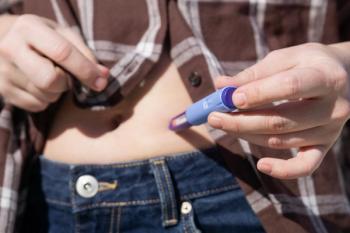
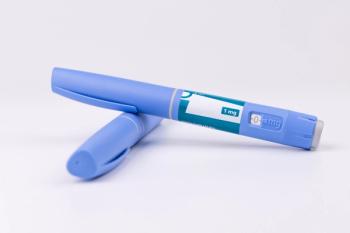
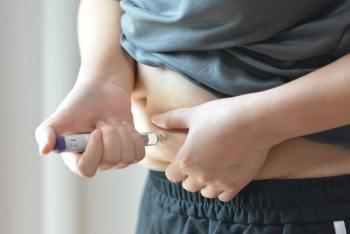
The investigational therapy is designed for once-weekly subcutaneous administration and has been engineered for high chemical and physical stability at a neutral pH, a characteristic that prevents fibrillation and may facilitate future coformulation with other peptide-based medicines.1,2
The 42-week ZUPREME-1 trial, which included 493 participants with a mean body mass index of 37 kg/m², demonstrated that petrelintide achieved a mean body weight reduction of up to 10.7% at its highest dose. This result was statistically significant compared to the 1.7% weight loss observed in the placebo cohort.
For pharmacists monitoring patient adherence and outcomes, the trial’s safety data is particularly noteworthy, as petrelintide exhibited a tolerability profile comparable with placebo. Specifically, in the maximally effective treatment arm, there were no reported cases of vomiting and no treatment discontinuations due to gastrointestinal adverse events, which is common adverse effect for GLP-1 therapies. The overall discontinuation rate due to adverse events (AEs) for petrelintide in this arm was 4.8%, nearly identical to the 4.9% reported for placebo.1
Clinical observations across both the phase 1 and phase 2 trials have highlighted demographic variations in treatment response, with female participants consistently losing considerably more weight than male patients. Despite these efficacy differences, the incidence of gastrointestinal AEs appeared similar between sex. Although nausea was reported, it was primarily mild and tended to dissipate once participants reached their maintenance dose.1,3
Furthermore, single-digit rates of diarrhea and constipation were consistent with those seen in the placebo group. These findings suggest that petrelintide may offer a more favorable patient experience than some existing weight-loss therapies, potentially supporting long-term treatment adherence.1,2
As Roche and Zealand Pharma move forward with their global collaboration to codevelop petrelintide, the focus is now shifting toward its potential as both a monotherapy and a combination regimen. Beyond the primary goal of weight reduction, preclinical data has suggested that amylin analogs may assist in the preservation of lean muscle mass, a critical factor in healthy weight loss.1,2
Pharmacists can expect more data in the near future, with topline results from the ZUPREME-2 (
READ MORE:
Are you ready to elevate your pharmacy practice? Sign up today for our