

New FDA guidance sharpens postmarket pregnancy drug safety data, improving labels and empowering pharmacists to report adverse events.
Ashley Gallagher is an assistant managing editor at Drug Topics®. She graduated in 2020 in journalism and mass communications and received her master’s degree in 2025 in digital journalism from St. Bonaventure University. Previously, she worked as a pharmacy technician for a retail chain.
New FDA guidance sharpens postmarket pregnancy drug safety data, improving labels and empowering pharmacists to report adverse events.
New OASIS 4 data show early oral semaglutide responders hit 21.6% weight loss and improve mobility.

Declining Black-owned pharmacies reshape community care, and pharmacists can advance health equity today.

The announcement comes with a partnership with Mark Cuban Cost Plus Drug Company, Amazon Pharmacy, and GoodRx.

The approval also includes an interchangeability designation, meaning both products can be substituted at the pharmacy level.

FDA approves Baxfendy, a new oral aldosterone blocker, to help hard-to-control hypertension.

Black pharmacists help to power civil rights, voter drives, and community care, linking history to today’s fight for health equity.

Black pharmacists help to fuel civil rights—through drugstores, voter drives, and health equity—offering lessons for today’s care gaps.

Oral ensitrelvir given within 72 hours cuts household symptomatic COVID-19 by 67%, showing safe postexposure prevention.
Meta-analysis shows empagliflozin is superior to sitagliptin with metformin for glycemic control.

HHS targets SSRI overuse, urging pharmacists and clinicians to reassess long-term therapy, use safer tapers, and expand nondrug care.

Mapping data reveals where pharmacy access collapses and how policymakers can fight medication deserts.

The FDA seeks to bar bulk compounding of semaglutide, tirzepatide, and liraglutide, spotlighting risks in online glucagon-like peptide-1 copies.
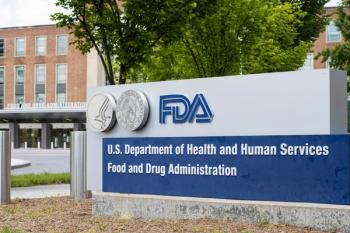
FDA leadership shifts as Marty Makary resigns amid drug, vaccine and mifepristone disputes; Kyle Diamantas steps in as acting commissioner.
Pharmacists expand into vaccines and telehealth, but state laws and reimbursement gaps persist.

ECO 2026 data shows Wegovy cuts migraines, depression, and heart risk in menopausal women, as glucagon-like peptide-1s' demand challenges pharmacists.

Beyond medications, lifestyle modifications can also help patients curb allergy symptoms.

New research shows inflammation and diabetes raise preterm birth risk, suggesting C-reactive protein testing.
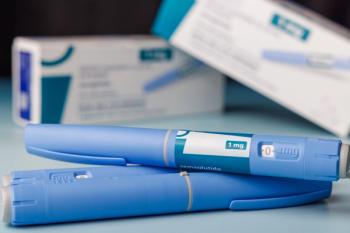
Medicare’s new GLP‑1 bridge program launches soon, easing access without shortages, and pharamcists are at the focal point of these transitions.

By late February 2026, national data from the CDC reveal a test positivity rate of 9.1%, the highest recorded for the entire season at that point.

CMS pilots BALANCE and GLP-1 Bridge models to widen Medicare/Medicaid obesity drug coverage, spotlighting pharmacists’ role in access and safe therapy.

A PQA program shows how value-based pharmacy contracts, shared metrics, and better data boost immunizations and patient outcomes beyond dispensing.

GLP-1 prescriptions surge to nearly 8% of fills, fueled by weight-loss demand.
FDA clears Langlara interchangeable insulin glargine, enabling pharmacy substitution for Lantus and widening affordable basal insulin access.

Because pharmacists can review both prescription and refill histories, they are uniquely positioned to spot patterns of underuse or overuse of allergy and asthma medications.


The FDA expands Auvelity for Alzheimer-related agitation, offering a first nonantipsychotic option backed by trials.

Drug pricing rules reshape pharmacy and manufacturer strategies, as transparency grows and 340B reforms intensify scrutiny.

Specialty pharmacy shifts toward holistic, empathetic care, easier oral therapies, and wider community access to advanced cell and gene treatments.

Pharmacy leaders face rapid change, which can boost agility and automate repetitive tasks.