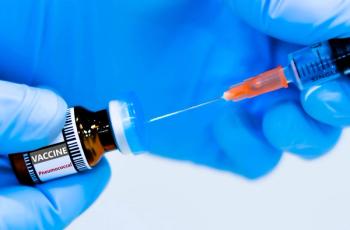
A case shows a suspected recurrence of pneumococcal disease that ended with removal of one cochlear implant and replacement of the other.
Modeling shows PCV20 in pediatric patients prevents millions of pneumococcal cases and saves billions, reshaping vaccination choices for pharmacists and parents.
A new comparative analysis of pediatric pneumococcal vaccination strategies indicates that adopting the 20-valent pneumococcal conjugate vaccine (PCV20) for routine use could significantly improve public health outcomes and reduce the economic burden on the United States health care system. According to a study published in the journal Vaccine, which utilized a dynamic transmission model to simulate the spread of Streptococcus pneumoniae, PCV20 was found to be the dominant strategy when compared to 15-valent (PCV15) or 13-valent (PCV13) alternatives.1
“There are few studies that have used a dynamic transmission model (DTM) to evaluate the potential impacts of PCV20 or PCV15 in a pediatric population,” the study authors said. “Furthermore, no published DTMs have evaluated the impact of all currently available pediatric PCVs in a US setting.”
This means that PCV20 is projected to be both more effective at preventing disease and less costly overall than its lower-valent counterparts. These findings provide a strong evidence-based foundation for pharmacists and health care providers as they navigate the evolving landscape of pediatric immunization.1
The clinical impact of a shift to PCV20 is substantial, with the model projecting that a routine pediatric program could avert 4 million disease cases over a 10-year horizon compared to a PCV15 program. This includes the prevention of approximately 31,361 cases of invasive pneumococcal disease (IPD), such as meningitis and bacteremia, which are severe and costly per case.1
Furthermore, the higher-valent vaccine is expected to prevent nearly 889,000 cases of pneumococcal pneumonia and 3.1 million cases of pneumococcal otitis media. Although noninvasive diseases like ear infections and pneumonia are less severe than IPD, they represent over 90% of the total disease burden, making their reduction a critical priority for community health and pharmacy practice.1
From an economic perspective, the adoption of PCV20 is projected to result in staggering savings for the health care system. Despite the higher cost per dose for the 20-valent vaccine, the study estimates it will lead to $5.114 billion in cost savings compared to PCV15 and $8.28 billion compared to PCV13 over 10 years. These savings are derived from the significant reduction in direct medical costs associated with treating invasive and noninvasive pneumococcal infections. The robustness of these results was confirmed through extensive sensitivity analyses, which consistently showed PCV20 as the most cost-effective and beneficial option across various scenarios and pricing models.1
For pharmacists managing pediatric patients, the CDC currently recommends a routine 4-dose PCV series using either PCV15 or PCV20. The standard schedule involves doses administered at 2, 4, 6, and 12 through 15 months of age. Catch-up guidance is also available for children who miss their shots or start the series later than recommended. Staying up to date on these recommendations is essential, as the United States uses multiple types of pneumococcal vaccines, each protecting against different serotypes.2
When administering the 20-valent vaccine, known commercially as Prevnar 20, clinicians should be aware of its clinical profile and administration requirements. It is provided as an intramuscular suspension and works by stimulating the body to produce antibodies against specific types of pneumococcal bacteria. Common adverse effects include fever and injection site reactions such as pain, redness, and swelling. Other reported effects include headache, muscle stiffness, and joint pain. Pharmacists should also screen for potential drug interactions and warn patients of serious allergic reactions, such as anaphylaxis, which require immediate medical attention.3
“Despite higher vaccine costs, PCV20 was also expected to result in substantial economic savings compared with PCV15 ($5.1 billion over 10 years) and compared with PCV13 ($8.3 billion),” the study authors said. “Results were robust to a variety of sensitivity and scenario analyses, with the estimates for pneumonia incidence and cost representing the most influential parameters on cost-effectiveness results.”
The evolution of pneumococcal vaccines has already seen remarkable success. Since the introduction of the first conjugate vaccines in 2000, the overall incidence of IPD in children under 2 has dropped from 94 per 100,000 to just 8 per 100,000 in 2019. The results of this latest study suggest that by strategically targeting a broader range of serotypes with PCV20, pharmacists and other health care providers can further decrease this burden. For pharmacy professionals specifically, these insights underscore the value of adopting higher-valent vaccines as a proactive measure to enhance quality of life and optimize health care resources in the post-pandemic era.1
READ MORE:
Are you ready to elevate your pharmacy practice? Sign up today for our