




Diabetes
Latest News
Advertisement
Latest Videos







Shorts

0:45
The Pharmacist's Role in Patients' Success with GLP-1s
9 days ago
by
Brian Nowosielski(+1 more)

1:01
Why MASH is the New Metabolic Priority
2 months ago
by
Brian Nowosielski(+1 more)

1:21
Over the Counter Recap: Medicare GLP-1 Bridge Program
3 months ago
by
Brian Nowosielski
0:38
The Massive Opportunity for Pharmacists in Diabetes Care
4 months ago
by
Brian Nowosielski(+1 more)

0:39
A Personal Look at Why Pharmacy Care Matters
4 months ago
by
Brian Nowosielski(+1 more)
0:36
Why Pharmacists Should Be a Standard of Care in Diabetes
4 months ago
by
Brian Nowosielski(+1 more)
0:58
The Shocking Reality of Diabetes Misdiagnosis
5 months ago
by
Brian Nowosielski(+1 more)

0:57
Is a Cure for Type 1 Diabetes on the Horizon?
5 months ago
by
Brian Nowosielski(+1 more)

0:28
Why Pharmacists Are the Secret to Better Health Care
5 months ago
by
Brian Nowosielski(+1 more)

0:59
Over the Counter Recap: GLP-1 Compounding
7 months ago
by
Brian Nowosielski
CME Content











































Advertisement
More News
GLP-1 adherence requires integrated care teams, administrative technology, and proactive clinical support to tackle complex challenges.
Medicaid and Part D low-income subsidy enrollment narrowed some gaps, but much of the disparity occurred within the same plans.
A modeling study projects that a structured lifestyle program for adults with prediabetes would be cost-effective and likely cost saving.

Orforglipron lowered A1C and body weight more than oral semaglutide 25 mg at 52 weeks, but the estimate comes from an indirect comparison.
A claims analysis of 2031 patients aged 10 to 17 years found that nutrition counseling was infrequent and often began months after treatment started.

A study finds children starting continuous glucose monitoring within a month of diagnosis sustained lower hemoglobin A1C than those who started later.

Eli Lilly’s new indication helps improve medication delivery for adults with type 2 diabetes, reducing annual injections by over 300.

In a review of records assessing patients with type 2 diabetes, researchers provide a comprehensive detail of strategies leading to diabetes remission though gaps persist.

Exploring the effects of weight-loss and GLP-1 therapies, researchers determine the specific metabolic determinants that lead to patients’ weight reduction.
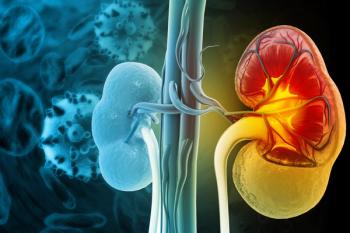
The approval is the first new treatment advance in more than 30 years for chronic kidney disease for adults with type 1 diabetes.
Among patients with type 2 diabetes, researchers explore the effects of selecting additional therapy for GLP-1 treatment.

Adults with type 1 diabetes who used Omnipod 5 Automated Insulin Delivery System maintained significant improvements in time in range and hemoglobin A1C.

A Bayesian meta-analysis finds patients regain half their treatment-associated weight loss within about 7.5 months of stopping semaglutide or tirzepatide.

Once-weekly basal insulin has moved from an intriguing possibility to a new clinical reality.
Data show women are more likely to develop mental health disorders with type 2 diabetes, and men are more likely to develop cardiovascular disease.
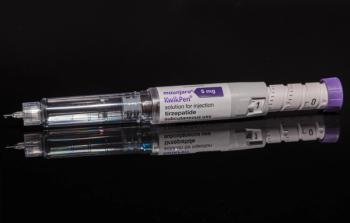
With previous approvals for weight loss and sleep apnea, tirzepatide is opening doors to a healthier well-being for patients living with type 2 diabetes.
Diabetes regimen adjustments for older adults with type 2 diabetes often do not align with glycemic goals, with deintensification remaining infrequent.
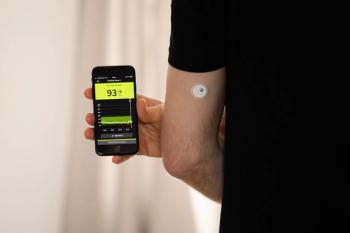
The Libre Duo 10 Day Continuous Dual Glucose Ketone Monitoring System will soon be available for patients 2 years and older with diabetes.

Researchers assess medication adherence and its associated factors among families of patients with schizophrenia and type 2 diabetes.
A study found that patients who sustained high adherence to glucose-lowering medication had a lower rate of major cardiovascular events over 10 years.
New data show illness perception and functional capacity influence each other in older adults with COPD and diabetes after hospital discharge.

Data show that TyG-WC, an index combining insulin resistance and central adiposity, is the only surrogate marker independently linked to osteoporosis.

Researchers assess the effects of pharmacist support in enhancing GLP-1 access in a primary care setting.
From their originally intended purposes to the growing indications showing promise in development, GLP-1 and GIP receptor agonists have evolved rapidly.
Episode 13 assesses the evolution of MASH, how it’s managed by pharmacists, and how it provides another avenue for improving cardiometabolic disease.
Advertisement
Advertisement
Trending on Drug Topics
1
PBM Underpayment Persists as Cost-Plus Brings New Strain | NCPA 2026
2
Q&A: Why Enforcement Is the Weak Link in State PBM Reform | NCPA 2026
3
Pharmacist Roles, Risks in Guiding AI-Enabled Medical Device Use
4
FDA Approves Bepirovirsen Injection to Treat Chronic Hepatitis B
5