A claims analysis of 2031 patients aged 10 to 17 years found that nutrition counseling was infrequent and often began months after treatment started.
Eli Lilly flags unknown impurities in compounded tirzepatide with B12 as FDA targets misleading GLP-1 marketing.
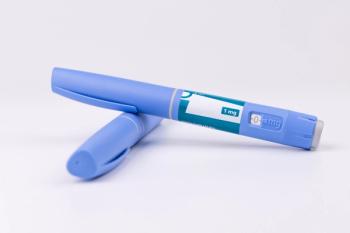
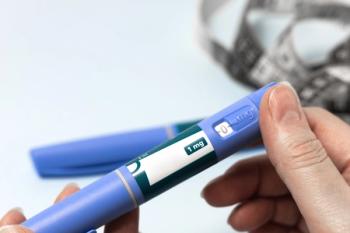
Eli Lilly and Company issued a public warning regarding potential safety risks linked to compounded tirzepatide mixed with vitamin B12, citing the discovery of significant levels of an unknown impurity. This impurity, which results from a chemical reaction between the medication and the B12 additive, raises grave concerns because its short- and long-term effects on human health, toxicity, and potential for immune reactions remain entirely unstudied.1
The pharmaceutical manufacturer emphasized that tirzepatide has never been studied in combination with vitamin B12, and because compounders are not required to monitor or report adverse events, the risks to patients using these products remain unknown.1
Lilly’s warning highlights a broader trend where mass compounders often add untested additives like vitamin B12, glycine, or niacinamide to create personalized versions of medications. These additives have no proven clinical benefit for patients taking tirzepatide, and Lilly asserts that these personalized labels are frequently used as a tactic to evade FDA regulations, according to the company statement.
Beyond chemical impurities, the company reported finding other critical safety issues in compounded knockoffs, including bacterial contamination and high endotoxin levels that are not present in FDA-approved medicines.
This warning arrives as the
“It’s a new era. We are paying close attention to misleading claims being made by telehealth and pharma companies across all media platforms—and taking swift action,” FDA Commissioner Marty Makary, MD, MPH, said in a news release. “Compounded drugs can be important for overcoming shortages or meeting unique patient needs—but compounders should not try to compound drugs in a way that circumvents FDA’s approval process."
The quality concerns are echoed by other major manufacturers in the sector, such as Novo Nordisk who is the manufacturer of semaglutide, which reported that its own testing of certain compounded injectable semaglutide products revealed impurities as high as 86%.
Such high levels of impurities, even in small amounts, can lead to life-threatening immune responses, including anaphylactic shock. Professional organizations including the American Diabetes Association and the American Medical Association have cautioned against the use of compounded GLP-1s due to these uncertainties regarding quality and effectiveness.
For pharmacists, the rise in popularity of these medications has created a complex administrative and clinical landscape. Experts describe the current environment as a "huge administrative nightmare" for community pharmacists who must navigate varying degrees of insurance coverage, prior authorizations, and direct-to-consumer marketing hype.3
“You have a full gamut of patients that are looking to get these medications. Really, you could say that they're miracle drugs; they really provide help to those that need it,” Rae McMahan, senior vice president of payor solutions at Prescryptive Health,
Pharmacists are frequently tasked with educating patients who may be influenced by social media posts that overstate benefits while failing to disclose sponsorships or essential risk information.2
The burden on pharmacy staff is further complicated by the high price point of these drugs and the pressure to find affordable alternatives for patients who do not meet clinical criteria for insurance coverage. Some pharmacies may even choose to avoid dispensing these drugs altogether due to the time-consuming nature of managing their regimens.3
As regulators call for increased enforcement and potential recalls of compounded tirzepatide with untested additives, pharmacists remain on the front lines, bearing the responsibility of counseling patients on the risks of unverified alternatives in an increasingly complex digital marketplace.1
READ MORE:
Are you ready to elevate your pharmacy practice? Sign up today for our