




Obesity Management
Latest News
Advertisement
Latest Videos








Shorts

0:45
The Pharmacist's Role in Patients' Success with GLP-1s
22 days ago
by
Brian Nowosielski(+1 more)
0:37
How GLP-1 Adherence Rates Are Tracking Today
23 days ago
by
Brian Nowosielski(+1 more)

0:38
The Real Barriers to GLP-1 Treatment
24 days ago
by
Brian Nowosielski(+1 more)

0:38
Why There's a Huge Unmet Need for GLP-1s
3 months ago
by
Brian Nowosielski(+1 more)

0:40
How Patients Access GLP-1 Medications in America
4 months ago
by
Brian Nowosielski(+1 more)

1:21
Over the Counter Recap: Medicare GLP-1 Bridge Program
4 months ago
by
Brian Nowosielski

0:48
Over the Counter Recap: GLP-1s for Substance Use Disorder
7 months ago
by
Brian Nowosielski

0:59
Over the Counter Recap: GLP-1 Compounding
7 months ago
by
Brian Nowosielski

0:56
Why GLP-1s Help Hormones, Not Willpower
8 months ago
by
Ashley Gallagher, MA(+1 more)
CME Content



































Advertisement
More News

In a rapidly evolving diabetes and obesity management landscape, Brian Smith, PharmD, discusses approaches that are helping patients maximize their outcomes on GLP-1 therapy.

In this episode, our hosts examine the expanding role of incretin therapies in children and adolescents with obesity and type 2 diabetes.
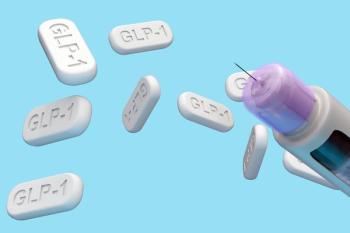
GLP-1 adherence requires integrated care teams, administrative technology, and proactive clinical support to tackle complex challenges.

Orforglipron lowered A1C and body weight more than oral semaglutide 25 mg at 52 weeks, but the estimate comes from an indirect comparison.

The analysis is not a head-to-head trial, and the weight loss gap reached statistical significance under 1 of 2 estimands.

A claims analysis of 2031 patients aged 10 to 17 years found that nutrition counseling was infrequent and often began months after treatment started.
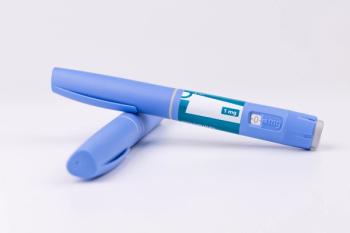
Medicaid coverage of obesity-labeled GLP-1 receptor agonists may substitute for, rather than simply add to, diabetes-labeled use, a new study finds.

With obesity, muscle loss, and sleep disorders so prominent in postmenopause, providers are now looking into further expansion of GLP-1 use.

In a review of records assessing patients with type 2 diabetes, researchers provide a comprehensive detail of strategies leading to diabetes remission though gaps persist.

Exploring the effects of weight-loss and GLP-1 therapies, researchers determine the specific metabolic determinants that lead to patients’ weight reduction.

A Bayesian meta-analysis finds patients regain half their treatment-associated weight loss within about 7.5 months of stopping semaglutide or tirzepatide.

The combination outperformed ixekizumab alone on skin, joint, and weight outcomes through 52 weeks.

Data shows that those who stayed on tirzepatide had monthly health care costs well below those of untreated adults.

A once daily small-molecule GLP-1 receptor agonist showed dose-dependent weight loss with no apparent plateau at 36 weeks.
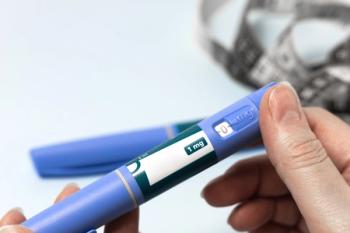
Data show semaglutide's weight loss in patients without diabetes but show how its gastrointestinal tolerability and efficacy compare with other GLP-1s.

Hailey Choi, PharmD, BCAC, CDCES, Jana Murry, PharmD, RPh, and Spencer Casella, PharmD, RPh, answer key questions on GLP-1 compounding.

Researchers assess the effects of pharmacist support in enhancing GLP-1 access in a primary care setting.
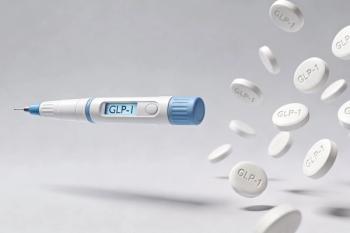
The year 2026 has brought a stark paradox to American pharmacy practice, and it’s affecting the most sought-after prescription drugs on the market.
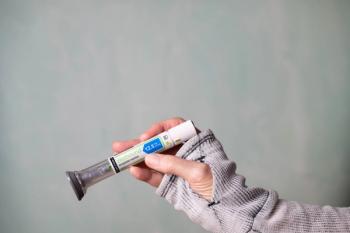
From their originally intended purposes to the growing indications showing promise in development, GLP-1 and GIP receptor agonists have evolved rapidly.
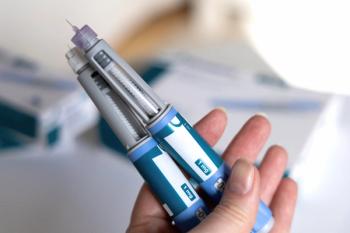
Every pattern of hormonal contraceptive use was associated with subsequent semaglutide initiation, a signal pharmacists and prescribers should watch for.

Large trial emulation study finds a 21% reduction in 3-year fracture risk compared with DPP-4 inhibitors, independent of weight loss or glycemic changes.

Positive results from TRIUMPH-2 and TRIUMPH-3 bring retatrutide's obesity program to 5 successful trials, with Lilly planning to submit in early 2027.

A new report on glucagon-like peptide-1 receptor agonists for obesity finds real clinical value alongside budget impact that already exceeds the review's own threshold.

A secret shopper study finds most are still compounding semaglutide and tirzepatide with additives, often through suppliers lacking sterile compounding licenses.
With the Medicare GLP-1 Bridge Program just 2 weeks old, a drug market expert shared their thoughts on what the initiative may mean for pharmacists and their patients.
Advertisement
Advertisement
Trending on Drug Topics
1
CVS Plans to Split Off Its Retail Pharmacies, Keeping Specialty Operations
2
Team Cuban Card Includes Transparent Pricing for Cash Patients
3
PBM Audit Practices Under Scrutiny: What the House Inquiry Means for Independent Pharmacies
4
GLP-1s Outperform Metformin in Prediabetes Risk, MACE
5