





Pediatrics
Latest News
Advertisement
Latest Videos






Shorts

CME Content











































Advertisement
More News

An analysis found all-cause pneumonia Black, lower-income, and medically at-risk children still face substantially higher rates of hospitalization.

Thomas Lew, MD, ABIM, Molly O’Shea, MD, FAAP, and Jesse Goodman, MD, MPH, discuss vaccine policy changes and their impact on measles outbreaks.

Data show starting antivirals within 48 hours of symptom onset sharply lowers pediatric hospitalization risk.

The approval gives pharmacists a new nonTNF biologic option across both major forms of pediatric inflammatory bowel disease.

The approval gives providers a second-generation integrase inhibitor to start eligible newborns with HIV-1 on therapy from birth.

Strong first-season effectiveness against respiratory syncytial virus hospitalization but finds no protective benefit in year 2.
Giving 15-valent pneumococcal conjugate vaccine alongside acellular DTaP did not compromise antibody responses to either vaccine.

Oseltamivir treatment lowers the hazard of intensive care unit admission and shortens hospital stays in children hospitalized with influenza.

The academy's updated influenza guidance arrives days after a White House executive order narrowed the recommended childhood vaccine schedule.
A study finds treated diabetes prevalence climbs steadily for 5 years after antipsychotic start, even with brief exposure.

Results from a trial show injectable cabotegravir plus rilpivirine reduced viral rebound compared with daily oral therapy.

Researchers highlight the importance of vaccination for the risk reduction needed across the pediatric population.

New survey data reveal information gaps in respiratory syncytial virus immunization decisions.
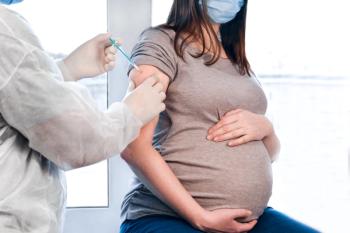
A new survey shows widespread uncertainty about which vaccines the CDC recommends during pregnancy, underscoring the counseling role pharmacists play.
Vaccine guidance in the US is undergoing a dramatic change, leaving pharmacists uncertain about coverage, authority, and flu-season timing.

Researchers assess the impact of various pneumococcal conjugate vaccines since the introduction of immunization programming.

A new sibling-matched cohort study challenges earlier observational data, offering pharmacists evidence-based reassurance to share with pregnant patients.

AAP challenges HHS as ACIP stalls, leaving pharmacists and health care in limbo on vaccine coverage and respiratory recommendations.

Retracted vaccine-autism study exposes statistical flaws, reigniting hepatitis B birth-dose debate and highlighting why pharmacists must rely on evidence-based data.

This decision marks a milestone in clinical pharmacy as it targets the underlying autoimmune destruction of pancreatic beta cells.
This schedule arrives at a time of unprecedented friction between leading medical societies and federal health agencies.
Alongside malnutrition instances and measles cases, researchers review pneumonia disease burden and immune vulnerability across high-risk pediatric groups.

The executive order calls to realign core childhood vaccine recommendations with scientific evidence and best practices of peer, developed nations.

This regulatory milestone establishes inhaled insulin as the first and only noninjectable mealtime insulin option for children and adolescents.

New FDA label lets linaclotide treat functional constipation in children 2 to 5, with dosing tips, mixing options, and key safety warnings.
Advertisement
Advertisement