



Cardiology
Latest News
Advertisement
Latest Videos


Shorts
CME Content


































Advertisement
More News
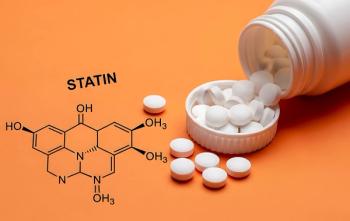
For patients living with ASCVD, researchers find the optimal approach for ensuring medication adherence within patients’ statin regimens.
Data show adults who received the recombinant shingles vaccine had a lower cardiovascular burden than those who received the discontinued live vaccine.
With previous approvals for weight loss and sleep apnea, tirzepatide is opening doors to a healthier well-being for patients living with type 2 diabetes.

A study found that community pharmacists are viewed as medication dispensers, with gaps in awareness screening, counseling, and other prevention services.
A study found that patients who sustained high adherence to glucose-lowering medication had a lower rate of major cardiovascular events over 10 years.
The expanded approval adds a self-administered autoinjector option and new label language tying LDL-C lowering to reduced cardiovascular risk.

New intranasal etripamil lets adults self-treat sudden paroxysmal supraventricular tachycardia episodes.
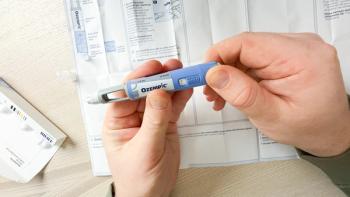
Data show possible but insignificant reduction in hypertensive disorders of pregnancy after periconceptional or first-trimester GLP-1 exposure.
Episode 13 assesses the evolution of MASH, how it’s managed by pharmacists, and how it provides another avenue for improving cardiometabolic disease.

Community pharmacists use medication therapy management and point-of-care testing for improved hemoglobin A1C, BP, and lipid assessment as well as adherence.

The autoinjector cuts administration to under 10 seconds, offering patients an at-home option for fluid overload in heart failure and chronic kidney disease.
Lipfendra (enlicitide) showed placebo-adjusted low-density lipoprotein cholesterol reductions of more than 50% in 2 phase 3 trials.

New analyses from the MAESTRO program and real-world studies bolster the evidence base for the metabolic dysfunction-associated steatohepatitis therapy.

Researchers explore a variety of clinical services in addressing atrial fibrillation, cardiovascular risk, and social determinants of health.

A drug already used to protect the kidneys may now offer a broader shield.

Pharmacists help spot nonresponders, navigate accurate testing, and speed diagnosis.

Pharmacists close these gaps through screening and prevention for patients.
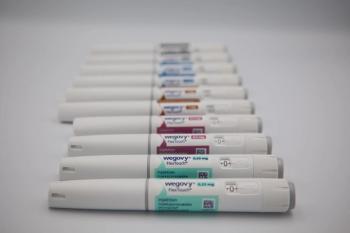
Based on data from the ADA’s 2026 Scientific Sessions, glucagon-like peptide-1s are continuing to revolutionize the cardiometabolic disease landscape.

Once-weekly mazdutide drives approximately 17% weight loss in Chinese adults with obesity, offering a dual GLP-1/glucagon metabolic option.
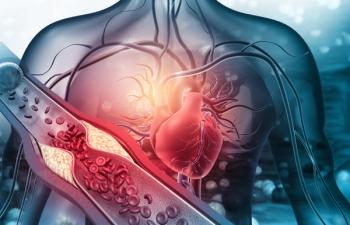
American College of Cardiology's new postpartum cardiovascular disease pathway urges early follow-up and tighter blood pressure goals.
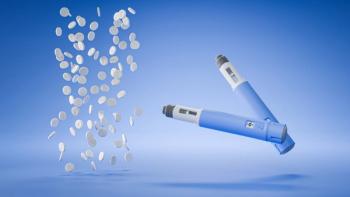
Real-world data show GLP-1 drugs in type 1 diabetes cut heart and kidney risks, support weight loss, and appear safe with insulin adjustments.

FDA approves Baxfendy, a new oral aldosterone blocker, to help hard-to-control hypertension.
Episode 10 explores recent guideline changes in clinicians’ management of dyslipidemia, highlighting much more than a few updated recommendations.

Through the lens of changes in medication adherence, researchers assessed differences in CVD-related emergency department visits and total cost of care.
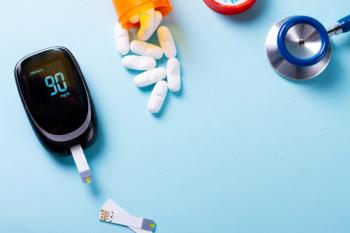
Non-high-density lipoprotein cholesterol matters in type 2 diabetes care and can be managed with statins, combination therapy, and omega‑3s.
Advertisement
Advertisement
Trending on Drug Topics
1
Normal vs. Concerning COVID-19 Vaccine Reactions: A Pharmacist's Guide
2
What Is HIV PrEP and Who Needs It Most?
3
RSV Vaccine Coadministration Lowered Antibodies Despite Efficacy
4
Validating Fear Before Facts: A Framework for COVID-19 Hesitancy
5