

Pharmacists’ word choices shape insulin-pump trust, reduce diabetes stigma, and uncover hidden needs—boosting adherence and A1C outcomes.
Ashley Gallagher is an assistant managing editor at Drug Topics®. She graduated in 2020 in journalism and mass communications and received her master’s degree in 2025 in digital journalism from St. Bonaventure University. Previously, she worked as a pharmacy technician for a retail chain.
Pharmacists’ word choices shape insulin-pump trust, reduce diabetes stigma, and uncover hidden needs—boosting adherence and A1C outcomes.

Previously, bimagrumab monotherapy in adults with type 2 diabetes led to a 20.5% reduction in total body fat mass and a 0.76 percentage point decrease in hemoglobin A1c.

Harps pharmacists reveal how smart workflow powers point‑of‑care testing, prescribing, and billing—scalable clinical services for regional chains.

The FDA approves Sotyktu, the first selective TYK2 oral pill for active psoriatic arthritis, improving joints and skin with key safety monitoring.

GLP-1 diabetes drugs show promise in cutting addiction risk and overdose deaths, hinting at new options for substance use disorder prevention and care.

Once weekly petrelintide, a long-acting amylin analog, delivers up to 10.7% weight loss with placebo-like gastrointestinal tolerability in phase 2.
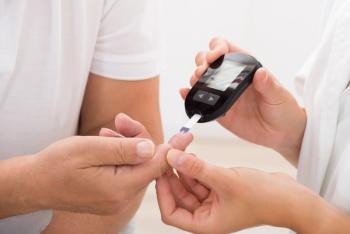
In older adults with type 2 diabetes, low body mass index signals higher mortality risk.

Precision nutrition reshapes type 2 diabetes prevention, using genes, epigenetics, and microbiome insights to tailor diets that improve glycemic control.

Weekday sleep near 7 hours optimizes insulin sensitivity, and too little or too much could harm metabolism.

Phase 3 data show subcutaneous risankizumab boosts remission and endoscopic healing in moderate-to-severe Crohn cases, with familiar safety and easier dosing.

FDA targets telehealth ads for compounded glucagon-like peptide-1s, warning of misleading claims, hidden sources, and safety risks amid social media hype.
FDA expands lomitapide use to children 2 years and older, highlighting major low-density lipoprotein reductions.

Modeling shows PCV20 in pediatric patients prevents millions of pneumococcal cases and saves billions, reshaping vaccination choices for pharmacists and parents.

A large study links an early A1c under 6.5% to fewer eye and nerve complications, urging pharmacists to intensify control and monitor retinopathy.

The FDA expands the drug's usage to treat idiopathic short stature, small for gestational age, and growth failure associated with Noonan syndrome.

Pharmacists can close the gap between recommendations and uptake for pregnant women.
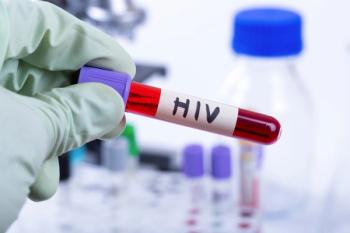
Phase 3 trials show once-daily bictegravir/lenacapavir keeps HIV suppressed after switching regimens, with strong safety and better satisfaction for complex-treatment patients.

Orforglipron beats oral semaglutide in A1C and weight loss in a head-to-head study for type 2 diabetes.

Long-term care pharmacists shift to safety-first care by deprescribing anticholinergics, using dysphagia-friendly forms, and raising vaccination rates.

Three-year QUASAR data show guselkumab keeps most ulcerative colitis patients in remission, with strong healing rates and no new safety issues.

Novo Nordisk’s CagriSema drives 23% weight loss in REDEFINE 4 but misses noninferiority compared with tirzepatide, shaping the next wave of obesity drugs.

The FDA approves Bysanti (milsaperidone) for schizophrenia and bipolar I disorder, leveraging iloperidone bioequivalence, with key metabolic monitoring needs.

New data links glucagon-like peptide-1s to fewer aneurysm ruptures and lower death risk, guiding pharmacists on safer stroke prevention.

Pharmacists lead safer postsurgical pain care, using multimodal nonopioid options and tight opioid stewardship from pre-operation through home.

Pharmacists help explain the complex evidence, address fears around injections and cost, and help patients integrate lifestyle changes alongside pharmacologic therapy for diabetes care.

Community pharmacists strengthen disaster response by coordinating vaccines, bridging care gaps, and securing lifesaving meds under pressure.

Pharmacies expand care with vaccines and birth control services—learn scope, billing tips, and tools to win younger, convenience-driven patients.

Pharmacists help turn Food Is Medicine into covered care, linking heart patients to tailored meals, produce prescriptions, and easier chronic disease prevention.

Duvakitug TL1A antibody sustains remission and endoscopic response for 44 weeks in ulcerative colitis and Crohn disease, supporting phase 3 momentum.

The FDA approves pitolisant for pediatric cataplexy, offering a rare noncontrolled narcolepsy option with real-world safety data and key interaction tips.