



Diabetes
Latest News
Advertisement
Latest Videos




Shorts
1:01
Why MASH is the New Metabolic Priority
6 days ago
by
Brian Nowosielski(+1 more)

1:21
Over the Counter Recap: Medicare GLP-1 Bridge Program
2 months ago
by
Brian Nowosielski
0:38
The Massive Opportunity for Pharmacists in Diabetes Care
3 months ago
by
Brian Nowosielski(+1 more)
0:39
A Personal Look at Why Pharmacy Care Matters
3 months ago
by
Brian Nowosielski(+1 more)
0:36
Why Pharmacists Should Be a Standard of Care in Diabetes
3 months ago
by
Brian Nowosielski(+1 more)
0:58
The Shocking Reality of Diabetes Misdiagnosis
4 months ago
by
Brian Nowosielski(+1 more)
0:57
Is a Cure for Type 1 Diabetes on the Horizon?
4 months ago
by
Brian Nowosielski(+1 more)
0:28
Why Pharmacists Are the Secret to Better Health Care
4 months ago
by
Brian Nowosielski(+1 more)

0:59
Over the Counter Recap: GLP-1 Compounding
6 months ago
by
Brian Nowosielski

0:56
Why GLP-1s Help Hormones, Not Willpower
6 months ago
by
Ashley Gallagher, MA(+1 more)
CME Content


























Advertisement
More News
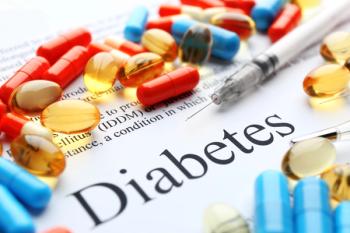
A study found that patients who sustained high adherence to glucose-lowering medication had a lower rate of major cardiovascular events over 10 years.
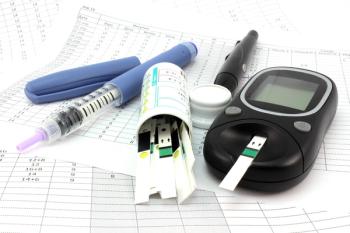
New data show illness perception and functional capacity influence each other in older adults with COPD and diabetes after hospital discharge.

Data show that TyG-WC, an index combining insulin resistance and central adiposity, is the only surrogate marker independently linked to osteoporosis.

Researchers assess the effects of pharmacist support in enhancing GLP-1 access in a primary care setting.
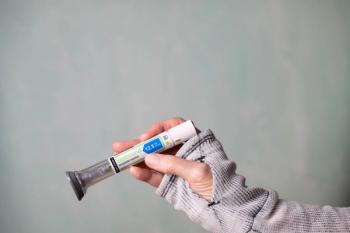
From their originally intended purposes to the growing indications showing promise in development, GLP-1 and GIP receptor agonists have evolved rapidly.

Episode 13 assesses the evolution of MASH, how it’s managed by pharmacists, and how it provides another avenue for improving cardiometabolic disease.
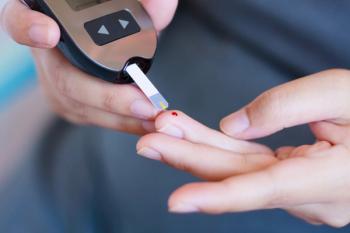
A study finds treated diabetes prevalence climbs steadily for 5 years after antipsychotic start, even with brief exposure.

Community pharmacists use medication therapy management and point-of-care testing for improved hemoglobin A1C, BP, and lipid assessment as well as adherence.
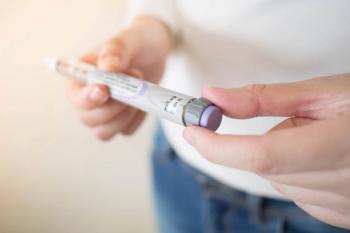
The rapid-acting insulin aspart biosimilar adds a third interchangeable option to NovoLog, with implications for pharmacy dispensing and counseling.
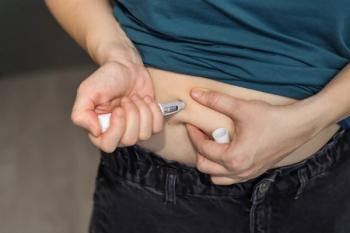
Large trial emulation study finds a 21% reduction in 3-year fracture risk compared with DPP-4 inhibitors, independent of weight loss or glycemic changes.

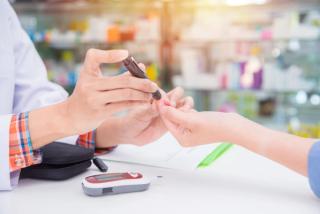
Managing diabetes has shifted from reactive monitoring to a proactive, technology-driven standard of care that emphasizes real-time data and personalized treatment.

Positive results from TRIUMPH-2 and TRIUMPH-3 bring retatrutide's obesity program to 5 successful trials, with Lilly planning to submit in early 2027.
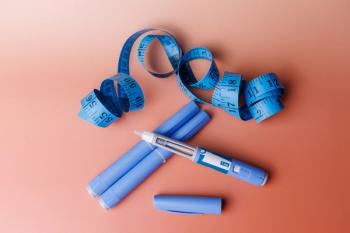
A secret shopper study finds most are still compounding semaglutide and tirzepatide with additives, often through suppliers lacking sterile compounding licenses.
Emerging data show glucagon-like peptide-1 receptor agonists may raise the risk of certain autoimmune diseases compared with other diabetes drugs.

A new analysis shows that socioeconomic status shrinks type 2 diabetes risk far more for nonHispanic white and Asian Americans than for nonHispanic Black and Hispanic Americans.

New case-control study finds that patients with type 2 diabetes and more severe depressive symptoms show higher cortisol, higher hemoglobin A1C, and lower insulin.
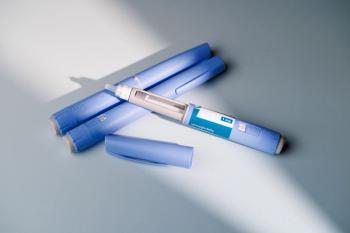
Data show bone density and lean mass losses can be clinically meaningful, but case reports point to resistance training as effective countermeasures.
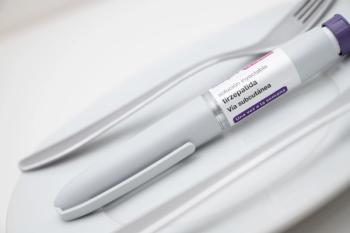
The filing acceptance marks a step toward lower-cost alternatives to Mounjaro and Zepbound.
Episode 12 explores recent updates from the 2026 ADA Scientific Sessions, highlighting for pharmacists which technologies are making waves in the diabetes space right now.

Bryan Wheeler, PharmD, discusses how the Medicare GLP-1 Bridge program works and what it means for independent pharmacy operations.
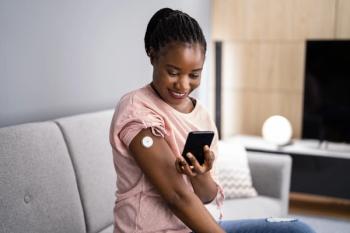
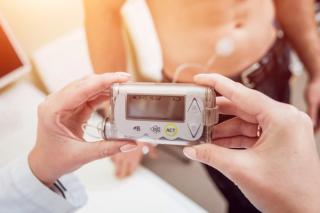
Pharmacists leverage CGM and automated insulin delivery to personalize diabetes care, prevent errors, and expand equitable access to technology.

A drug already used to protect the kidneys may now offer a broader shield.
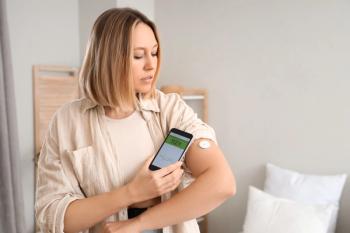
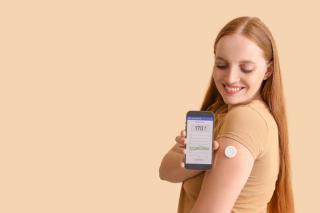
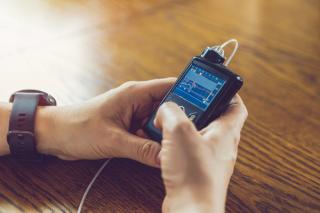
Diabetes technology shifts to continuous glucose monitoring, automated insulin delivery, and connected pens, empowering pharmacists to guide safer care.

The ACTIV-6 trial suggests early metformin may halve clinician-diagnosed long COVID risk, offering a low-cost option pharmacists can apply safely.
This decision marks a milestone in clinical pharmacy as it targets the underlying autoimmune destruction of pancreatic beta cells.
Advertisement
Advertisement
Trending on Drug Topics
1
Recombinant Shingles Vaccine May Lower Cardiovascular Risk
2
Updated Guideline Refines Approach to Migraine Prevention in Adults
3
Pharmacy Leaders Set Priorities for Global Primary Care Integration
4
Digital Outreach Improves Statin Adherence in High-Risk Patients
5