


News|Articles|July 30, 2026
Study Links GLP-1s to Lower Fragility Fractures in Adults With Diabetes
Author(s)Ashley Gallagher, MA
Listen
0:00 / 0:00
Key Takeaways
- A TriNetX-based emulation (66,803 matched pairs) showed GLP-1 initiation reduced 3-year fragility fractures versus DPP-4i (HR 0.79), with ARR 0.79% and NNT 126.
- Temporal dynamics showed maximal benefit early (year 1 HR 0.72; year 2 HR 0.77) with attenuation by year 3 (HR 0.94), motivating longer-term bone surveillance.
Large trial emulation study finds a 21% reduction in 3-year fracture risk compared with DPP-4 inhibitors, independent of weight loss or glycemic changes.
Advertisement
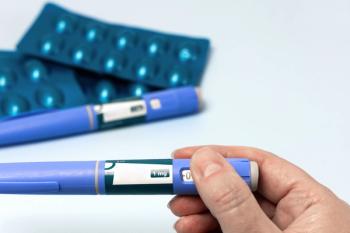
Adults with type 2 diabetes (T2D) who started a glucagon-like peptide-1 (GLP-1) had a significantly lower risk of fragility fracture over 3 years compared with those who started a dipeptidyl peptidase-4 inhibitor (DPP-4i), according to a target trial emulation study published in JAMA Network Open.1
The research, which drew on electronic health record data from more than 133,000 matched patients, found that the protective association held even after accounting for changes in body mass index (BMI) and hemoglobin A1C (HbA1C), suggesting a possible direct skeletal effect of GLP-1 therapy that goes beyond weight loss or improved glycemic control.1
The findings arrive as GLP-1s continue to expand well beyond diabetes management into obesity treatment, cardiometabolic risk reduction, and chronic kidney disease care. According to the study, 26.5% of adults with T2D reported having used a GLP-1 as of the 2024 National Health Interview Survey. That growth has intensified scrutiny of how these drugs affect the skeleton, particularly since rapid or substantial weight loss is independently associated with increased fracture risk.1
Study Design and Key Findings
Researchers used the TriNetX Research Network, a federated database of deidentified US electronic health records, to identify adults aged 50 to 90 years with T2D who newly initiated either a GLP-1 or a DPP-4i between January 1, 2015, and December 31, 2022. DPP-4s served as the active comparator because they represent a clinically comparable second-line therapy. After propensity score matching, the analysis included 66,803 matched pairs, or 133,606 total patients, with well-balanced baseline characteristics between groups.1
Over 3 years of follow-up, fragility fractures occurred in 2030 GLP-1 initiators compared with 2484 DPP-4i initiators. GLP-1 initiation was associated with a hazard ratio (HR) of 0.79 (95% CI, 0.76-0.83) for fragility fracture, corresponding to an absolute risk reduction of 0.79% (95% CI, 0.60%-0.99%) and a number needed to treat of 126 (95% CI, 101-168). The risk reduction was strongest in year 1 (HR, 0.72 [95% CI, 0.67-0.78]) and year 2 (HR, 0.77 [95% CI, 0.71-0.83]), but it attenuated by year 3 (HR, 0.94 [95% CI, 0.86-1.02]).1
Protection varied by fracture site. The largest risk reductions were seen for vertebral fractures (HR, 0.68 [95% CI, 0.63-0.73]), hip or femur fractures (HR, 0.70 [95% CI, 0.63-0.79]), and rib fractures (HR, 0.83 [95% CI, 0.77-0.91]), and no significant associations emerged for distal radius or ulna fractures (HR, 1.03 [95% CI, 0.90-1.18]) or proximal humerus fractures (HR, 0.93 [95% CI, 0.82-1.06]).1
Notably, the protective association was specific to patients with T2D. In a sensitivity analysis stratified by diabetes status, GLP-1 use was associated with lower fracture risk among those with T2D (HR, 0.91 [95% CI, 0.88-0.95]) but with increased fracture risk among those without T2D (HR, 1.13 [95% CI, 1.04-1.23]; interaction P < .001).1
The study authors noted this suggests the finding may not generalize to younger individuals or those using GLP-1s solely for weight management, and that patients with established osteoporosis were excluded from the analysis, so results should not be extrapolated to that population.1
Weight Loss Was a Risk Factor Not Explanation
A central finding of the mediation analysis was that GLP-1-associated fracture protection did not appear to be explained by weight loss or glycemic improvement. In fact, cumulative BMI loss was independently associated with increased fracture risk (HR, 1.02 [95% CI, 1.01-1.02]), and cumulative HbA1c reduction was associated with a modest decrease in risk (HR, 0.99 [95% CI, 0.98-0.99]). The combined indirect pathway through these mediators produced a small net increase in fracture risk, and the direct association between GLP-1 RA use and lower fracture risk persisted (HR, 0.81 [95% CI, 0.76-0.86]).1
The study authors wrote that this pattern is "consistent with a potential direct skeletal effect of GLP-1 RA therapy" and pointed to preclinical evidence suggesting GLP-1s may promote osteogenic differentiation, inhibit osteoclasts, and signal directly through receptors on bone-forming cells. They cautioned, however, that the study cannot establish causality and that unmeasured factors such as physical activity, fall risk, or balance could also play a role.1
The current American Diabetes Association standards of care describe GLP-1 as having a neutral effect on bone mineral density (BMD), but the study authors suggested "this assumption may warrant reevaluation." They also noted that the fading protection by year 3 "underscores the need for continued monitoring of bone health and longer-term studies” and recommended that baseline bone density assessment and monitoring during treatment may be warranted given the association between weight loss and increased fracture risk.1
The Role of the Pharmacist
For pharmacists counseling patients on GLP-1 therapy, the JAMA findings add a layer of nuance to an
That same review found fracture incidence was significantly higher among patients with diabetes than those without (20.5% vs 7.0%; P = .0014), and 75% of patients in the cohort already had osteopenia or osteoporosis at baseline.2
A 20-week pilot randomized trial in older adults produced a more reassuring signal, finding no significant between-group differences in whole-body BMD despite meaningful weight loss with semaglutide, though the authors noted the weight loss achieved was modest compared with larger trials. Taken together, the emerging evidence suggests the degree of weight loss, rather than GLP-1 therapy alone, may be the more important driver of skeletal risk.2
Muscle loss is a related concern. A systematic review and network meta-analysis found that approximately 25% of total weight lost with GLP-1 and dual GIP/GLP-1 receptor agonists consisted of lean mass, with tirzepatide and semaglutide the least effective at preserving lean tissue. A case series of 3 patients who combined GLP-1 therapy with structured resistance training and higher protein intake showed that lean mass loss can be substantially mitigated, and in 2 of the 3 cases, patients gained lean soft tissue despite significant fat loss.2
Counseling Points for Long-Term Success
Pharmacists are well positioned to reinforce the behavioral strategies that appear to support both bone and muscle health during GLP-1 therapy. Recommended approaches include protein intake greater than 1.2 g/kg/day evenly distributed across meals, combined with aerobic activity and structured resistance training. Another study found that older adults in the highest quintile of protein intake lost nearly 40% less lean mass than those in the lowest quintile.2
Separately, qualitative research in JAMA Network Open found that
Patients in that study reported reduced food noise, or intrusive thoughts about eating, but still needed to actively shop, plan, and cook differently to sustain meaningful results. The STEP 3 trial, which paired GLP-1 therapy with intensive dietitian-led behavioral support, produced an average weight loss of 16%, exceeding results typically seen with medication alone.3
Pharmacists can also help patients manage gastrointestinal tolerability, a leading cause of treatment discontinuation, through smaller and more frequent meals, adequate fiber and fluid intake, and gradual dose titration. Given that patients may regain up to two-thirds of lost weight within a year of stopping therapy without sustainable lifestyle habits in place, ongoing counseling on nutrition, physical activity, and injection technique remains central to supporting long-term outcomes.2,3
REFERENCES
1. Hamad CD, Wiener J, Golzar A, et al. Glucagon-Like Peptide-1 Receptor Agonists and Fragility Fracture Risk in Type 2 Diabetes. JAMA Netw Open. 2026;9(7):e2625141. doi:10.1001/jamanetworkopen.2026.25141
2. Gallagher A. How GLP-1 Therapies Could Impact Bone Density, Muscle Loss. Drug Topics. July 6, 2026. Accessed July 28, 2026. https://www.drugtopics.com/view/how-glp-1-therapies-could-impact-bone-density-muscle-loss
3. Nowosielski B. Holistic Lifestyle Changes Crucial for Effective GLP-1 Therapy. Drug Topics. July 14, 2026. Accessed July 28, 2026. https://www.drugtopics.com/view/holistic-lifestyle-changes-crucial-for-effective-glp-1-therapy
Advertisement
Related Content
Advertisement



Latest CME






























Advertisement
Advertisement
Trending on Drug Topics
1
Long-Term Adverse Effects After COVID-19 Vaccination Vary by Brand
2
Individualized Approach Helps When Intensifying GLP-1 Therapy in T2D
3
Model Finds Weight Regain After Stopping Semaglutide or Tirzepatide
4
Meta-Analysis Identifies 5 Risk Factors for Post-COVID-19 Condition
5