Pharmacists Are at the Forefront of Technology in Diabetes Care
Key Takeaways
- Continuous glucose monitoring is becoming foundational across diabetes populations, with evidence for A1C reduction and time-in-range gains even in type 2 diabetes not using insulin.
- Pharmacists translate CGM data into actionable therapy changes by focusing on patterns, TIR (70–180 mg/dL), variability, and time-below-range, while discouraging reaction to single readings.
Diabetes technology shifts to continuous glucose monitoring, automated insulin delivery, and connected pens, empowering pharmacists to guide safer care.
The landscape of diabetes management is undergoing a profound transformation, moving away from isolated fingerstick readings toward a world of continuous data and automated therapy. Although diabetes technology has historically been divided into insulin administration and glucose measurement, the field now encompasses a complex ecosystem of hardware and software, including continuous glucose monitors (CGMs), automated insulin delivery (AID) systems, and connected insulin pens.1

This rapid evolution turned devices that were once reserved for a small subset of patients into essential tools for a much broader population, including those with type 2 diabetes who do not use insulin.
“Pharmacists play a key role in translating diabetes care into the day-to-day decisions patients make, [including] how to take medications, how to adjust insulin safely, how to recognize hypoglycemia and hyperglycemia, and how to connect glucose patterns with food, activity, illness, and medication adherence,” Hailey Choi, PharmD, BCACP, CDCES, associate professor of pharmacy practice at the Massachusetts College of Pharmacy and Health Sciences, said. “Technology can simplify this role because CGM and connected devices give us much richer information than A1C alone.”
The Role of the Pharmacist in Diabetes Care
For the modern pharmacist, this shift represents both an opportunity and a challenge in patient care. Jennifer Goldman, PharmD, CDCES, BC-ADM, FCCP, professor of pharmacy practice at the Massachusetts College of Pharmacy and Health Sciences, observes that pharmacists are often the most accessible health care professionals for people living with diabetes, placing them in a unique position to optimize medications and support adherence.
“Diabetes technology can simplify this role because it gives us more actionable information than A1C alone. CGM data helps us identify patterns that may otherwise be missed, including postprandial hyperglycemia, overnight hypoglycemia, missed doses, medication timing issues, and glucose variability,” Goldman said.
However, the role is increasingly defined by the need to navigate the complexities of this technology, from initial device selection and insurance coverage to troubleshooting app setups and managing alarm fatigue.
Choi explains that pharmacists play a role in translating clinical care into the daily decisions patients must make, such as adjusting insulin safely and connecting glucose patterns with diet and activity. Although the wealth of data provided by these devices can simplify the pharmacist's role by providing a richer clinical picture than A1C alone, the speed at which devices change requires constant professional education.
“Technology can also create additional complexity because pharmacists need to understand device selection, insurance coverage, app setup, data sharing, interpretation, skin reactions, alarm fatigue, and when CGM values require confirmation with a blood glucose meter,” Goldman added. “CGM does not treat diabetes by itself, but it makes invisible glucose patterns visible, and visibility often changes behavior. It gives us the full picture to make meaningful changes. Technology is powerful, but only when patients and clinicians know how to use the data safely and effectively.”
CGMs for Continuous Data
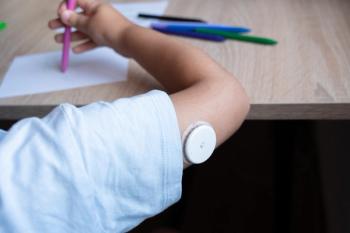
The backbone of this technological revolution is the CGM, which provides real-time glucose readings and trend insights that were previously invisible. Choi suggests that she can hardly imagine managing diabetes today without the wealth of data provided by CGMs, noting that the technology is being recommended much earlier in the disease process, often at the time of diagnosis.
“I sometimes think back to when we were adjusting insulin doses based on a handful of fingerstick readings and wonder how we did it without the wealth of data we now have available through CGM. CGM is now being recommended much earlier and more broadly, including at the time of diagnosis and for many patients beyond those with type 1 diabetes or those using insulin,” Choi said. “This shift allows patients and clinicians to identify glucose patterns earlier, make more informed treatment decisions, and engage patients more effectively in their own care.”
Further, the American Diabetes Association (ADA) 2026 Standards of Care emphasize that these devices should be offered to people with diabetes and that training must include the utilization of data for therapy adjustments. The market is also expanding into OTC CGMs, which lack alarms and are designed for those not at risk of hypoglycemia, potentially allowing even those without diabetes to monitor their lifestyle responses.1
Goldman added that technology is moving beyond specialty practices and moving into primary care. In the GluCoCare study, CGMs showed successful implementation in routine primary care and allowed pharmacists to interpret data to best optimize therapy. Data from FreeStyle Libre studies also showed that CGMs can help patients achieve glycemic targets rapidly, even for those not using insulin.
“At ADA 2026 in New Orleans, [Louisiana], one of the most important themes was the expansion of continuous glucose monitoring into broader populations, particularly people with type 2 diabetes who are not using insulin,” Goldman added. “The CONNECT trial provided additional strong evidence that CGM can significantly improve glycemic outcomes in this population, demonstrating meaningful reductions in A1C and substantial improvements in time in range.”
AID Systems and Other Recent Advancements
As glucose monitoring becomes more advanced, so too does insulin delivery through AID systems and smart insulin pens. AID systems, often referred to as closed-loop systems, integrate CGM data with an insulin pump and an algorithm to automatically modulate insulin delivery, which reduces the burden on the patient.1
“AID systems are also becoming the preferred insulin delivery method for many patients requiring intensive insulin therapy. Another major advancement is the integration of devices and digital platforms,” Choi said. “CGMs, insulin pumps, smartphone apps, algorithms, and connected insulin pens are transforming diabetes care from isolated glucose checks and reactive decision-making to continuous monitoring and proactive, data-driven management.”
Goldman added that AID systems are becoming more sophisticated and user-friendly.
“New data presented at ADA highlighted advances in systems such as Twiist and next-generation Omnipod algorithms, which continue to improve time in range while reducing hypoglycemia burden,” she said.
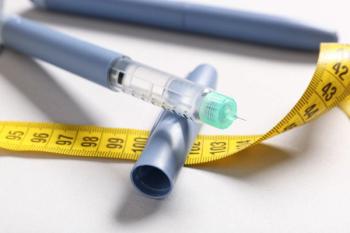
For patients who prefer multiple daily injections, smart insulin pens offer a more affordable, reusable alternative that tracks doses and provides helpful reminders and reports.1
“We continue to see advances in connected insulin pens, smartphone integration, remote patient monitoring, and the use of artificial intelligence to help clinicians and patients identify actionable glucose patterns,” Goldman said. “The future of diabetes technology is not simply collecting more data. It's using that data to drive better therapeutic decisions, improve patient engagement, and enhance outcomes.”
Using Data and Counseling for Diabetes Care
The shift in technology has also fundamentally changed the metrics pharmacists use to evaluate success, moving the focus from the 3-month A1C average to more dynamic indicators like time in range (TIR). Goldman defines the standard TIR as 70 to 180 mg/dL for most nonpregnant adults, with a common goal of staying within this range more than 70% of the time.
“My counseling approach is to help patients avoid ‘chasing numbers.’ I encourage them to look for patterns over several days rather than reacting to individual readings,” she said. “We discuss how meals, physical activity, medication timing, illness, sleep, stress, corticosteroids, and missed doses influence glucose levels.”
Goldman added that she discusses time below range, as hypoglycemia is the most important safety concern; time above range after meals and overnight; and glucose management indicators so patients understand how CGM-estimated glycemia compares with A1C. Further, glucose variability is identified to track stable glucose control, and ambulatory glucose profile is identified to track patterns over time instead of individual glucose readings.
Choi emphasizes the importance of using this data to look for patterns, such as consistent highs after dinner or drops overnight, rather than judging a patient for individual numbers.
“For patients, I usually explain that we are not looking for perfection. We are looking for patterns,” Choi said. “This makes the conversation less judgmental and more actionable. I also counsel patients not to overreact to every single number. CGM has a lag time, and readings can be less accurate when glucose is changing quickly.”
She added that if symptoms don’t match the reading on a CGM, then the patient should confirm with a fingerstick.
Despite these advancements, pharmacists must guide patients through various technical hurdles and safety considerations. Accuracy remains a concern, and the ADA mandates that patients using CGMs must still have access to blood glucose meters for confirmation when readings are discordant with symptoms or when glucose levels are changing rapidly.1
Pharmacists must also be aware of interfering substances that can cause falsely elevated readings, such as acetaminophen, high-dose vitamin C, and hydroxyurea. Additionally, skin reactions like contact dermatitis are common with wearable devices, requiring pharmacists to be proactive in assessing and addressing adhesive allergies.1
To remain competent, both Choi and Goldman recommend that pharmacists pursue specialized certifications like the Certified Diabetes Care and Education Specialist and engage in hands-on manufacturer training to master the entire technology ecosystem.
“I would also recommend manufacturer trainings for CGM and pump systems, ADA resources, the PANTHER Program, and DiabetesWise for device comparisons and practical counseling,” Choi said. “Most importantly, competency requires repetition. Pharmacists should practice downloading and interpreting CGM reports, reviewing ambulatory glucose profiles, counseling on sensor placement and how to use the device, and understanding which CGMs are compatible with which AID systems.”
Conclusion
Looking toward the future, the next major shift in diabetes technology is expected to be continuous ketone monitoring, specifically for the prevention of diabetic ketoacidosis (DKA). Goldman notes that ADA 2026 featured multiple sessions on the development of dual-analyte sensors capable of monitoring both glucose and ketones.
“We are beginning to see development of dual-analyte sensors that can monitor both glucose and ketones, potentially allowing earlier identification of ketosis and reducing the risk of DKA, particularly for people with type 1 diabetes, automated insulin delivery users, and those taking [sodium-glucose cotransporter 2] inhibitors,” Goldman said.
She added the ketone testing has historically been reactive, meaning that patients typically check ketones when they have symptoms or suspect DKA. However, with emerging technology, it is leading to a more proactive approach.
“This technology could be particularly important for people with type 1 diabetes, users of automated insulin delivery systems, and patients taking SGLT2 inhibitors, where early recognition of ketosis can be critical,” she added. “Pharmacists will need to understand not only how to interpret ketone data but also how to educate patients on when to act and how to prevent progression to DKA.”
Choi added that the next major shift will likely be the broader use of technology.
“Pharmacists should start becoming comfortable not only with CGM interpretation, but also with how algorithms work, what the system can and cannot do, how to troubleshoot pump or sensor failures, and how to counsel patients on realistic expectations,” Choi said.
Further, she said that pharmacists need to prepare for more OTC CGM use. With some of the indications for OTC CGMs, patients without insulin therapy and those without diabetes might start coming into the pharmacy to ask questions about CGM use and data.
“Patients without insulin therapy, and even patients without diabetes, may start coming to pharmacists with CGM data and questions. We need to be ready to help interpret that information appropriately and prevent unnecessary anxiety or over-treatment,” Choi concluded.