A claims analysis of 2031 patients aged 10 to 17 years found that nutrition counseling was infrequent and often began months after treatment started.
The filing acceptance marks a step toward lower-cost alternatives to Mounjaro and Zepbound.
The FDA has agreed to review 2 abbreviated new drug applications filed by Sandoz, the Swiss-based generics manufacturer, for generic versions of tirzepatide—the active ingredient in Eli Lilly's Mounjaro and Zepbound. Announced June 29, 2026, the filing acceptance signals the opening of what is likely to be an intensely competitive generic glucagon-like peptide-1 market, with Sandoz positioning itself as a first mover when exclusivity protections eventually erode.1
The FDA has not confirmed a final review timeline. The agency's standard process allows up to 10 months to reach a decision on whether standard drug applications meet safety and quality thresholds after submission.1
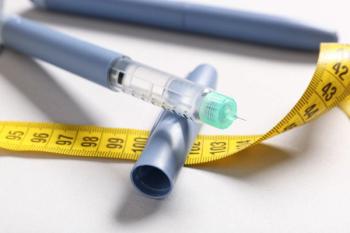
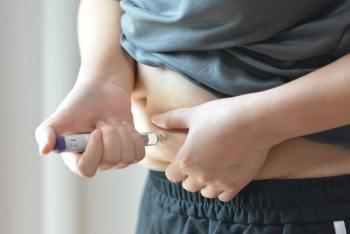
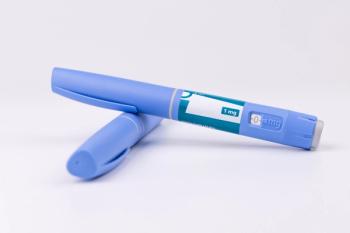
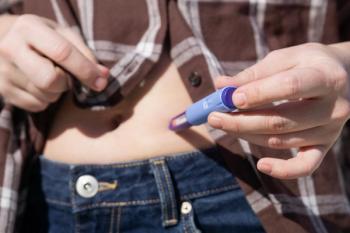
Tirzepatide is a glucose-dependent insulinotropic polypeptide (GIP) receptor and GLP-1 receptor agonist administered via weekly subcutaneous injection. It is currently approved under the brand names Mounjaro, Zepbound, and Zepbound KwikPen to treat type 2 diabetes in combination with diet and exercise; to support chronic weight management in patients with obesity or overweight with at least 1 weight-related comorbidity; and to treat moderate to severe obstructive sleep apnea in patients with obesity.2
Sandoz's proposed generic formulations are intended to cover these same indications. The company developed the products entirely in-house, drawing on cross-disciplinary capabilities in small-molecule chemistry, drug delivery device engineering, and biosimilar development—a combination it describes as central to producing an autoinjector-based generic capable of rivaling the branded Mounjaro and Zepbound delivery systems.1
Eli Lilly's core tirzepatide patents are not expected to expire in the United States until 2036, meaning any approved Sandoz product would likely enter the market through patent challenge litigation or wait until the patents expire.
The demand for tirzepatide and other incretin-based therapies has consistently outpaced supply since their introduction. Overweight and obesity affect more than 70% of adults 20 years and older in the United States, at a cost to the health care system of nearly $173 billion annually.3 Clinical guidelines recommend initiating antiobesity medications (AOM) for patients with a body mass index (BMI) of 30 kg/m² or higher, or for those with a BMI of 27 kg/m² or higher plus at least one weight-related condition, alongside lifestyle modifications.3
Supply chain disruptions and high brand-name costs have historically limited access to tirzepatide and related agents. The Endocrine and Metabolism Practice and Research Network of the American College of Clinical Pharmacy, in a 2025 opinion paper published in JACCP, noted that generic competition for tirzepatide and semaglutide is anticipated within the next decade and is expected to drive broader access and potentially lower costs.3 The Sandoz ANDA filing, if successful, would accelerate that timeline.
Coverage expansion carries its own financial implications. Congressional Budget Office modeling cited in the paper projected that broader federal reimbursement of AOMs could increase Medicare spending by $24.8 to $35.5 billion over a 10-year period, with Medicaid costs rising an additional $14.8 billion over the same window.3
For pharmacists who will counsel patients on tirzepatide—branded or generic—the authors of the paper underscore several clinical considerations that warrant proactive communication.
Tirzepatide delays gastric emptying, which may slow the absorption of oral medications taken concomitantly. This interaction is documented in the tirzepatide prescribing information and carries specific implications for patients using oral contraceptives. The GIP/GLP-1 receptor agonist can reduce oral contraceptive effectiveness and increase the risk of unintended pregnancy. Women taking oral contraceptives should be advised to transition to a nonoral contraceptive method or add a backup barrier method for 4 weeks after initiating tirzepatide and for 4 weeks following each dose escalation.3
The risk of hypoglycemia with tirzepatide alone is low. However, that risk increases substantially when tirzepatide is coadministered with insulin or insulin secretagogues. Patients with diabetes on combination regimens should receive education on recognizing and managing hypoglycemia.3
An inconclusive but persistent signal associating incretin-based therapies with acute pancreatitis has also been identified in the literature. Although large-scale trials and meta-analyses have not confirmed a definitive causal relationship, health care providers should exercise caution in patients with a history of pancreatitis or known risk factors for the condition.3
Pharmacist-led weight management services have demonstrated measurable clinical benefit. Small studies have found that pharmacist-managed GLP-1 programs were associated with significant reductions in body weight and total health care costs compared with standard care, with high patient satisfaction.3 As tirzepatide's patient population expands with eventual generic availability, pharmacists in primary care, endocrinology, and community settings are well-positioned to fill this role.
Despite the volume of recent trial data supporting incretin-based therapies, the authors noted that few clinical practice guidelines for overweight and obesity management have been updated to incorporate these agents—an evidence gap pharmacists should be prepared to navigate as prescribing of tirzepatide continues to grow.3