A claims analysis of 2031 patients aged 10 to 17 years found that nutrition counseling was infrequent and often began months after treatment started.
Bryan Wheeler, PharmD, discusses how the Medicare GLP-1 Bridge program works and what it means for independent pharmacy operations.
The Medicare GLP-1 Bridge program represents one of the most significant expansions of obesity treatment access in the program's history. Set to launch July 1, 2026, the initiative will allow eligible Medicare beneficiaries to access glucagon-like peptide-1 (GLP-1) weight loss medications—including semaglutide (Wegovy), orforglipron (Foundayo), and tirzepatide (Zepbound KwikPen)—at a fixed $50 copayment, filling a long-standing gap in Part D coverage. Running through December 31, 2027, the Bridge is structured as a test program through which CMS will evaluate whether these therapies should become a permanent Medicare benefit.
For independent pharmacists, the program arrives with both promise and complexity. Unlike standard Part D claims, the Bridge operates outside the conventional benefit and payment flow, requiring pharmacy teams to navigate new billing pathways, prior authorization requirements, and patient counseling demands—all while managing the capital burden of stocking high-cost, temperature-sensitive medications. Bryan Wheeler, PharmD, staff pharmacist at Dickson Medical Pharmacy, White Bluff Pharmacy, and Hilltop Pharmacy, discusses the operational realities, clinical opportunities, and financial risks independent pharmacists should prepare for.
Drug Topics®: What does the Medicare GLP-1 Bridge look like for an independent pharmacist? How will it impact your patients?
Bryan Wheeler, PharmD: The Medicare GLP-1 Bridge (the Bridge) is a test program meant to help eligible Medicare patients get GLP-1 weight loss drugs. Starting July 1, 2026, the [Centers for Medicare & Medicaid Services (CMS)] will use this program to decide if these drugs should be a permanent part of Medicare. The program fundamentally expands options for patients who previously faced significant financial barriers, since weight loss medications were historically excluded from Part D coverage, and Medicare patients are typically ineligible for manufacturer-sponsored savings programs. By providing a structured and predictable cost model, the Bridge creates access to high-cost therapies with a fixed patient copayment of $50. The weight loss medications included in the Bridge program are semaglutide (Wegovy), orforglipron (Foundayo), and tirzepatide (Zepbound).
For independent pharmacists, the Bridge presents both opportunity and operational risk. Pharmacies are eligible for automatic participation, with reimbursement processed through Humana. Payment is structured around the [wholesale acquisition cost (WAC)] plus a dispensing fee, less the $50 patient copayment. This reimbursement model offers a degree of fiscal predictability often absent for the GLP-1s, where [pharmacy benefit manager (PBM)] challenges frequently result in negative margins. However, the high acquisition cost—Wegovy, for instance, exceeds $1300 per box—necessitates significant capital investment in inventory. While the dispensing fee provides only modest coverage for operational costs, the primary professional incentive aligns with the pharmacist's oath: to advance health equity and advocate for enhanced patient care. By facilitating access to highly effective obesity treatments for an underserved population, independent pharmacists can achieve meaningful clinical outcomes while serving as a vital community resource.
Drug Topics: The Bridge runs from July 1, 2026, through December 31, 2027, operating outside of the standard Medicare Part D benefit and payment flow. How does that distinction change the way you're approaching this program day-to-day compared with a standard Part D claim for GLP-1s?
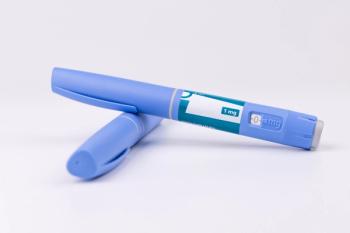
Wheeler: Since the Bridge is separate from normal Medicare drug plans, you must follow its specific rules. Eligible beneficiaries must be enrolled in a standalone prescription drug plan or a [Medicare Advantage with Prescription Drug (MA-PD)] plan. Pharmacy teams must identify eligible patients and utilize their specific Medicare ID numbers for claim submission. Coverage is strictly limited to 1-month supplies of Wegovy pills or pens, Foundayo, and Zepbound KwikPen. Furthermore, prescriptions should be supported by appropriate diagnosis codes with a weight loss indication. If not present, pharmacist teams must reach out to the prescriber for clarification. Claims for eligible patients and indications are then submitted directly to the Bridge utilizing the billing credentials available on the CMS website.
Effective patient communication is essential to managing expectations regarding the program's parameters. Notably, the Bridge requires prior authorization from the prescriber to validate clinical necessity. It is also important to communicate that the $50 copayment does not count toward the patient's out-of-pocket costs or deductible and is ineligible for further discounts or financial assistance. Once a specific GLP-1 therapy is authorized, any transition between formulations or brands requires a new prescription and a subsequent prior authorization.
In contrast to standard Part D claims, which follow a routine approval or denial sequence, the Bridge program demands a more nuanced, logic-based approach to verify [adherence] to its specific requirements prior to processing.
Drug Topics: When a patient presents with a GLP-1 prescription, how can your team determine whether to route the claim through the Bridge's central processor versus the beneficiary's Part D plan—for example, when a drug like Zepbound might be covered under standard Part D for sleep apnea versus through the Bridge for weight loss?
Wheeler: While community pharmacists often lack direct access to comprehensive electronic health records, claim routing is determined by the diagnosis code provided on the prescription. If a code for obesity or weight management is present, the claim is routed through the Bridge. For all other indications, the claim is submitted to the patient's standard Part D plan as normal. In cases of ambiguity, professional consultation with the prescriber is required. Furthermore, the central processor, Humana, mandates a prior authorization to verify that the patient meets specific clinical criteria, including [body mass index (BMI)] thresholds and the presence of related comorbidities. Successful claim adjudication is contingent upon the satisfaction of all these clinical and administrative components.
Drug Topics: Pharmacists are described as central to both the GLP-1 Bridge and the forthcoming BALANCE Model, particularly around completing prior authorization, verifying clinical criteria, managing adverse effects, and dose adjustments. How are you structuring patient counseling appointments or touchpoints around these medications, given their complexity and the monitoring they require?
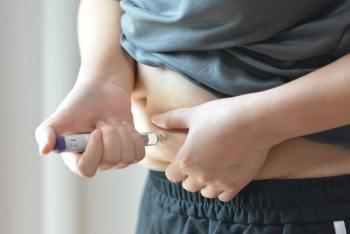
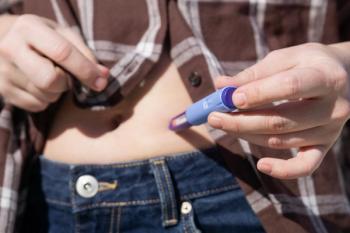
Wheeler: Upon receipt of a prescription, our pharmacy team initiates the prior authorization process and performs a preliminary assessment of clinical criteria. Counseling is conducted either at the point of sale or via telephone to ensure patients are proficient in medication administration, including pen technique, injection site rotation, and sharps disposal or the specific dietary requirements for oral formulations. We proactively address common gastrointestinal [adverse effects] and answer any inquiries to ensure therapeutic [adherence] and safety prior to the first dose of treatment.
Drug Topics: The Bridge program effectively makes your pharmacy a frontline touchpoint for a new population of Medicare patients accessing obesity treatment for the first time. What opportunities and risks do you see for independent pharmacists in being central to this program's success?
Wheeler: As accessible health care providers, pharmacists are uniquely positioned to maximize the success of this program. This initiative offers significant opportunities to enhance clinical revenue through [Medication Therapy Management (MTM)] and medication synchronization services. Since GLP-1 drugs are complicated, patients need extra support, which helps build loyalty. By providing superior support and education, independent pharmacies can foster patient loyalty and differentiate their services from high-volume retail competitors. However, the program is not without risks, primarily concerning the substantial capital required to stock these high-cost, temperature-sensitive medications. The combination of high acquisition costs and modest reimbursement margins necessitates rigorous financial oversight to ensure that pharmacy operations remain sustainable while delivering this critical patient care.