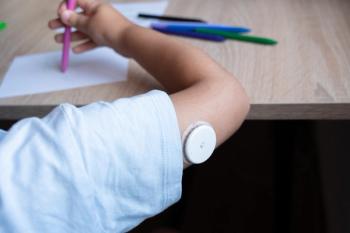
A study finds children starting continuous glucose monitoring within a month of diagnosis sustained lower hemoglobin A1C than those who started later.
Suzanne K. Higginbotham, PharmD, BCACP, CTTS, CDCES, further discusses her APhA 2026 presentation titled “Real-Time. Real Change. Rethinking CGM for Today's Patient.”
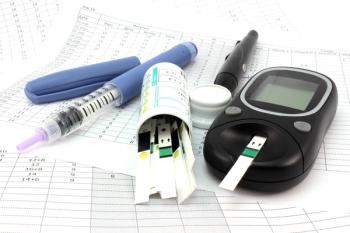
As continuous glucose monitoring (CGM) becomes increasingly accessible to everyday consumers, pharmacists are emerging as a critical touchpoint for patient education.
With over-the-counter (OTC) biosensor CGMs now widely available alongside their prescription counterparts, patients are walking into pharmacies with questions, misconceptions, and in many cases, a fundamental misunderstanding of what these devices can and cannot do.
One of the most common—and potentially harmful—misconceptions is that CGMs are diagnostic tools. As Suzanne K. Higginbotham, PharmD, BCACP, CTTS, CDCES, clinical pharmacist at the Ohio State University division of general internal medicine clinics, told Drug Topics, patients cannot use them to self-diagnose diabetes.
We caught up with Higginbotham at the American Pharmacists Association (APhA) Annual Meeting and Expo 2026 in Los Angeles to explore how pharmacists play a vital role in communicating these distinctions clearly and consistently.
Beyond safety concerns, there's a growing population of nontraditional CGM users turning to these devices not for disease management, but for lifestyle optimization. From metabolic health tracking to sports performance and obesity management, the use cases are expanding rapidly. Pharmacists who understand that landscape are far better equipped to meet patients where they are and guide them toward the right device for their needs.
That conversation often starts with a simple question: Why are you interested in this device? Understanding a patient's intended use—whether it's general glucose awareness, dietary insight, or managing a diabetes diagnosis—shapes everything from the product recommendation to the counseling that follows, including coverage and cost considerations.
With the right training and an expanded knowledge base, pharmacists are uniquely positioned to ensure patients get, not just the right device, but the right guidance to use it safely and effectively.
READ MORE:
Don’t get left behind: Sign up today for our