

Pharmacy technician, Sharon Lucas, showcases how community pharmacy, clinical skills, and lifelong learning are transforming patient care.
Ashley Gallagher is an assistant managing editor at Drug Topics®. She graduated in 2020 in journalism and mass communications and received her master’s degree in 2025 in digital journalism from St. Bonaventure University. Previously, she worked as a pharmacy technician for a retail chain.
Pharmacy technician, Sharon Lucas, showcases how community pharmacy, clinical skills, and lifelong learning are transforming patient care.

Data show adults who received the recombinant shingles vaccine had a lower cardiovascular burden than those who received the discontinued live vaccine.
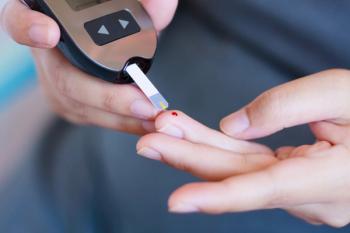
Data show women are more likely to develop mental health disorders with type 2 diabetes, and men are more likely to develop cardiovascular disease.

New recommendations from the American Academy of Neurology and American Headache Society give providers clearer criteria for preventive migraine therapy.

As data reframes vaccines as a lifelong tool, pharmacists are becoming the access point that keeps patients up to date at every stage of life.

Community pharmacists use a quick migraine toolkit to spot symptoms early, guide OTC care, and refer patients, aiming to prevent chronic migraines.

Independent pharmacist Tom DePietro explains how shifting vaccine policies, ACIP changes, and patient confusion are reshaping immunization at the pharmacy counter.

A new migraine toolkit helps community pharmacists spot underserved patients, tackle racial diagnosis gaps, and connect Black adults to care.

Kelly Goode examines 2026–27 vaccine guidance for pharmacists, detailing updated flu, COVID-19, and RSV recommendations and coadministration.

Live attenuated influenza vaccine increased pneumococcal density in vaccinated children, raising odds of pneumococcal infection among household contacts.

The first new US sunscreen active ingredient in years is reaching shelves through dsm-firmenich's Parsol Shield and Ultra Violette's new SPF launch.

Data show starting antivirals within 48 hours of symptom onset sharply lowers pediatric hospitalization risk.

The approval gives pharmacists a new nonTNF biologic option across both major forms of pediatric inflammatory bowel disease.

Pfizer and BioNTech, Moderna, Sanofi, and Takeda received FDA approval for updated 2026-2027 COVID-19 vaccines reformulated to target the XFG variant.

New consensus confirms that chronic obstructive pulmonary disease, asthma, bronchiectasis, and lung cancer are indications for pneumococcal vaccination.

A study links dormant virus reactivation during COVID-19 hospitalization to inflammation-driven immune changes and long COVID disability.

Low-cost, monitoring-supported lifestyle intervention outperformed group-based health education and physical activity programs on cost and effectiveness.

A study found that community pharmacists are viewed as medication dispensers, with gaps in awareness screening, counseling, and other prevention services.

The combination of bictegravir and lenacapavir gives virologically suppressed adults with HIV a new option showing sustained viral suppression.

The once daily medication outperformed placebo across all 9 key secondary end points in the phase 3 VALOR trial.

Community pharmacy owners found that innovation readiness was associated with how quickly pharmacies rolled out remote services during the early pandemic.

Once maternal major depressive disorder is disentangled from drug exposure, SSRIs carry little or no added risk in pregnancy, according to analysis.

A tool now tracks measles, meningitis, and whooping cough at the state and substate level, giving pharmacists a new resource to identify local outbreaks.

The approval gives providers a second-generation integrase inhibitor to start eligible newborns with HIV-1 on therapy from birth.

Diabetes regimen adjustments for older adults with type 2 diabetes often do not align with glycemic goals, with deintensification remaining infrequent.

Strong first-season effectiveness against respiratory syncytial virus hospitalization but finds no protective benefit in year 2.
Giving 15-valent pneumococcal conjugate vaccine alongside acellular DTaP did not compromise antibody responses to either vaccine.

A once daily small-molecule GLP-1 receptor agonist showed dose-dependent weight loss with no apparent plateau at 36 weeks.

Oseltamivir treatment lowers the hazard of intensive care unit admission and shortens hospital stays in children hospitalized with influenza.

Analysis of tertiary care patients finds no difference in quality of life between those with functional somatic disorder and those with long COVID.