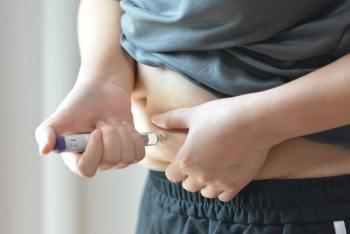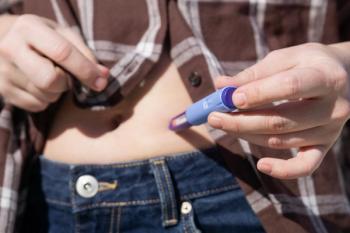
With obesity, muscle loss, and sleep disorders so prominent in postmenopause, providers are now looking into further expansion of GLP-1 use.
Every pattern of hormonal contraceptive use was associated with subsequent semaglutide initiation, a signal pharmacists and prescribers should watch for.
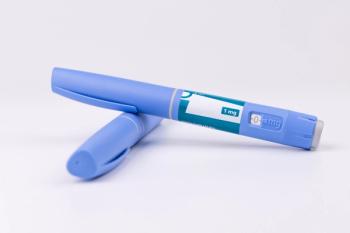
Hormonal contraceptive use was associated with a significantly higher likelihood of initiating semaglutide therapy among females of reproductive age, according to results published in JAMA Network Open.1
The study, led by Mille Dybdal Bager, MD, of Copenhagen University Hospital, followed females aged 12 to 49 years from January 1, 1996, through December 31, 2023, comparing 22,694 first-time semaglutide users with 229,640 matched nonusers. The findings suggest that a history of hormonal contraceptive use may help identify patients more likely to pursue pharmacologic weight management.1
Researchers used Danish national registries to match each female who filled a first semaglutide prescription (case) by birth year to 10 nonusers with no prior use of glucose-lowering medications (controls). Hormonal contraceptive exposure was assessed based on all prescriptions filled from age 12 years (or study entry) through the index date, encompassing combined oral tablets, progestin-only tablets, progestin-only intrauterine devices (IUDs), implants, patches, rings, and injectable depot medroxyprogesterone acetate.1
Every utilization pattern was associated with semaglutide initiation compared with never users. Among single-method patterns, adjusted hazard ratios (AHRs) ranged from 1.42 (95% CI, 1.34-1.51) for combined oral tablets to 1.63 (95% CI, 1.46-1.82) for progestin-only IUDs. Patterns involving 2 or more contraceptive types carried higher AHRs, from 1.64 (95% CI, 1.47-1.82) for combined tablets followed by progestin-only tablets up to 2.11 (95% CI, 1.97-2.25) for other, less common utilization patterns.1
Adjusting for body mass index (BMI) attenuated but did not eliminate these associations, and subgroup analyses by age, education, income, parity, and immigrant status showed largely consistent results. Of the study's semaglutide users, 81.8% were prescribed the drug's weight-management formulation rather than its diabetes indication.1
The authors noted that hormonal contraceptive use may serve as an early indicator of patients more likely to pursue pharmacologic weight management, and they pointed to unmeasured factors—perceived weight change, contraceptive dissatisfaction or switching, and increased health care contact—as possible drivers of the association independent of BMI.1
The Danish findings arrive alongside a body of evidence indicating that hormonal contraception itself is not a strong direct cause of weight gain for most patients. Apart from injectable medroxyprogesterone acetate (DMPA), current evidence does not show a statistically significant link between hormonal contraceptive use and weight gain, according to a contraceptive pearl from the Reproductive Health Access Project.2
A 2016 Cochrane review found only limited evidence of weight change with progestin-only methods, with most studies showing an average gain of less than 5 lb within a year. More recent data, however, show reproductive-age women using DMPA may gain up to 5.8% of baseline body weight, with adolescents gaining more than adults.2
A secondary analysis of an 18-month behavioral weight-loss trial showed that although women using combined hormonal contraceptives (CHCs) and those not using CHCs lost comparable weight at 6 months, CHC users regained nearly all of that weight by 18 months, while nonCHC users maintained their losses. The CHC group also showed a trend toward increased energy intake between months 6 and 18, a pattern the study's authors linked to the higher progestin and lower endogenous estrogen levels associated with CHC use.3
As glucagon-like peptide-1 receptor agonist (GLP-1 RA) prescribing has expanded—with one review noting a roughly 700% increase in prescribing over 4 years, driven primarily by obesity treatment—pharmacists are increasingly positioned to counsel patients navigating both contraceptive and weight-management decisions simultaneously. Pharmacists can help patients maintain muscle mass, meet protein needs, and address nutrient deficiencies that commonly accompany rapid weight loss from GLP-1 RA therapy, reinforcing protein intake of 1.2 to 2.0 g/kg/day and screening for micronutrient gaps that standard labs may miss.4,5
Given the Danish study's findings, pharmacists filling hormonal contraceptive prescriptions may be well positioned to discuss realistic expectations around contraception and weight, screen for interest in weight-management options, and flag GLP-1 RA candidates for baseline nutrition assessment—particularly since rapid weight loss from GLP-1 therapy, like other rapid weight-loss methods, can accompany lean muscle loss and nutrient deficiencies regardless of which contraceptive method a patient uses.5