Diabetes medication experts focus on practical access and pharmacist counseling considerations for adults on obesity medication.
New research links a national surge in poison control calls involving semaglutide to preventable dosing mistakes rather than intentional misuse.
A new national analysis of poison center data has linked the rapid post-2021 growth of semaglutide (Ozempic, Wegovy) prescribing for weight management to a marked rise in preventable dosing errors. Researchers at the University of Texas at San Antonio analyzed more than 10,000 glucagon-like peptide-1 receptor agonist (GLP-1 RA) exposures reported to the National Poison Data System (NPDS) between 2012 and 2023 and found that call volume, patient demographics, and health care utilization all shifted significantly after the FDA's June 2021 approval of semaglutide for chronic weight management.1,2
The findings, published in the Journal of Medical Toxicology, suggest that better patient and prescriber education at the point of care could prevent many of these incidents.1,2
Before the FDA's 2021 decision, poison centers nationwide typically handled between 1000 and 1500 GLP-1 RA-related cases annually. That volume nearly doubled after mid-2021, and by 2023, national poison centers had logged more than 8000 GLP-1 RA-related calls in a single year.2
The peer-reviewed analysis quantified this shift of 10,033 total exposures identified in the NPDS from 2012 through 2023; 3113 occurred before July 1, 2021, and 6920 occurred on or after that date, a 2.2-fold increase. A segmented Poisson regression model confirmed that semaglutide-related calls accelerated by an additional 9.9% per quarter following approval, a statistically significant inflection beyond what background prescribing growth would explain (incidence rate ratio, 1.10; 95% CI, 1.08-1.11; P < .001).1
Semaglutide's share of GLP-1 RA exposures grew from 24.6% before approval to 64.2% after, and other agents in the class, including liraglutide and dulaglutide, saw comparatively modest increases. The exposed population also shifted younger and more female, with the mean patient age falling from 57.0 years before approval to 51.6 years after (P < .001) and the proportion of female patients rising from 68.9% to 78.2% (OR, 1.62; 95% CI, 1.47-1.78; P < .001).1
"One of them was this quite odd category of semaglutide," David Han, PhD, Romo Endowed Professor in the UT San Antonio Department of Statistics & Data Science, said in a news release.2 "We suspected that the call volume was skyrocketing because of the misuse and mishandling of this drug and that it may be attributed to the FDA approval of this drug for weight management."
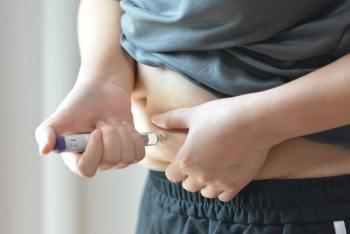
The research team found that the overwhelming majority of exposures reflected unintentional therapeutic errors rather than intentional misuse. They found that patients taking the medication daily instead of weekly and patients starting at a full dose instead of following the recommended step-up titration schedule.1,2
Wrong-dose errors were the single most frequently documented scenario by raw count (n = 5171), followed by wrong-time errors (n = 1160), though the wrong-dose share of therapeutic errors actually declined by 4.1 percentage points after approval even as wrong-drug and wrong-time errors each rose by 4.9 percentage points.1
This pattern lines up with what community poison centers are seeing directly. In a separate report, the Washington Poison Center noted that many patients have accidentally taken 10-fold overdoses of their medication and that some dose themselves more frequently than recommended, such as daily instead of weekly. About half of that center's related calls involve compounded semaglutide and tirzepatide, which are dispensed in vials rather than prefilled pens and often lead to confusion when dosing is measured in units, similar to insulin, rather than milliliters.3
The center also reported a small but growing number of calls involving retatrutide, an investigational triple agonist that is not FDA approved but is sold online as a research chemical not intended for human consumption. Callers reported symptoms similar to inadvertent semaglutide or tirzepatide overdose, including vomiting and an inability to tolerate food or liquids for one to three days.3
The clinical and utilization data underscore a growing role for pharmacists in preventing these errors at the counter. The proportion of GLP-1 RA exposures managed in or referred to a health care facility rose from 23.0% before approval to 33.5% after (relative risk, 1.46; 95% CI, 1.36-1.57; P < .001), and recommendations for antiemetics and IV fluids both roughly tripled in the same period.1
Nausea and vomiting were the most commonly reported clinical effects, increasing from 14.6% to 30.7% and from 9.6% to 28.5%, respectively. The Washington Poison Center likewise reported that hypoglycemia occurred in 3.4% of all GLP-1 RA exposures at one poison center, reinforcing the need to counsel patients, particularly those also using insulin or sulfonylureas, on recognizing low blood sugar.1,3
The study authors noted one death among the reported exposures. A patient with a history of obesity who had recently undergone liposuction was started on tirzepatide 3 weeks post-procedure and, 10 days later, presented with acute abdominal complications that were ultimately fatal. The authors emphasized that causality could not be established from a single case but that the timing raises questions about GLP-1 RA use in the perioperative period. No cases of pancreatitis were identified in the more than 10,000 exposures reviewed.1
According to the study authors, improving education at every step of the prescribing process, from the physician's office to the pharmacy counter, could help prevent many of these medication errors going forward. The Washington Poison Center reiterated that management of GLP-1 RA overdose is largely supportive, focused on treating nausea, vomiting, and dehydration, and encouraged clinicians and patients with questions to contact their regional poison center at 1-800-222-1222.2,3