
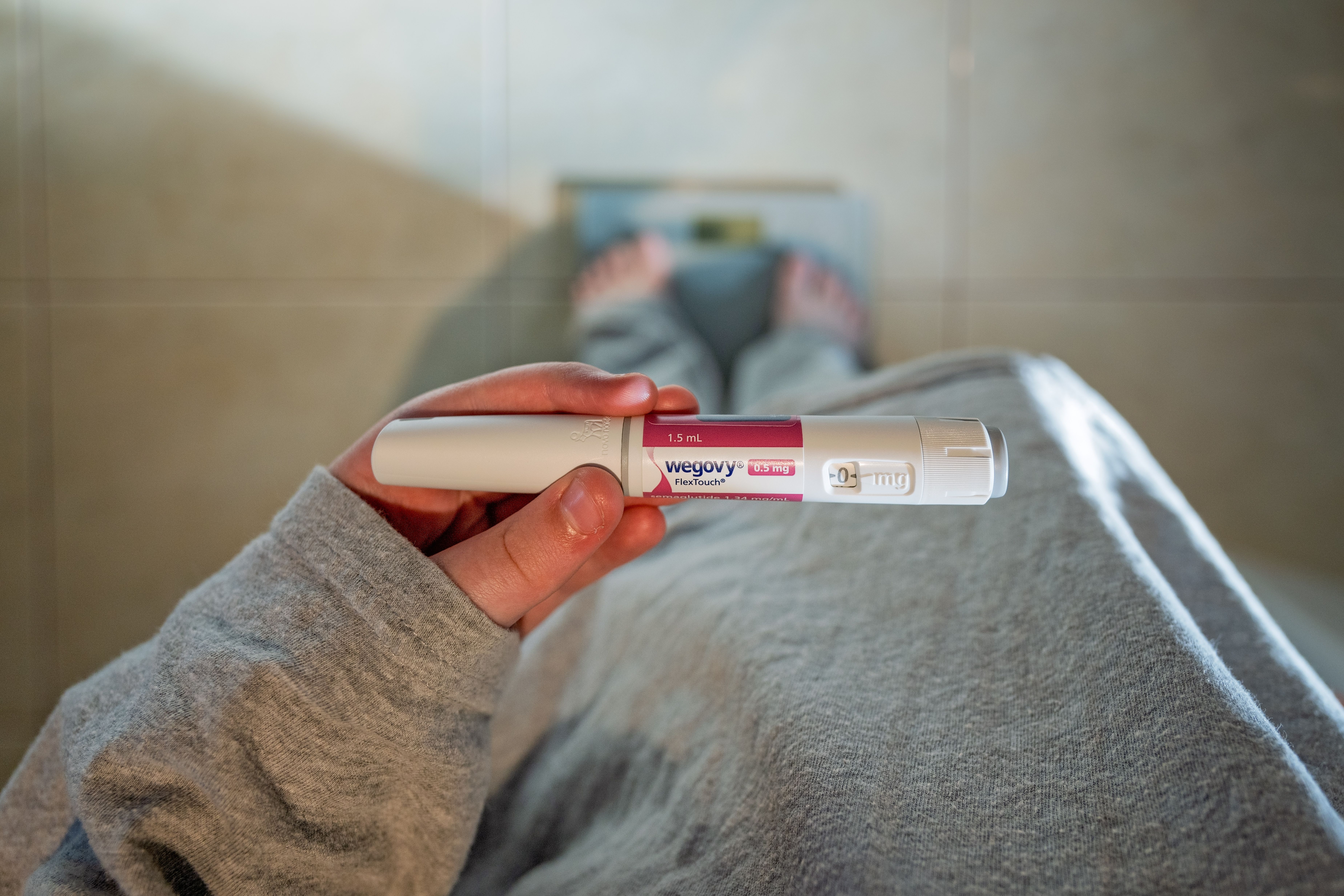














Oral semaglutide 25 mg shows significant benefits in weight loss and cardiovascular health for patients with obesity, enhancing overall well-being.
Oral semaglutide 25 mg shows significant benefits in weight loss and cardiovascular health for patients with obesity, enhancing overall well-being.
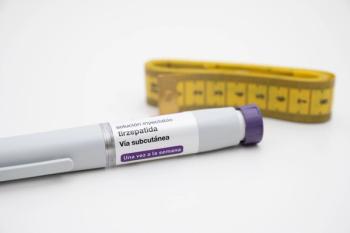
Eli Lilly and Walmart collaborate to enhance access to Zepbound for obesity management, offering direct-to-consumer pricing and nationwide pharmacy pickup.
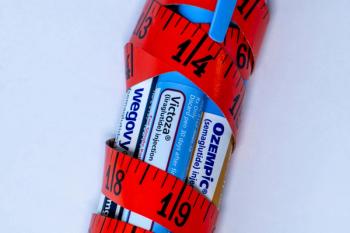
A study reveals that lower baseline BMI and early weight loss with liraglutide enhance significant weight loss outcomes in patients with type 2 diabetes.
Pharmacists can help patients maintain muscle mass, meet their protein needs, and prevent nutritional deficiencies through evidence-based guidance that supports better overall health.

As GLP-1 popularity, use, and price continues to rise, pharmacy industry stakeholders are attempting to guide pharmacists and patients around the complexities of this drug class.

In part 3 of our interview with Rae McMahan, she explores her role at Prescryptive Health and how she’s helping pharmacy stakeholders navigate complex GLP-1 prescription drug benefits.
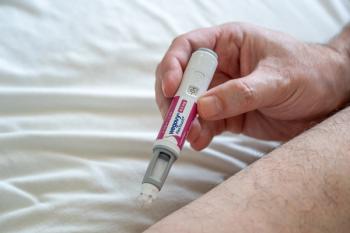
Through her work as senior vice president of payor solutions at Prescryptive Health, Rae McMahan shares insights into how increased GLP-1 popularity and costs impact pharmacies.
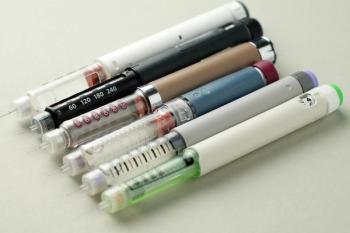
Rae McMahan, senior vice president of payor solutions at Prescryptive Health, discusses GLP-1 access, advertising, and the challenges that often accompany this drug class.

In hospitalized patients with obesity, researchers conduct a study detailing how electronic clinical support helps participants optimize their treatment regimens.

Orforglipron shows results in weight loss and diabetes management, offering a new oral treatment option for patients.
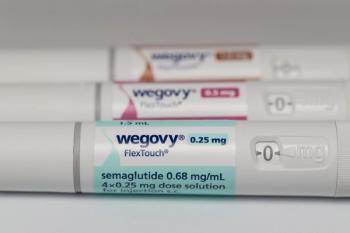
A real-world study found that semaglutide significantly reduced the risk of major cardiovascular events compared to tirzepatide.

Researchers explored the association of body mass index and all-cause mortality rates among older adults undergoing major elective surgery.
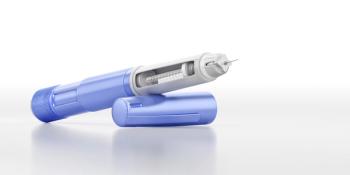
Liraglutide is the first glucagon-like peptide-1 to have a generic equivalent for both type 2 diabetes and obesity indications.
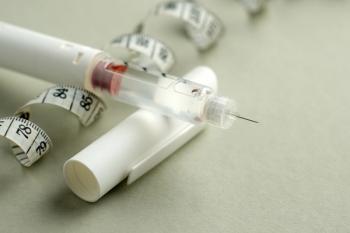
Researchers explored the real-world dose titration, adherence rates, and effectiveness of glucagon-like peptide-1 medications among patients in a multidisciplinary obesity clinic.
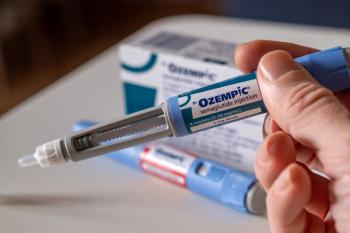
In association with patients’ race, ethnicity, and social determinants of health, researchers explored the off-label prescribing of GLP-1s approved for type 2 diabetes.
The Signos Glucose Monitoring System uses body signals that help to improve sleep, manage weight, and decrease the risk of chronic disease.
Pharmacists play a key role in guiding patients on GLP-1 and dual agonist therapies, supporting safe use, managing adverse effects, and promoting long-term treatment success.
A phase 2 trial found RDX-002 significantly lowered triglycerides and reduced weight regain in patients who had recently stopped GLP-1 therapy.
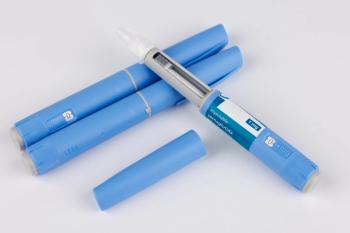
Compounding pharmacies help meet patient needs by formulating alternative versions in the face of drug shortages but are no longer allowed to compound them.
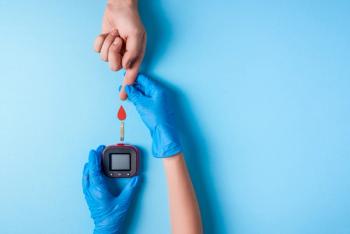
Investigators find modest improvements in body weight at week 26 for CT-868 compared with the placebo.

At 72 weeks, patients who took the highest dose of orforglipron lost an average of 27.3 lb.

As part of a retrospective study, researchers explored the association between BMI and osteoporosis risk as outcomes evolve from adolescence to adulthood.
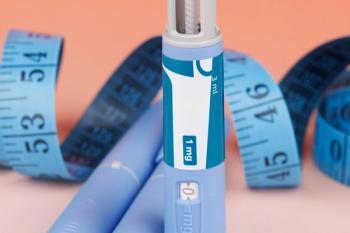
Researchers explored how the GLP-1 medications semaglutide and tirzepatide impact incidence rates in a variety of health-related outcomes.

From 2008 to 2023, the relative increase of pediatric patients with obesity classes 4 to 5 was 253.1%.
Seven major clinical trials reveal semaglutide’s expanding benefits beyond glucose control, showing promise in kidney, heart, liver, vascular, and obesity-related outcomes.