Detailed phase 3 data show retatrutide lowered body weight and A1C over 80 weeks for patients with diabetes and obesity.
Community pharmacists weave brief lifestyle coaching and point-of-care testing into medication management, improving diabetes and hypertension outcomes.
Lifestyle-related chronic diseases continue to rise across the US, contributing to higher rates of hospital admissions and escalating health care spending. Conditions such as diabetes, hypertension, dyslipidemia, excessive alcohol use, smoking, and obesity are largely preventable, yet they persist in part because patients have limited access to practical, sustainable lifestyle counseling embedded in routine care.
The CDC estimates that approximately 75% of adults have at least 1 chronic condition, and more than 50% live with 2 or more.1 Despite the presence of more than 60,000 community pharmacies nationwide, relatively few currently offer structured lifestyle-focused programs. The National Diabetes Prevention Program (DPP) remains the only CDC-recognized lifestyle-focused intervention implemented in community pharmacies, and participation is limited. In 2020, only 73 community pharmacies were listed as recognized DPP sites.2 Most pharmacy-based lifestyle interventions described in the literature have been conducted in controlled research settings rather than in everyday pharmacy practice, highlighting a significant opportunity to expand preventive care within local communities.
Pharmacists address this gap through their roles in medication therapy management (MTM), patient education, chronic disease monitoring, and frequent patient interactions. These touchpoints allow pharmacists to integrate evidence-based lifestyle strategies into routine care, including counseling on nutrition, weight management, physical activity, sleep, and substance use. When paired with ongoing monitoring of blood pressure, hemoglobin A1C (HbA1C), and lipid levels, these conversations can reinforce behavior change while optimizing medication therapy.
Although structured lifestyle programs remain limited in US pharmacies, multiple studies demonstrate the impact of pharmacist-led interventions. In a study by Lenz and Monaghan, pharmacists delivered a year-long lifestyle medicine intervention for patients with diabetes, hypertension, and dyslipidemia. Counseling addressed diet, physical activity, weight control, sleep, stress, and substance use, and 93% of participants experienced reductions or normalization of blood pressure and cholesterol compared with baseline. The intervention was incorporated into MTM services without requiring structural changes or additional costs.3
A systematic review by Cheema et al examined 16 randomized controlled trials of pharmacist-led hypertension interventions that combined patient education, medication management, and lifestyle counseling. These programs were associated with clinically meaningful reductions in blood pressure, reinforcing the benefit of embedding lifestyle management into routine pharmacy encounters.4
Implementing lifestyle modifications into pharmacy practice does not require large-scale programs. MTM services provide a natural starting point where pharmacists can ask brief, structured lifestyle questions related to diet, stress, sleep, and physical activity. These conversations can often be incorporated into an additional 2 to 3 minutes of counseling. Questions such as “What is your biggest source of stress right now?" or “Can you tell me about your typical meals in a day?” can uncover meaningful barriers and foster patient engagement. Progress can be monitored at follow-up encounters, allowing pharmacists to reinforce behavior change and optimize medication plans as needed.
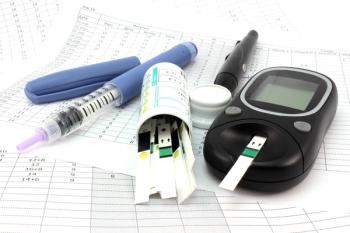
Point-of-care testing (POCT) offers another way to integrate lifestyle modifications into pharmacy workflows. Services such as blood pressure checks, glucose screenings, HbA1C testing, and lipid panels provide immediate, objective data that patients can track over time. Pharmacists analyze the results and connect the numbers to modifiable behaviors, helping patients set realistic, achievable goals that reinforce consistency and accountability. It is important to note that Clinical Laboratory Improvement Amendments certification and training are required under federal law to ensure proper testing procedures and reliable results suitable for clinical decision-making.5
As pharmacist-patient relationships deepen, opportunities for collaboration expand. Partnering with dietitians, fitness centers, wellness programs, and community health workers can help address social determinants of health and reduce barriers to lifestyle change. These partnerships allow pharmacists to extend care beyond the pharmacy counter while maintaining a central role in coordination and follow-up.
For pharmacies seeking a more formal role in prevention, collaboration with the CDC to implement a recognized lifestyle program, modeled on the DPP but focused on other areas of chronic disease, represents a longer-term opportunity. Although participation requires training, data reporting, and organizational commitment, these programs may provide a competitive advantage while advancing public health goals.
Lifestyle-related chronic diseases will continue to increase unless preventive care becomes more accessible and integrated into everyday health care interactions. Pharmacists possess the clinical knowledge, expertise, accessibility, and trusted relationships necessary to support impactful behavioral change. By incorporating lifestyle counseling into MTM and POCT services and collaborating with other community partners, pharmacists can empower patients to better manage their health while helping to reduce the long-term burden of chronic disease.
6 months ago
OTC Products: Digestive Health