





























Sarah Gray, PharmD, GAICD, explored the unique combination of being both a pharmacist and nutritionist.
Sarah Gray, PharmD, GAICD, explored the unique combination of being both a pharmacist and nutritionist.

RGT-075 from Regor Therapeutics demonstrated a statistically significant 5% placebo-adjusted weight loss in adult patients with obesity or overweight.

Sarah Gray, PharmD, GAICD, discussed her experience as a pharmacist who added nutrition counseling to her clinical expertise.

Sarah Gray, PharmD, GAICD, known as the Nutrition Pharmacist, joined Drug Topics to discuss her experience with patients looking to begin healthier lifestyles at the start of a new year.

MET-097i from Metsera demonstrated substantial reductions in mean body weight in patients with obesity or overweight who did not have type 2 diabetes.
Jennifer Clements, PharmD, BCACP, BC-ADM, BCPS, CDCES, FADCES, FCCP, discussed the benefits of tirzepatide compared with semaglutide.

US News & World Report nutrition experts detailed the best types of diets for maintaining patient health in 2025.
Check out this list of our top 5 most read obesity stories from the year 2024.

Zepbound from Eli Lilly is the first and only prescription medicine approved by the FDA for adults with obstructive sleep apnea and obesity.

Although the drug fell short of its 25% expected weight loss, results are still promising for people with overweight or obesity.

Researchers assessed the importance of a nutritious diet and the role pharmacists play in providing dietary management services.
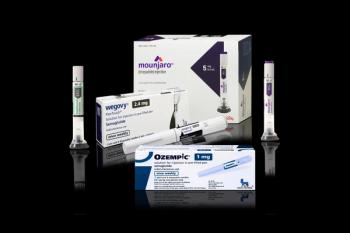
The drugs were compared over a 72-week study period.

A conversation with Melody Hartzler, PharmD, at the 2024 National Community Pharmacists Association Annual Convention and Expo.

In a recent clinical trial, weekly semaglutide demonstrated promise as a nonsurgical, nonopioid intervention for reducing knee osteoarthritis pain.

Melody Hartzler, PharmD, discusses common metabolic roadblocks to weight loss and what tools pharmacy teams can use to identify and address them.
Analyzing copayments and coverage plans for popular weight-loss drugs in the US, researchers addressed the cost-effectiveness of GLP-1 medications for treating obesity.
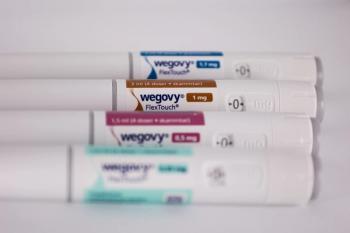
Without financial incentives, some senators expressed concerns that pharmaceutical research and development would stall.

Senators sought to uncover why prices of Novo Nordisk’s GLP-1 receptor agonist semaglutide are significantly higher in the US compared with countries in Europe.
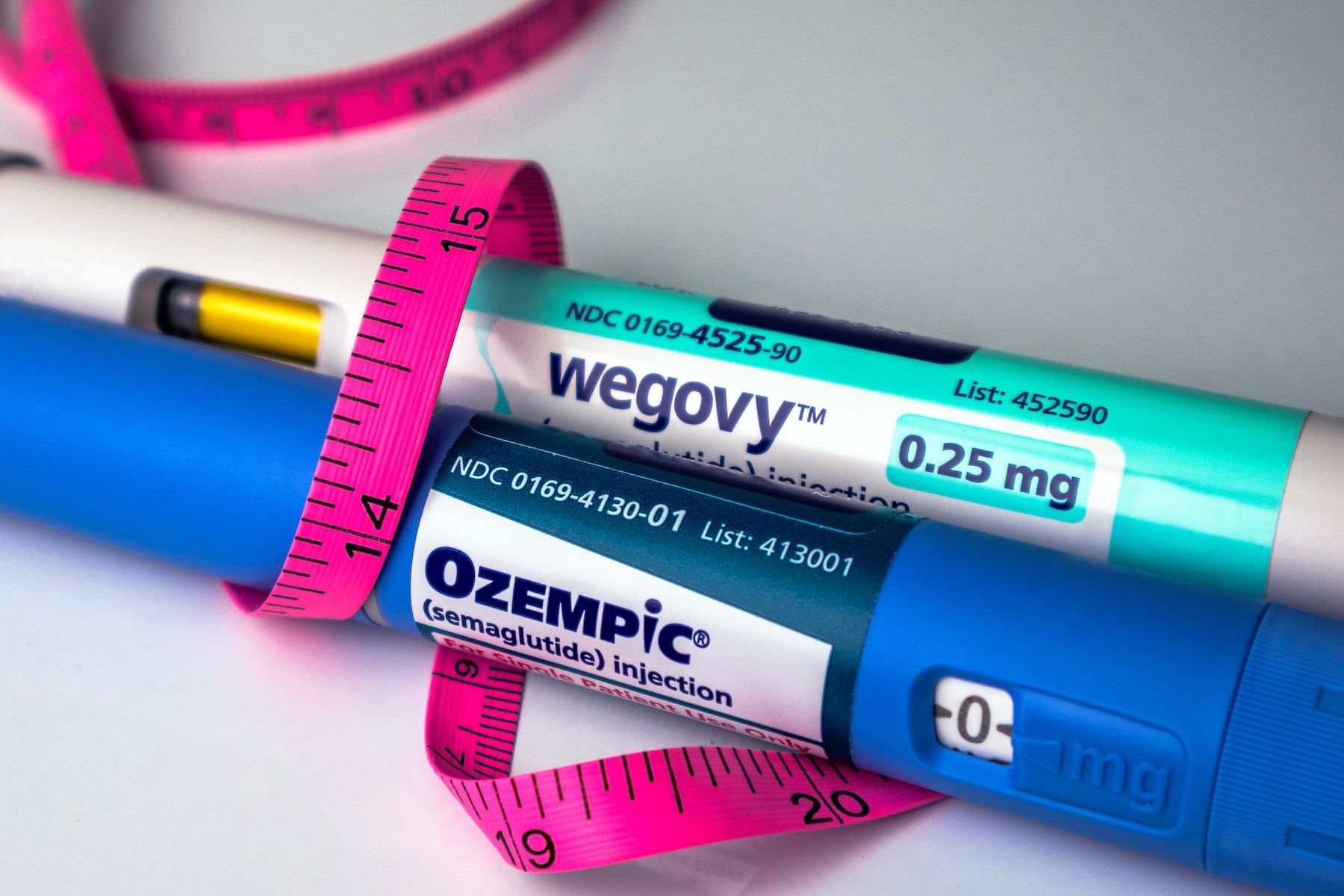
In the US, Ozempic costs more than 9 times what it does in Germany, while Wegovy is more than 4.5 times more expensive than in Denmark.
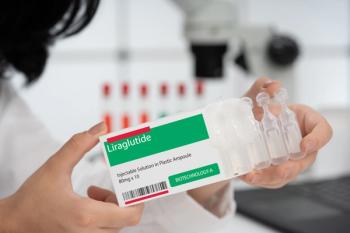
Compounded with lifestyle interventions, researchers compared liraglutide with a placebo to measure its efficacy amongst children under 12 years old.

The CDC recently released a report detailing 2023 statistics regarding adult obesity within the 50 US states.

According to various research studies, these are the most commonly used interventions patients consider for treating and managing childhood obesity.

“Reducing abdominal adiposity may be considered a target for chronic pain management, particularly in those with pain in multiple sites and widespread pain,” wrote investigators.

Data from the SELECT clinical trial were analyzed to evaluate the role of semaglutide therapy on all-cause, cardiovascular, and non-cardiovascular mortality during the COVID-19 pandemic.

Vials of tirzepatide 2.5 mg and 5 mg will be available at a 50% discount compared with the list price of other incretin-based obesity medications.