Nicole Pezzino, PharmD, BCACP, BC-ADM, CDCES, details how pharmacies can utilize the booming GLP-1 medication class for greater revenue opportunities.
Emily Eddy, PharmD, BCACP, BC-ADM, CDCES, presents on the ever-expanding world of glucagon-like peptide-1s, now heading toward indications for chronic kidney disease and substance use disorder.
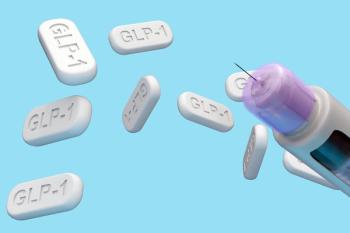
Glucagon-like peptide-1 (GLP-1) receptor agonists are revolutionizing the management of both obesity and type 2 diabetes (T2D), with dual and triple agonists raising the bar when it comes to improved outcomes. However, as more research is conducted, this medication class is evolving even further outside of weight loss and diabetes management capabilities.
“[When] I was in pharmacy school, [GLP-1s] were just kind of coming out. It was like, ‘Oh, this is helpful; these are good medications,’” Emily Eddy, PharmD, BCACP, BC-ADM, CDCES, associate professor of pharmacy practice and director of clinical services at Ohio Northern University, said in her presentation at the American Pharmacists Association 2026 Annual Meeting and Exposition. “[Now,] this is a real game changer, and this has really changed the way we practice. We’re now not just treating diabetes but underlying metabolic problems.”
The glitz and glamour surrounding GLP-1 receptor agonists have earned them a reputation as “The Real Stars of Beverly Hills”—according to Eddy’s presentation, titled “The Real Stars of Beverly Hills: GLP-1s Taking the Spotlight.”
However, their influence now extends far beyond Hollywood’s red carpets and into the core of clinical pharmacy practice. Originally designed for T2D, these agents are reshaping the treatment of obesity and metabolic health with impacts that transcend the scale.1,2
READ MORE:
For pharmacists, staying ahead of this rapidly evolving landscape is essential as these medications transition from “skinny jabs” to essential tools in the cardio-kidney-metabolic toolkit.3,4
The current landscape is defined by a shift toward higher doses and more convenient delivery methods. In early 2026, the clinical spotlight fell on oral semaglutide 25 mg, which demonstrated significant weight loss in the OASIS-4 (
Pharmacists should also note the strategic rebranding of semaglutide (Rybelsus) as Ozempic tablets for certain formulations, clarifying that both oral and injectable options are approved for diabetes management. Furthermore, the pipeline is introducing nonpeptide options like orforglipron (Foundayo), which does not require the strict fasting protocols of previous oral formulations.
The therapeutic horizon is also expanding into multi-agonist therapies that target several pathways simultaneously. Dual agonists like tirzepatide (Zepbound; Mounjaro) and the investigational CagriSema are being joined by triple agonists such as retatrutide—which targets GLP-1, glucose-dependent insulinotropic polypeptide (GIP), and glucagon receptors.1,5
These agents are being studied for a diverse array of conditions, including heart failure with preserved ejection fraction, where they have shown a 40% relative risk reduction compared with older therapies. Other emerging indications include metabolic dysfunction-associated steatohepatitis (MASH), where semaglutide 2.4 mg has shown the potential to resolve liver fibrosis, and obstructive sleep apnea.1,4
However, this therapeutic expansion brings new complexities for medication management. Although these drugs protect the heart and kidneys, new research presented at the 2026 American Academy of Orthopaedic Surgeons meeting suggests potential long-term musculoskeletal risks.1,6
Although GLP-1 use is associated with improved recovery and lower infection rates following orthopedic surgery, long-term exposure may increase the risk of osteoporosis, gout, and osteomalacia. Additionally, pharmacists must address the hidden adverse effects of rapid weight loss, such as a 15% to 25% loss of lean muscle mass and potential nutrient deficiencies in vitamins B12, D, and magnesium.2,6
Global health organizations are beginning to recognize these agents as essential medicines, with WHO including them in global guidelines to reduce multimorbidity and premature mortality.3
Despite this, barriers like cost and insurance coverage remain significant, though recent White House deals and the emergence of generics for liraglutide are starting to improve accessibility. Some medications have even received National Priority Vouchers to expedite FDA reviews for unmet public health needs.1,2,5
The pharmacist’s role is shifting toward a more integrated, holistic approach to care. This includes implementing precision nutrition, monitoring reward pathways in patients with substance use disorders, and collaborating across specialties to adjust complex regimens.1,2,4
Although the spotlight remains on weight loss, the true value of these medications lies in their ability to treat the underlying drivers of chronic disease and promote long-term longevity.4
“Their role is now being understood to be much, much more fundamental to human health and to promoting longevity and preventing chronic illness progression,” Muthiah Vaduganathan, MD, assistant professor of medicine at Brigham and Women’s Hospital, said to
READ MORE:
Ready to impress your pharmacy colleagues with the latest drug information, industry trends, and patient care tips? Sign up today for our