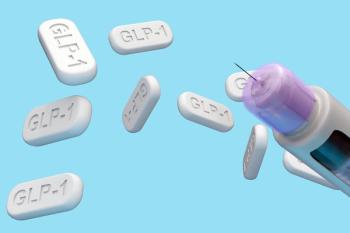
Nicole Pezzino, PharmD, BCACP, BC-ADM, CDCES, details how pharmacies can utilize the booming GLP-1 medication class for greater revenue opportunities.
GLP-1 therapies gain popularity, but patient adherence struggles due to fragmented support and emotional barriers.
Few drug categories have expanded as quickly or as visibly as glucagon-like peptide-1 (GLP-1) therapies. Nearly 1 in 5 US adults now report having taken a GLP-1, and consumer adoption of weight-loss injectables has more than doubled in less than 2 years.1,2 As pricing pressure eases and competition increases, analysts expect utilization to continue rising across both diabetes and weight-management indications.
The arrival of oral GLP-1 options marks the next inflection point. A daily pill, available at retail pharmacies, removes one of the most commonly cited barriers to initiation: injections.3 For many patients, the oral dosage form alone makes treatment feel more approachable.
But easier access does not automatically translate to better outcomes.
From a pharmacist’s perspective, GLP-1 therapy has never been simple, and oral formulations do not change that reality. Patients still need to understand titration schedules, adverse effect management, missed dose rules, food timing, and expectations around weight loss versus glycemic control. Many are also navigating concurrent therapies, lifestyle changes, and long-term treatment commitment for the first time.
When education and reinforcement are fragmented across prescribers, digital tools, or pharmacy touchpoints, confusion quickly fills the gap. Patients may start therapy with optimism, but uncertainty around how and why to stay consistent can erode confidence early. The result is predictable: delayed starts, inconsistent dosing, or quiet discontinuation, even when cost and access barriers have been addressed.
Affordability and access are critical, but they are only part of the equation. Without clear, reinforced guidance and support during the moments when patients face emotional challenges specific to their medication, easier initiation can paradoxically increase the risk of nonadherence rather than reduce it.
At the same time GLP-1s are becoming easier to access; the way patients obtain and manage these medications is becoming more fragmented.
From the pharmacy counter, the consequences are visible. Patients receive partial information, conflicting guidance, or no reinforcement at all once therapy begins. When questions arise, it’s not always clear who owns the follow-up.
This gap shows up consistently in patient behavior.
In an analysis of more than 140,000 patient conversations across chronic conditions, knowledge and skill gaps appeared in over 40% of interactions.4 Patients commonly expressed uncertainty about how to start their medication, how to take it correctly, or how to manage it day-to-day. These issues surfaced even when cost and access were not primary barriers.
Adherence rarely fails for a single reason. Patients often face multiple, overlapping challenges at once. When systems are designed primarily to deliver medication rather than support its long-term use, those challenges compound.
The shift to daily oral GLP-1s raises the stakes for routine-building and self-management, particularly for patients with diabetes.
Based on a recent analysis, diabetes patients were found to be 7.4 times more likely to describe loneliness or lack of support as barriers to staying on therapy compared with other conditions such as chronic kidney disease, migraine, and cardiovascular conditions.4 The ongoing, self-managed nature of diabetes care, including daily glucose monitoring, medication timing, dietary decisions, and long-term behavior change, can heighten feelings of isolation, especially when family members and friends do not share or fully understand those routines.
These emotional dynamics matter. A patient who feels unsure, overwhelmed, or alone is far less likely to maintain a daily medication regimen, regardless of how accessible the therapy may be.
Oral GLP-1s should be viewed as more than a formulation change. They are a stress test for how well DTP models support patients beyond initiation.
DTP excels at access, but access is only the beginning of therapy. When patient support is treated as a series of disconnected touchpoints rather than a coordinated experience, outcomes can suffer, even with highly effective medications.
Pharmacists see this play out daily. Patients may have access to multiple prescribers, pharmacies, and support programs, but no single entity is clearly accountable for ensuring understanding, reinforcing routines, or addressing the emotional barriers that determine adherence.
Oral GLP-1s represent real progress. They lower barriers, broaden reach, and give patients more choice, but they also make clear that medication success depends on more than delivery.
As this category continues to grow, the industry faces a choice. It can focus on scaling distribution alone, or it can invest in support systems that help patients build the knowledge, confidence, and skills needed to turn prescriptions into improved health outcomes.
From where I sit, the latter will determine whether expanded GLP-1 access translates into sustained outcomes. Convenience opens the door; what happens next determines whether patients stay.