Detailed phase 3 data show retatrutide lowered body weight and A1C over 80 weeks for patients with diabetes and obesity.
Tentative FDA nod for generic semaglutide signals more glucagon-like peptide-1 access, easing pharmacy hurdles and curbing risky compounded alternatives.
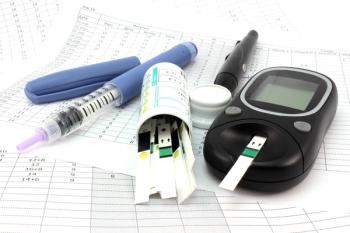
Apotex Corp announced that it has received the first tentative FDA approval for its generic version of Ozempic, known as semaglutide injection. This milestone, achieved through a strategic partnership with Orbicular Pharmaceutical Technologies, represents a significant step toward expanding affordable access to complex peptide therapies in the United States.1
"Achieving technical equivalence for complex peptide products requires deep scientific rigor, advanced analytical precision, and a highly disciplined development approach," M. S. Mohan, PhD, managing director of Orbicular Pharmaceutical Technologies, said in a news release.
The development of this product required sophisticated scientific rigor, including advanced analytical characterization and deep process understanding to ensure technical equivalence with the brand-name medication. Although this tentative approval marks a breakthrough, the product must wait for final approval eligibility before it can be fully launched into a market where affordability and availability are increasingly critical for patients.
For pharmacists, this move follows a growing trend of generic entries within the glucagon-like peptide-1 (GLP-1) receptor agonist class. For instance, the first generic liraglutide for weight loss was approved in August 2025, and another generic equivalent for type 2 diabetes was launched earlier that same year. The introduction of these generics has historically had a profound impact on the market. Data show that coverage for brand name liraglutide dropped by nearly 90% following the approval of its generic counterparts.2,3
The entry of a generic semaglutide comes at a time when the GLP-1 market is experiencing unprecedented growth, with expenditures increasing by over 500% since 2018. Researchers project the market could nearly double within the next decade as these medications expand into indications for chronic kidney disease and cardiovascular health.3
However, this popularity has led to significant administrative hurdles for pharmacy teams. By 2025, prior authorizations for GLP-1 medications became nearly universal, reaching 100% across many plans. Additionally, out-of-pocket costs for patients have risen substantially due to the Inflation Reduction Act’s impact on Medicare Part D plan designs, which has incentivized plans to restrict coverage and increase cost-sharing for expensive brand-name drugs.
The anticipated arrival of a verified generic also addresses a growing safety concern regarding the rise of compounded GLP-1 products. The FDA recently escalated its enforcement by issuing warning letters to 30 telehealth companies for making misleading claims about compounded semaglutide. These firms often falsely imply that their compounded versions are identical to FDA-approved products, but the agency has clarified that compounded drugs do not undergo the same rigorous premarket review for safety and quality as generics. Litigation from brand manufacturers has even revealed that some compounded samples contained impurities as high as 86%, posing risks of life-threatening immune responses or anaphylactic shock.4
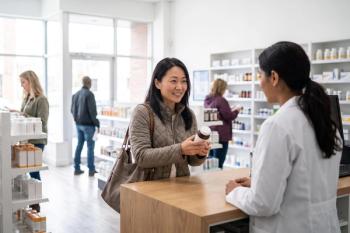
As the health care system moves toward a more sustainable model, pharmacists remain on the front lines, tasked with educating patients about the differences between unverified alternatives and FDA-approved generics. The tentative approval for Apotex's semaglutide injection signals a future where pharmacists can offer a more affordable, high-value alternative to one of the most in-demand medications on the market.1,4
By navigating these complex transitions in coverage and product availability, pharmacy professionals continue to be vital in ensuring that patients have access to safe and effective therapies amid a rapidly evolving digital and regulatory marketplace.1,4
READ MORE:
Are you ready to elevate your pharmacy practice? Sign up today for our