A claims analysis of 2031 patients aged 10 to 17 years found that nutrition counseling was infrequent and often began months after treatment started.
Lilly’s once-weekly retatrutide lowers A1C up to 2% and drives nearly 17% weight loss in type 2 diabetes, signaling a powerful triple-agonist shift.
Eli Lilly and Company announced that its investigational triple hormone receptor agonist, retatrutide, achieved significant reductions in both glycated hemoglobin (A1C) and body weight during its first phase 3 clinical trial. The trial, known as TRANSCEND-T2D-1 (
For pharmacists tracking the rapid evolution of incretin-based therapies, these results represent a potential shift from dual-agonist treatments toward a more comprehensive triple-receptor approach targeting glucose-dependent insulinotropic polypeptide (GIP), glucagon-like peptide-1 (GLP-1), and glucagon.
"For many people with type 2 diabetes, it is a struggle to achieve both A1C control and weight loss, since obesity has historically been harder to treat for those with type 2 diabetes," Kenneth Custer, PhD, executive vice president and president of Lilly Cardiometabolic Health, said in a news release. "With triple agonist retatrutide, we set out to make a molecule that could help patients achieve substantial A1C reduction and weight loss.”
The TRANSCEND-T2D-1 study reached its primary end point by demonstrating that retatrutide lowered A1C by an average of 1.7% to 2.0% across various dose levels over a 40-week period. Beyond glycemic control, the weight loss outcomes were particularly notable for a population with T2D, which has historically found substantial weight reduction more difficult to achieve than those without the condition. Participants taking the 12 mg dose of retatrutide lost an average of 36.6 pounds, representing a 16.8% reduction in body weight.
Investigators highlighted that weight loss did not reach a plateau by the end of the 40-week treatment window, suggesting that continued therapy might yield further reductions.
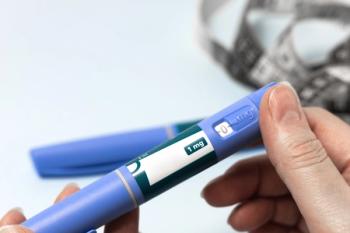
Retatrutide’s unique pharmacology distinguishes it from existing agents like semaglutide (Ozempic, Wegovy) or tirzepatide (Mounjaro, Zepbound) by adding glucagon receptor agonism to the GIP and GLP-1 backbone. This single peptide is conjugated to a fatty diacid moiety, enabling once-weekly subcutaneous administration.2,3
“These results support the remarkable potential of this novel molecule for people living with type 2 diabetes, with up to 2% A1C improvement and nearly 17% weight loss in 40 weeks of treatment,” Custer said.1
Although it is more potent at the human GIP receptor than endogenous ligands, it is slightly less potent at the GLP-1 and glucagon receptors. From a clinical perspective, the inclusion of glucagon is theorized to enhance energy expenditure and substrate utilization, potentially augmenting the weight-loss effects driven by the other 2 pathways. The drug also showed secondary clinical benefits for pharmacists to monitor, including improvements in nonhigh-density lipoprotein cholesterol, triglycerides, and systolic blood pressure.2
The safety profile observed in the phase 3 trial aligns with the established expectations for incretin-based therapies, though with some distinct considerations. Gastrointestinal adverse events remained the most common, with nausea, diarrhea, and vomiting occurring primarily during the dose-escalation phase. To mitigate these effects, the trial utilized a step-wise titration approach, starting patients at 2 mg once weekly and increasing the dose every 4 weeks until reaching target levels of 4 mg, 9 mg, or 12 mg.1,2
Interestingly, the trial also reported instances of dysesthesia—a distortion of the sense of touch—in approximately 2.3% to 4.5% of retatrutide-treated patients, though these events were generally mild and resolved during the course of treatment. Dose-dependent increases in heart rate were also noted in earlier phase 2 data, typically peaking at 24 weeks before declining.1,2
For the pharmacy community, the broader retatrutide clinical program, TRANSCEND-T2D and TRIUMPH, continues to explore the molecule's impact on diverse comorbidities. Ongoing phase 3 trials are investigating retatrutide for obesity, chronic low back pain, obstructive sleep apnea, and even knee osteoarthritis.1,3
Furthermore, phase 2 data have already suggested a significant impact on liver health, with high doses achieving up to an 82% relative reduction in liver fat content at 24 weeks, which could eventually position the drug as a treatment for metabolic dysfunction-associated steatotic liver disease.3
READ MORE:
Are you ready to elevate your pharmacy practice? Sign up today for our