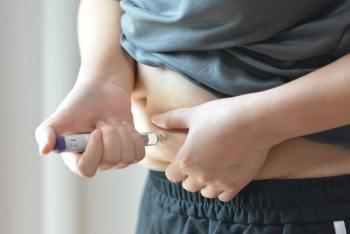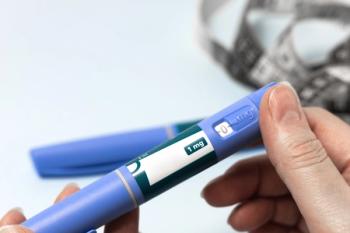
New findings suggest semaglutide's benefits may extend well beyond diabetes and weight loss and into airway disease and mood disorders.
Harm reduction for pharmacists can include person-first language and stigma-free naloxone counseling that keeps patients with substance use disorder safer.
In the decade since the opioid crisis was first declared a public health emergency, much of the national conversation has focused on stopping misuse—tightening prescribing rules and tracking controlled substances more aggressively. On the front lines, many pharmacists and mental health professionals are quietly reshaping that conversation, shifting from a policing mentality to one rooted in harm reduction, safety, and respect.
That shift is especially critical for patients living with opioid use disorder (OUD), who often navigate a health system that can feel judgmental or punitive. Stigmatizing labels—“addict,” “abuser,” “drug seeker”—don’t just harm patients; they can drive patients away from care altogether. In this environment, person-first language and a nonjudgmental approach are not matters of political correctness, as they are clinical tools that can determine whether a patient survives long enough to pursue recovery.
At the same time, the overdose-reversing medication naloxone emerged as a cornerstone of harm reduction. Once available only by prescription, naloxone is now increasingly sold over the counter, recognized as a critical safeguard not just for patients prescribed opioids but also for their children, pets, and broader communities at risk from accidental exposure. Still, many patients worry that being offered naloxone means their clinician doesn’t trust them or suspects misuse.
Alisha Nicks West, PharmD, BCPP, clinical staff pharmacist at The Menninger Clinic, explains how a harm reduction mindset—grounded in empathy, person-first language, and a safety-first approach—can transform everyday encounters at the pharmacy counter and in the clinic. From reframing naloxone as a household safety tool, like a fire extinguisher, to using prescription monitoring programs without making patients feel surveilled, she outlines practical strategies for helping people use medications more safely while preserving their dignity and autonomy.
“The patients are not wanting their providers to feel like they don't trust them and are not wanting to feel like they're being stigmatized,” she said. “Because several different things in the mental health field can be stigmatizing, so it's important to just let the patients know that naloxone is not one of those things.”