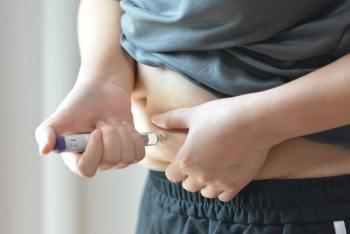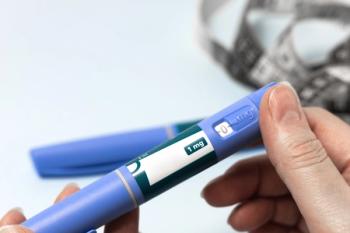
New findings suggest semaglutide's benefits may extend well beyond diabetes and weight loss and into airway disease and mood disorders.
Pharmacists can build trust in buprenorphine care, handle early refill red flags, and point patients to resources to help them with substance use disorder.
As the opioid crisis enters its second decade, physicians and pharmacists are increasingly turning to buprenorphine, a medication proven to cut overdose risk and help patients with opioid use disorder (OUD) stabilize their lives. Despite strong evidence and expanded federal flexibility around prescribing, treatment remains dramatically underused. A recent national survey found that about 5 million people in the U.S. reported experiencing an opioid use disorder in the past year, but only 17% received any form of medication treatment, said Alisha Nicks West, PharmD, BCPP, clinical staff pharmacist at The Menninger Clinic, said. The gap between what works and what’s actually reaching patients is still dangerously wide.
At the center of efforts to close that gap are pharmacists and collaborative care teams who are rethinking how buprenorphine is prescribed, monitored, and discussed with patients. For them, trust is not a soft ideal but a clinical tool. Trust shapes whether patients disclose increased stress, admit to taking extra doses, or feel safe enough to talk about a near relapse. It also determines whether red flags, such as repeated refill-too-soon requests, become punitive moments—or opportunities to reassess a treatment plan and keep a patient engaged in care.
West explains how clear communication from day one—about the pharmacist’s role, the connection to the prescriber, and what happens when red flags appear—can transform potentially adversarial encounters into therapeutic ones. She also highlights the importance of public awareness of resources like the 988 Suicide & Crisis Lifeline and FindTreatment.gov, tools designed to connect people to help long before a crisis becomes fatal.
“There is an incorrect stigma that is out there about the fact that 988 should only be used if someone is actively suicidal,” she said. “The resources are available to everyone and anyone who might need them. If you're not sure, please just call 988, and there are kind people there who are trained and willing to provide resources available.”