ACIP changes, new court rulings, and coverage gaps threaten vaccines, pharmacists’ reimbursement, and children's access through Vaccine For Children.
Community pharmacists deliver travel vaccine clinics, navigate entry rules, and update routine shots with new guidance on polio, measles, and chikungunya.
The role of the community pharmacist has undergone a transformation, shifting from a traditional dispenser of medications to a specialized provider of travel health and preventive care.1 As international travel becomes increasingly accessible and global disease patterns shift, pharmacists are uniquely positioned as first-line providers for patients preparing to cross borders.
“Community connections can lead to vaccine clinics, which, in my opinion, those are the best ways to push awareness,” Nathan Ott, PharmD, pharmacy manager at Food City, said.2 “Health departments tend to do a significant number of community clinics, and they may be able to help point you toward potential opportunities to get involved. Many employers are often receptive to the idea of hosting vaccine clinics on-site if you can contact the right person, usually in the human resources department.”
This evolution is driven by the pharmacist’s accessibility and deepening clinical expertise in complex vaccine delivery and risk assessment. For independent and community pharmacists, establishing a travel health specialty requires a systematic approach to patient care that integrates medical history, itinerary nuances, and the latest clinical developments.
A comprehensive travel clinic visit must be a systematic process that remains consistent regardless of the traveler’s destination. Experts emphasize that this assessment should center on 4 factors: the patient’s itinerary, medical history, planned activities, and the associated costs. Understanding a traveler’s specific itinerary is vital, as even a brief refueling stop in a country with endemic diseases such as yellow fever can trigger entry requirements for their final destination.1,3
Furthermore, personal medical history often dictates the intensity of counseling, such as the heightened importance of hepatitis A protection for a patient with preexisting liver disease. Activity-specific risks also play a significant role, as a cave diver faces a vastly different risk profile for rabies compared with a typical tourist in the same geographic region.1
Timing is perhaps the most challenging factor for the independent pharmacist managing a travel practice. Although the ideal consultation occurs at least 6 weeks prior to departure to allow for a multidose series, pharmacists must often accommodate last-minute travelers. In these instances, a practitioner must be well-versed in accelerated schedules for vaccines such as Japanese encephalitis or hepatitis B, while also knowing which boosters, such as those for tetanus or hepatitis A, can provide immediate benefit even if administered the day before departure.
However, some regulatory requirements are inflexible. For example, the yellow fever vaccine must be documented at least 10 days before arrival to avoid potential quarantine in many countries. This specialized knowledge allows pharmacists to guide travelers through complex entry requirements, such as those implemented by Saudi Arabia in early 2025, which mandate proof of quadrivalent meningococcal and yellow fever vaccinations for all entering travelers.4
Recent years have brought a wave of new developments in travel vaccines that pharmacists must integrate into their clinical repertoire. The 2023 FDA approval of Ixchiq, the first live attenuated vaccine for chikungunya virus, marked a significant milestone for travelers to tropical and subtropical regions where this mosquito-borne illness is prevalent.4
However, the landscape for this vaccine changed rapidly in early 2025 when a pause was recommended for its use in individuals over 60 years old due to serious adverse cardiac and neurologic reactions. A second recombinant chikungunya vaccine, Vimkunya, received approval in February 2025 for travelers as young as 12 years, adding another layer of complexity to the selection process. Similarly, the 2021 approval of TicoVac introduced the first vaccine in the United States for tick-borne encephalitis, a serious concern for hikers and adventure travelers visiting woodland areas in Europe and parts of Asia.4
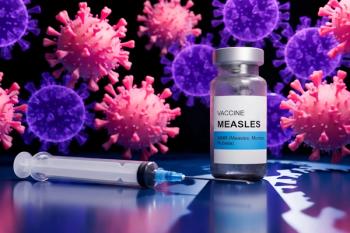
The resurgence of polio as a global health concern has also reshaped travel recommendations. Although many adults in the United States completed their routine polio series as children, those traveling to high-risk areas where the virus has been detected within the past 13 months are now candidates for a single, lifetime booster dose of inactivated polio vaccine. As of mid2024, the list of countries with circulating poliovirus included over 30 nations across Africa, Asia, and the Middle East, necessitating careful review of global epidemiological maps at every consultation. Pharmacists must also stay vigilant regarding measles, as ongoing worldwide outbreaks and the role of travelers in importing the virus to the US have made the measles-mumps-rubella vaccine a bona fide travel necessity for those without demonstrated immunity.4,5
Beyond injections, the management of oral vaccines for typhoid and cholera presents unique operational requirements for the community pharmacy. Oral typhoid vaccines are typically dispensed for self-administration at home, requiring pharmacists to provide meticulous education on the 4-dose regimen and the need for refrigeration. In contrast, the oral cholera vaccine is often prepared and administered directly in the pharmacy.1
Because this is a live attenuated vaccine, the cups and stirrers used for preparation must be handled as biohazardous waste, requiring pharmacies to integrate these materials into their existing disposal systems. Furthermore, pharmacists must ensure patients understand specific intake requirements, such as avoiding food or drink for 60 minutes before and after the cholera vaccine to ensure its efficacy.
One of the most significant insights for community pharmacists comes from data suggesting that pretravel consultations are frequently missed opportunities to update routine vaccinations. A 10-year study of US travel health sites revealed that although many travelers are eligible for routine vaccines, such as those for influenza and pneumococcal disease, these are often not administered. Specifically, 74% of pneumococcal-eligible travelers and 60% of influenza-eligible travelers did not receive these vaccines during their travel consultation.6
This is particularly problematic for travelers moving between the Northern and Southern Hemispheres, where influenza seasonality is reversed. Pharmacists can bridge this gap by recognizing that international travelers are frequently exposed to high-risk, closed-space environments, such as airplanes and cruise ships, making respiratory protection a vital component of any travel health plan.3,6
The future of travel medicine in the pharmacy setting continues to expand with emerging vaccines for diseases such as the Ebola and mpox and dengue fever. Although vaccines for Ebola and mpox have specific indications for travelers at high risk of exposure, the development of next-generation dengue vaccines remains a high priority given the massive surge in global cases. As independent pharmacists look to differentiate their practices, the shift toward comprehensive travel health offers a sustainable clinical model. By utilizing resources such as the CDC Yellow Book and establishing collaborative practice agreements with local prescribers, pharmacists can move beyond being general immunizers to become sophisticated travel health specialists.3,5
“The rapid changes in vaccine approvals and changes in recommendations present significant challenges, especially [for] retail pharmacists,” Ott said.2 “We’re very busy, and we don’t often have time to stay up to date. Continuing education can be one of the many useful tools that we use to stay up to date. Many states require immunization-specific CE to maintain vaccination authority. I think it’s a good idea for all immunizers to incorporate at least 1 such CE into license renewal every couple of years.”
REFERENCES
1. Gallagher A. Community pharmacies serve as travel vaccine and information hubs. Drug Topics. January 30, 2026. Accessed June 25, 2026. https://www.drugtopics.com/view/community-pharmacies-serve-as-travel-vaccine-and-information-hub
2. Nowosielski B, Ott N. World immunization week: pharmacist education, collaboration strengthen vaccination efforts. Drug Topics. April 29, 2026. Accessed June 25, 2026. https://www.drugtopics.com/view/pharmacist-education-collaboration-strengthen-vaccination-efforts
3. Murray HW. Vaccines for international travelers: current status and recent developments. Am J Med. 2025;138(7):1061-1067.e3. doi:10.1016/j.amjmed.2025.03.010
4. Travelers’ health. CDC. March 9, 2026. Accessed June 25, 2026. https://wwwnc.cdc.gov/travel/notices/level2/global-polio/
5. Garofoli GK. Passport to protection: best practices for travel vaccines in the pharmacy setting. Drug Topics. June 6, 2025. Accessed June 25, 2026. https://www.drugtopics.com/view/passport-to-protection-best-practices-for-travel-vaccines-in-the-pharmacy-setting
6. Kakoullis L, Rao SR, Ryan ET, Walker AT, Chen LH, LaRocque RC. Vaccination against influenza and pneumococcus during pretravel health consultations in the United States: interventions and missed opportunities. Open Forum Infect Dis. 2025;12(1):ofae761. doi:10.1093/ofid/ofae761
about 1 month ago
Transforming Community Pharmacists Into Care Providersabout 1 month ago
Securing the Supply Chain Through Interoperability and Vigilanceabout 1 month ago
Overcoming the Structural Squeeze Through Policy and Coordinationabout 1 month ago
Navigating Compounding Peptides and GLP-1s Through Regulationsabout 1 month ago
OTC: Travel Healthabout 1 month ago
How a Dual-Matrix Framework Improves Inventory Managementabout 1 month ago
Older Adults and Chronic Pain Management: Aspirin’s Past Its Prime