


New evidence links poor sleep and diabetes risk to widespread prenatal anxiety, urging pharmacists to support metabolic control and mental health.
New evidence links poor sleep and diabetes risk to widespread prenatal anxiety, urging pharmacists to support metabolic control and mental health.

In part 2 of our interview with Walgreens Chief Pharmacy Officer Rick Gates, he explored the modernization behind his organization’s newly introduced ‘hybrid pharmacist’ role.

An Iowa independent pharmacy runs a cash-pay test‑to‑treat mini clinic, which streamlines workflow and expands patient access fast.

In response to evolving serotypes and vaccine guidance, researchers assess the most effective pneumococcal vaccination strategies across Taiwan.

A veteran pharmacist launches a cost-plus, cash-only Rhode Island pharmacy, featuring AI ordering, pet medications, and CLIA testing to boost access.

Self-regulating hydrogel speeds diabetic foot ulcer healing, cutting wound area 94% in 4 weeks through smart pH-guided ion release.

Researchers aim to update and expand on register-based surveillance of severe acute respiratory infections related to Streptococcus pneumoniae in Denmark.

Combining medical, rehab, psychological, and complementary therapies offers more person-centered relief for chronic pain.

Emily Eddy, PharmD, BCACP, BC-ADM, CDCES, presents on the ever-expanding world of glucagon-like peptide-1s, now heading toward indications for chronic kidney disease and substance use disorder.

Pharmacists face alarming burnout rates, but hobbies—from horses to sports—can help protect mental health and keep patient care safer.

Rick Gates, chief pharmacy officer at Walgreens, helps introduce his organization’s innovative new ‘hybrid pharmacist’ role.

Local pharmacies deliver rapid flu, COVID-19, strep, and urinary tract infection tests with same-day treatment, easing access gaps and cutting urgent care costs.
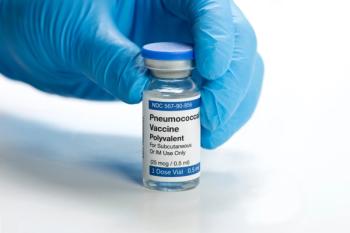
Investigators of the multicenter cohort aim to determine if the 13-valent pneumococcal conjugate vaccine impacted disease activity over a 24-month period.

A growing body of evidence suggests that the choice of glucose-lowering therapy may play a critical role in colorectal cancer prevention.

Ulcers represent one of the most serious and costly complications of diabetes characterized by a high risk of recurrence.

Benjamin Jolley, PharmD, presents on recent developments regarding pharmacy benefit manager reform on the state and federal levels.

TrumpRx offers discounted cash drug prices like a coupon card but skips PBM reform and raises concerns about deductible gaps and added pressure on independent pharmacies.
Community pharmacies turn proximity into health equity by redesigning workflows for opioid use disorder and preexposure prophylaxis.

With a slew of new GLP-1 indications approved in recent history, researchers and experts are now diving into their use in treating substance use disorders.
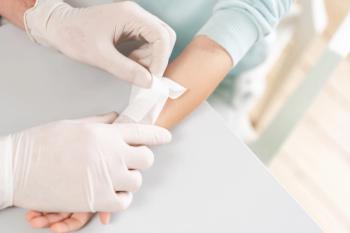
Wounds are defined as disruptions of tissue integrity that can occur in the skin, mucous membranes, or internal organs, often accompanied by pain and infection risks.

Travis Wolff, PharmD, BCACP, presents on the current landscape of medical billing in pharmacy practice and the steps pharmacists can take to realize a significantly higher profit margin.

Independent pharmacies boost retention with clear hiring expectations, structured onboarding, weekly check-ins, and real growth opportunities.

Pharmacists boost chronic disease outcomes by adding quick nutrition screening, counseling, and drug-nutrient checks to everyday visits.

Pharmacists spot diabetes risk early, explain heart- and kidney-protecting meds, decode CGM data, and find affordable support.

Orforglipron is the first new molecular entity to be cleared under the FDA Commissioner's National Priority Voucher pilot program.
In part 2, Sylvie Stacy, MD, MPH, explores the current evidence regarding GLP-1s for SUD, the work still necessary in the future of this space, and where pharmacists fall within it all.

This issue discusses independent pharmacies retaining talent, navigating TrumpRx and MFN drug pricing shifts, and confronting pharmacy benefit manager power to protect community care.

The intersection of nutrition and pharmacy is a critical, yet often underutilized, frontier in modern health care.

In this episode, host Taylor Watterson, PharmD, PhD, welcomes Emily Hoffins, MS, PhD, postdoctoral researcher in the SCRPTS Lab at the University of Illinois Chicago Retzky College of Pharmacy.

Suzanne K. Higginbotham, PharmD, BCACP, CTTS, CDCES, further discusses her APhA 2026 presentation titled “Real-Time. Real Change. Rethinking CGM for Today's Patient.”