The novel tool can be used to inform vaccine policy, monitor impact, and essentially strengthen overall surveillance.
In response to evolving serotypes and vaccine guidance, researchers assess the most effective pneumococcal vaccination strategies across Taiwan.
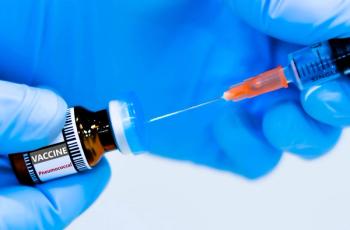
Pneumococcal vaccination guidelines for at-risk adults are updating to keep pace with evolving bacterial strains and new high-potency vaccines, according to the Journal of Microbiology, Immunology, and Infection.1
“Pneumococcal infections, caused by Streptococcus pneumoniae (commonly known as pneumococcus or [S. pneumoniae]), remain a major public health concern. Pneumococcus commonly colonizes the human respiratory tract and spreads from person to person through direct contact with saliva or respiratory secretions,” wrote the authors of the study. “These infections vary in severity, ranging from non-invasive conditions such as sinusitis, otitis media, and non-bacteremic pneumonia to invasive pneumococcal diseases (IPD), which include bacteremia, bacteremic pneumonia, empyema, and meningitis.”
The landscape of adult immunization is undergoing a transformative shift as clinicians and pharmacists respond to the evolving threat of IPD. Leading this transition, 8 national academic societies in Taiwan recently collaborated to release comprehensive guidance for adult pneumococcal vaccination, emphasizing the need for strategies tailored to local epidemiology and individual risk factors.1
This effort reflects a broader global urgency, as
READ MORE:
Pneumococcal infections, caused by the gram-positive bacterium S. pneumoniae, range from common conditions like sinusitis to life-threatening syndromes, including bacteremia and meningitis.3,4 Although routine pediatric vaccination has successfully lowered the overall disease burden through herd immunity, the persistence of specific strains like serotype 19A and the rise of multidrug-resistant strains such as 15A and 23A continue to challenge public health.1,2
In response to these dynamics, both Taiwanese and US authorities have expanded routine vaccination recommendations to include all adults 50 years and older—a significant change from the previous threshold of 65 years.1,3,5 This expansion is particularly crucial for individuals with chronic medical conditions like diabetes, heart disease, or chronic obstructive pulmonary disease, as well as those with immunocompromising conditions such as HIV, multiple myeloma, or those undergoing organ transplants.1,4
The introduction of higher-valency pneumococcal conjugate vaccines (PCVs), specifically PCV20 and PCV21, has simplified the clinical approach by offering robust protection often achievable in a single dose. In Taiwan, these vaccines are proposed as effective alternatives to complex sequential strategies that previously required multiple doses of different vaccine types spaced a year apart.1,5
PCV21 is of particular interest because it targets 8 emerging strains not covered by previous vaccines, though its use is most appropriate in regions where older serotypes are already well-controlled. Pharmacists utilizing digital tools to navigate these complex recommendations—such as the CDC’s PneumoRecs VaxAdvisor app—must ensure they are accessing information through secure, verified platforms, occasionally managing technical requirements like browser security checks to maintain the integrity of patient guidance.1,3,5
Pharmacists must also remain vigilant regarding local serotype variations; for example, though PCV21 offers broad coverage for emerging strains, it lacks the original serotypes found in earlier vaccines like PCV7, which may still circulate in certain regions or among international travelers. Furthermore, in the US, specific concerns have been raised about serotype 4, which has reemerged in certain western regions and among specific risk groups, potentially influencing the choice between different conjugate vaccines.1,3
Pharmacists can further optimize patient outcomes by co-administering pneumococcal vaccines with seasonal influenza or COVID-19 shots, a practice that has been shown to be safe and effective in reducing the risk of severe coinfections during respiratory seasons.
By moving toward a shared decision-making model that considers an individual’s age, health status, and prior vaccination history, pharmacists can ensure that adult patients receive the most effective protection against the shifting landscape of pneumococcal disease.
“The recommendations in this guidance are based on current epidemiological data and available clinical evidence and are intended to give health care providers clear guidance for selecting an optimal vaccine strategy for protecting at-risk adults against pneumococcal disease,” concluded the authors of the study.1 “Ongoing surveillance and periodic reassessment and updates of these recommendations are necessary to ensure that adult pneumococcal vaccination strategies remain optimal and provide the broadest and most effective protection for vulnerable populations.”
READ MORE:
Are you ready to elevate your pharmacy practice? Sign up today for our