

Data on excess deaths in high-income countries show the male mortality disadvantage during COVID-19 is concentrated in the pandemic's earliest phase.
Data on excess deaths in high-income countries show the male mortality disadvantage during COVID-19 is concentrated in the pandemic's earliest phase.

Counseling, team-based care, and tailored pharmacy interventions remain among the most effective tools against medication nonadherence in the United States.

The approval gives pharmacists a new, nonegg-based seasonal influenza option for adults 50 and older ahead of the 2026-2027 flu season.

Empathy amongst patients’ most trusted health care providers can translate to better outcomes and health care delivery.

Oveporexton, an oral orexin receptor 2 agonist, is the first medicine to restore orexin signaling rather than manage symptoms of the rare sleep disorder.
Following multiple exits in this role throughout President Trump’s second term, the new director’s tenure is reported to be permanent going forward.

This medication is the first FDA-approved OTC innovation in the cold and flu category in 14 years.
Episode 13 assesses the evolution of MASH, how it’s managed by pharmacists, and how it provides another avenue for improving cardiometabolic disease.
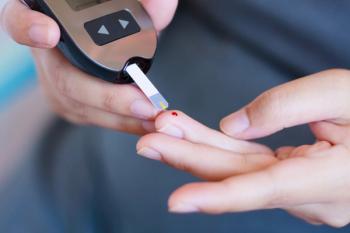
A study finds treated diabetes prevalence climbs steadily for 5 years after antipsychotic start, even with brief exposure.

Community pharmacists use medication therapy management and point-of-care testing for improved hemoglobin A1C, BP, and lipid assessment as well as adherence.

In part 2 of our conversation with Duane Jones, BS Pharm, he moves from nonopioid alternatives to the new and multidisciplinary approaches toward post-operative pain protocols.
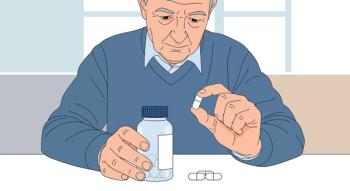
In a case study based in a community pharmacy, researchers assess the dosage regimen of an older polymedicated patient to improve adherence and pharmacotherapy.
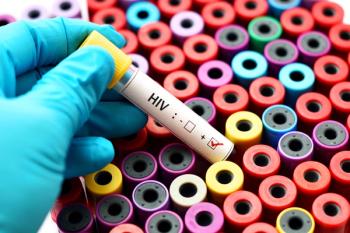
Results from a trial show injectable cabotegravir plus rilpivirine reduced viral rebound compared with daily oral therapy.

Community and independent pharmacists are beginning to test whether they can help fill the resulting gaps in medication management for older adults.

Researchers highlight the importance of vaccination for the risk reduction needed across the pediatric population.

With its popularity increasing on TikTok, melanotan II has been given monikers like ‘vacation peptide’ and ‘Barbie drug’ because of its effect on the skin.

Duane Jones, BS Pharm, shares some of his expert knowledge into why opioids were never the right pathway for patients experiencing acute or chronic pain.

What ties this issue together is not the size of the pharmacy involved but the resourcefulness required to keep serving patients.

Centuries of vaccine science saved more lives than any other intervention, and pharmacists matter now more than ever.
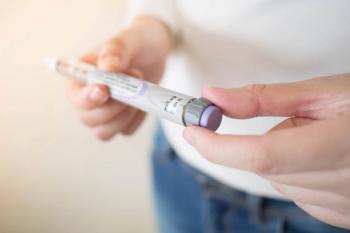
The rapid-acting insulin aspart biosimilar adds a third interchangeable option to NovoLog, with implications for pharmacy dispensing and counseling.
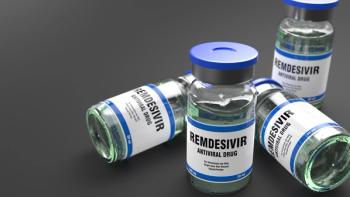
A target trial emulation found early remdesivir initiation was associated with reduced 1-year risk of graft loss and cardiovascular events.
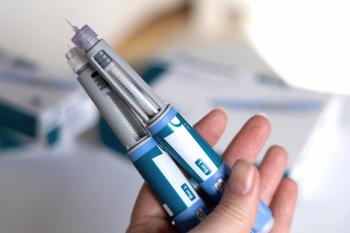
Every pattern of hormonal contraceptive use was associated with subsequent semaglutide initiation, a signal pharmacists and prescribers should watch for.

Among adult patients experiencing a transfer to skilled nursing facilities, researchers provide a detailed look into medication restart patterns following deprescribing.
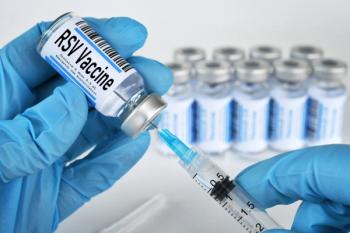
New survey data reveal information gaps in respiratory syncytial virus immunization decisions.

Based on discussions from a recent webinar debate on the 340B Drug Pricing Program, we’re revealing how differently key stakeholders see a program that pharmacists participate in every day.

Voluntary licensing agreements covering 129 low- and middle-income countries arrive as phase 3 trials continue.

In a technologically advanced health care landscape, solutions to address language barriers are necessary and can be the difference between life and death for complex medication regimens.

Large trial emulation study finds a 21% reduction in 3-year fracture risk compared with DPP-4 inhibitors, independent of weight loss or glycemic changes.

As extreme heat becomes more frequent, common prescription and OTC medications can raise a patient's risk of heat illness and sunburn.
As COVID-19 shifts from emergency response to routine care, persistent inequities in vaccine access are quietly resurfacing.