








































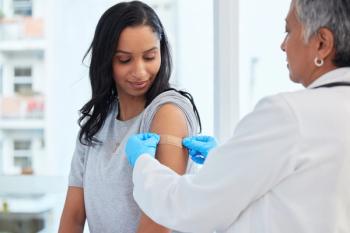
A conversation with Lauren Angelo, PharmD, MBA, associate dean of academic affairs and associate professor of pharmacy practice at Rosalind Franklin University of Medicine and Science College of Pharmacy.
A conversation with Lauren Angelo, PharmD, MBA, associate dean of academic affairs and associate professor of pharmacy practice at Rosalind Franklin University of Medicine and Science College of Pharmacy.

David Ha, PharmD, BCIDP, discusses why pharmacies should begin offering more vaccines and how they can better market their services to the community.

The first of a 2-part presentation focused on vaccines for COVID-19, flu, RSV, and pneumococcal disease.

As the H5 bird flu outbreak gradually impacts human health in the US, health care experts weighed in on possibilities of a future vaccine.

Analyzing outcomes from the COVID-19, influenza, and pneumococcal vaccines, researchers explored the effectiveness and patient hesitancy surrounding each vaccine.

The new recommendations suggest vaccination at age 50, rather than age 65.

Abrysvo is the only RSV vaccine approved for use in this age group.

Researchers explored the overall efficacy of various pediatric vaccines and their effects on antibiotic use, while also addressing vaccine hesitancy among parents.

Pharmacist education can positively impact patient counseling around vaccinations in older adults.
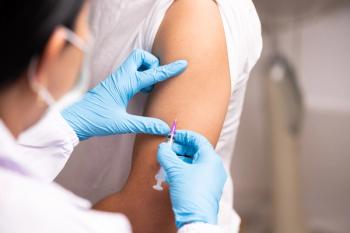
Vaccination against HPV can prevent thousands of cases of cancer each year.

Three RSV vaccines are currently FDA approved for use in adults aged 60 or older.

Cases of meningococcal disease currently exceed prepandemic levels.

Dozens of presentations at IDWeek 2024 focused on available immunizations, such as those for COVID-19, respiratory syncytial virus, and flu.

Researchers addressed the prevalence of RSV and its associations with immunization, infection, and hospitalization amongst older adults.

GSK’s respiratory syncytial virus vaccine continued to provide adults aged 60 years and older with clinically meaningful protection.

Researchers analyzed the potential role of nonphysician health care providers to provide vaccine services outside of traditional health care settings.

The pilot Will Evaluate Measure Concepts and Data Exchange in Value-Based Arrangements.

Research presented at CHEST 2024 outlined the heart failure risks associated with COVID-19 infection and emphasized the importance of vaccination to prevent adverse outcomes.

Researchers suggest that vaccine champion programs could be a promising avenue to increasing immunization rates.

Many public health officials aren’t surprised by the decline in vaccine coverage, although its underlying causes present unique challenges.
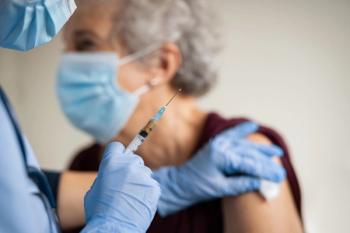
Investigators suggested that the future cost-effectiveness of respiratory syncytial virus (RSV) vaccination could be improved through lower vaccine prices and longer-lasting protection.
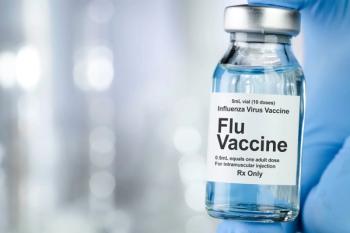
Researchers addressed the association between older individuals who received an influenza vaccine and their risk of stroke following vaccination.

The National Foundation for Infectious Diseases released a survey regarding the feelings of US adults toward influenza, COVID-19, RSV, and pneumococcal disease.

Researchers aimed to address how community pharmacies target vulnerable groups regarding the promotion of vaccinations.

Catch up on important immunization news from the month of September.