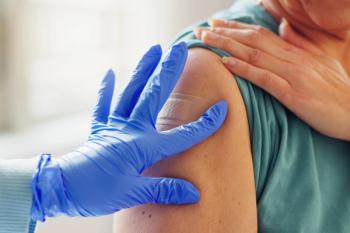
Researchers assessed the extent of which vaccine fatigue translates to reduced engagement and adherence among patients.
Although several vaccines are still being recommended, a variety of those protecting against respiratory viruses and other diseases have been narrowed on child vaccine schedules.
The US Department of Health and Human Services (HHS) announced Monday that it’s narrowing childhood vaccine recommendations for respiratory syncytial virus (RSV), meningococcal disease, hepatitis B, and hepatitis A. According to a CNN Health article, HHS—helmed by Robert F. Kennedy Jr.—will also be moving recommendations regarding flu, COVID-19, and rotavirus to the shared clinical decision-making model, where parents explore vaccine options with their children’s providers.1
Many supporters of this decision and the current administration believe health care decisions should be given back to the families of young and newborn children. However, throughout a slew of HHS actions as well as those from other government health care agencies, many experts believe the administration’s target on vaccines is an extreme public health risk.
“Some public figures have falsely implied that the number of recommended vaccines for children in the United States could be linked to chronic health conditions or autism and have called for retesting proven immunizations,” wrote authors of an American Academy of Pediatrics article.2 “Others have claimed that the US childhood vaccine schedule is unsafe or unnecessary because the United States recommends more routine vaccines than some countries, like Denmark.”
READ MORE:
Stemming from political polarization surrounding the COVID-19 pandemic, vaccine hesitancy has been a key health care challenge as critics and experts argue about their safety, efficacy, development, and more. Despite several medical experts expressing their concerns regarding anti-vaccine sentiment, on top of the continued evidence of vaccines’ success, HHS is still risking a result of more confusion and distrust and lower vaccine rates.3
That is what David Margolius, MD, the director of public health for the city of Cleveland, told NBC News upon announcement of the HHS childhood vaccine overhaul. Although he believes the best-case scenario is simply minimal to no changes across public health, he’s also concerned about a domino effect of anti-vaccine sentiment in the US.
This announcement comes at a significant time as the US heads into the throes of respiratory virus season, which has already resulted in 9 pediatric deaths so far.1 Although experts believe this overhaul of vaccine guidance will certainly not slow down flu-related deaths among children, it’s HHS’ approach to shifting recommendations that is causing backlash from public health experts.
One example of the US potentially approaching public health dangerously is through its most favored nation sentiments. This is where the government is attempting to model the price of US drugs and medical services to that of other developed nations to ameliorate the burden of health care costs for US patients.4
“In 2024, the US recommended more childhood vaccines than any peer nation and more than twice as many doses as some European nations,” wrote authors of the HHS press release announcing the update.5 “At the lower end is Denmark, which immunizes children against 10 diseases compared to a total number of 18 diseases for which protection was provided in 2024 in the US.”
However, experts like Anders Hviid, vaccine safety and effectiveness research lead at the Statens Serum Institut in Denmark, believe public health is not one-size-fits-all and that the US and Denmark are very different countries.1
“[In Denmark], everyone has access to excellent prenatal and childhood care. As I understand it, that is not the case for everyone in the US,” he said. “Vaccines prevent infections that may have poor outcomes for children who do not have access to good health care.”
According to the press release, this decision was based on an HHS-conducted “scientific assessment” comparing childhood vaccine guidance with peer nations while analyzing a variety of factors that contribute to vaccine use. The main finding across 20 peer nations was that the US had significantly more vaccines to recommend to children, leading HHS to recommend fewer immunizations going forward.5
Director of the CDC Jim O’Neill signed a memorandum to officially support the scientific assessment. “The data support a more focused schedule that protects children from the most serious infectious diseases while improving clarity, adherence, and public confidence,” he said.
These are major nationwide changes affecting millions of patients. However, what many reports have deemed an “overhaul” of vaccine recommendations is really just a pulling-back of commonly administered vaccines. Despite flu, COVID-19, RSV vaccines, and others going to shared decision-making models, HHS will continue to recommend the measles, mumps, and rubella; polio; chickenpox; and HPV vaccines.1
However, it does not seem like debates on vaccine recommendations and efficacy will stop anytime soon, as vaccine champions continue to support their safety and efficacy amid unprecedented anti-vaccine sentiment from the presidential administration and its supporters.
“De-recommending will likely lead to lower uptake,” concluded Hviid,1,3 “leaving more children exposed to infectious disease, both among those that choose not to get vaccinated and those too young or in vulnerable populations that depend on indirect protection through herd immunity.”
READ MORE:
Ready to impress your pharmacy colleagues with the latest drug information, industry trends, and patient care tips? Sign up today for our