










































The vaccine, VAX-31, targets 20 serotypes in common with PCV20, as well as 11 additional serotypes.
The vaccine, VAX-31, targets 20 serotypes in common with PCV20, as well as 11 additional serotypes.
The protein-based vaccine includes a monovalent component corresponding to the Omicron variant JN.1 strain.
Catch up on important immunization news from the month of August.

Chijioke Bennett, executive director of clinical development at Novavax, discusses how health care providers can increase awareness around the importance of COVID-19 vaccines.

Emergent BioSolutions has announced that it will donate 50,000 doses of ACAM2000 for potential deployment across affected areas in Central Africa.

Chijioke Bennett, executive director of clinical development at Novavax, discusses how health care providers can increase awareness around COVID-19 vaccination and how to help patients overcome vaccine hesitancy.
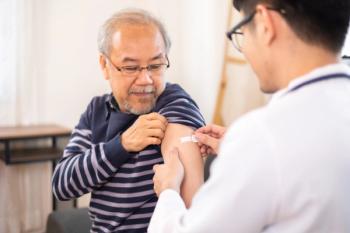
“While seasonal variation exists, it is expected that seniors will continue to benefit from flu vaccines that are stronger than the traditional standard-dose vaccines,” wrote investigators.

Novavax is still awaiting FDA authorization for their protein-based COVID-19 vaccine.
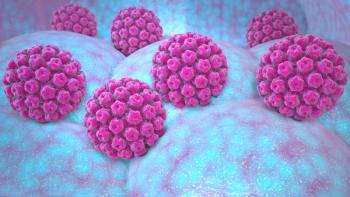
Access inequities are preventing the US-affiliated Pacific Island (USAPI) jurisdictions from meeting the WHO 2030 goal of 90% human papillomavirus (HPV) vaccination series completion coverage.
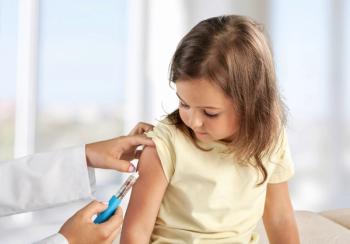
A CDC report called for “increased efforts” to ensure parents can obtain all recommended vaccines for their eligible children and realize the full potential of the VFC program.

TAK-003 could be a powerful combatant against the increasing global threat of dengue virus.

The composition of the latest flu vaccine has changed. Here’s what pharmacists need to know.
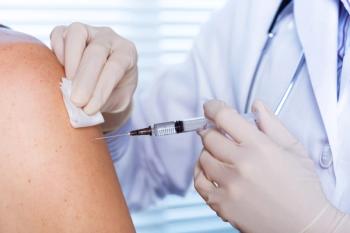
The technology from Diakonos Oncology initiates a natural immune response that targets and eliminates cancer cells by activating cytotoxic TH1 cell signaling pathways.

Catch up on important immunization news from the month of July.

MK-1654 (clesrovimab) met its primary efficacy endpoint of incidence of patients with RSV-associated medically attended lower respiratory infections (MALRI) through Day 150.

All participants in the phase 3 clinical trial have completed their primary vaccination series.

“If people think COVID is no big deal and decide to forgo vaccinations, they’re essentially doubling their risk of developing long COVID,” wrote investigators.

Updated vaccines are expected to be available in the coming months.

Global coverage for diphtheria, tetanus, and pertussis has reached its lowest point in 15 years.

Researchers are evaluating the safety, tolerability, and immunogenicity of shingles vaccine candidate Z-1018.

Current recommendations suggest women receive the RSV vaccine between 32 and 36 weeks' gestational age.

“Adding this technology to our pandemic flu toolkit enhances our ability to be nimble and quick against the circulating strains and their potential variants,” said Dawn O’Connell, assistant secretary for preparedness and response at the HSS.
The updates follow the Advisory Committee for Immunization Practice meeting held June 26 to 28, 2024.
Research presented at ASHP 2024 found that concerns around the safety of COVID-19 vaccines and the credibility of information from public health authorities were the biggest drivers of vaccine hesitancy during the COVID-19 pandemic.

The vaccine covers 8 serotypes not currently covered by any FDA-approved pneumococcal vaccines.