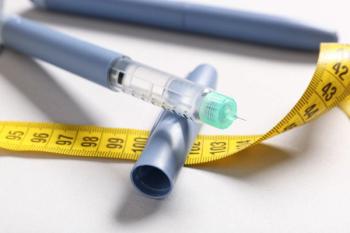
A study finds children starting continuous glucose monitoring within a month of diagnosis sustained lower hemoglobin A1C than those who started later.
Pharmacists play a crucial role in preventing cardiometabolic conditions through screenings, risk assessments, and lifestyle interventions, enhancing public health.
As rates of cardiometabolic conditions such as diabetes, hypertension, and heart disease continue to rise, pharmacists are emerging as key players in prevention. From in-pharmacy screenings to comprehensive risk assessments, today’s pharmacists are uniquely positioned to identify at-risk patients early, guide lifestyle interventions, and connect individuals to needed care—transforming the pharmacy into a vital front line in public health.
Brittany Messer, PharmD, FACC, a clinical pharmacy specialist practicing with the cardiology department at Marshall Health in Huntington, West Virginia, noted pharmacists are often involved in interdisciplinary teams in primary care and specialty settings.
“Under formal collaborative practice agreements or protocols approved by the health care system, clinical pharmacists can monitor labs, manage disease states, and order or refer for certain screening tools,” she said. “In the community pharmacy setting, pharmacists can use point-of-care testing for screening of diabetes and dyslipidemia.”
Lavinia Salama, PharmD, BCACP, BCGP, BC-ADM, CDCES, assistant professor of pharmacy practice at Long Island University, noted pharmacists in many settings are well qualified to screen patients early for cardiometabolic syndrome.
“Community pharmacists, in particular, are the most accessible health professionals, often seeing patients more frequently than primary care providers,” she said. “In addition to dispensing medications and providing vaccinations, they offer services such as blood pressure checks, point-of-care [hemoglobin A1c (HbA1c)] and cholesterol testing, and counseling on OTC products that may affect cardiometabolic health.”
Further, in many community settings, pharmacists are already checking blood pressure, blood glucose, HbA1c, and even cholesterol through point-of-care testing, Jane Moon, PharmD, FCCP, BCACP, professor at the University of Minnesota College of Pharmacy, said.
“Because we see patients regularly for prescription refills, we’re uniquely positioned to identify early warning signs or even gaps before they escalate into complications,” she said. “Simple, validated tools work best in busy pharmacies. For example, the Framingham Risk Score can be administered quickly alongside blood pressure and glucose checks. These tools flag patients who need formal evaluation without overwhelming pharmacy workflow.”
After all, nearly every pharmacy has a blood pressure machine, and many are expanding into Clinical Laboratory Improvement Amendments–waived testing for glucose and lipids. These encounters create natural opportunities to identify early warning signs of hypertension, prediabetes, or dyslipidemia, which affect more than 47 million Americans.
“Beyond screening, pharmacists also play a safety role through medication therapy management, catching drug-drug interactions, identifying patients missing guideline-directed therapies, and bridging communication gaps between specialists and primary care,” Salama said. “This ability to connect the dots makes pharmacists integral to cardiometabolic management.”
Pharmacists can spot gaps when someone picks up medications without corresponding monitoring.
“A patient on antihypertensives who hasn’t had a blood pressure check in months, or someone who’s consistently late on refilling their medication—those are cues we look for,” Moon said. “Many people who skip regular doctor visits still come to the pharmacy, giving us an opportunity to intervene early.”
Community pharmacies thrive when risk assessment tools are quick, validated, and easy to integrate into workflow.
Derek Dennis, PharmD, vice president of client services for Clearway Health, noted that to screen for diabetes, pharmacists commonly combine the CDC/American Diabetes Association Diabetes Risk Test with HbA1c or glucose point-of-care testing to identify patients at risk. Hypertension assessments follow the American College of Cardiology/American Heart Association guidelines, using standardized in-pharmacy blood pressure measurements or home monitoring protocols.
“For cardiovascular and lipid risk, the ASCVD [atherosclerotic cardiovascular disease] 10-Year Risk Estimator is frequently used to determine statin eligibility and preventive strategies, often supplemented by [body mass index] or waist circumference to account for obesity-related factors,” he said. “For amyloid cardiomyopathy [ATTR-CM], pharmacists use red flag comorbidities to identify patients at high risk of developing ATTR-CM and link them to a specialist for further assessment and diagnostic procedures.”
Additionally, pharmacists help increase access to care in the ambulatory and community settings, as they are more available to assist in direct patient care, whereas patients may have longer wait times to be seen in a clinic by other health care providers.
“With background knowledge of screening tools and certain disease states, pharmacists can identify patients to whom they can offer certain screening tools and direct to the appropriate setting for further management,” Messer said. “By early detection, pharmacists increase chances of quick management and better overall health.”
Because cardiometabolic conditions often begin with excess adiposity, prompt lifestyle interventions are critical.
That’s why pharmacists need to stay up to date with clinical guidelines, follow journals or medical magazines, and participate in continuing education to keep up with the latest on cardiometabolic conditions.
“Online screening tools and calculators are available for pharmacist use, and certain technologies are available depending on the company or health system that can help,” Messer said.
Moon added that pharmacists need standardized training in interpreting results, counseling, and referral protocols as well.
“Access to continuing education in chronic disease management, as well as diabetes prevention, hypertension guidelines, [and] lipid management—these are the touchpoints that need to be pushed, as they are just as important as having primary care,” she said.
Collaboration works best when communication is direct. Shared electronic health records and secure communication methods allow pharmacists to send screening results straight to physicians.
“In some regions, pharmacists already participate in collaborative practice agreements, where we can initiate therapy for hypertension or adjust diabetes medications under physician oversight,” Moon said. “It’s in the early phases, but the outlook is positive.”
9 months ago
OTC Products: Cold and Flu10 months ago
Taking Care of Every Patient in Every Pharmacy10 months ago
Delgocitinib Improves Patients’ Chronic Hand Eczema