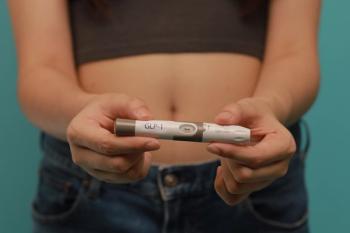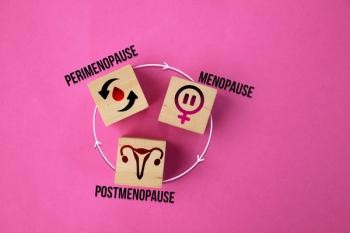
Data assessing Novo Nordisk’s investigational diabetes and obesity medication were presented at The Menopause Society's 2026 Annual Meeting.
Person-centric packaging enhances medication adherence for type 2 diabetes patients, simplifying therapy and improving outcomes, according to recent studies.
Person-centric packaging, featuring clear instructions, structured layouts, and distinctive visuals, is beneficial for adherence support and therapy management for patients with type 2 diabetes (T2D), according to results of a study published in Cureus. Investigators noted that further studies are needed to validate the perceptions and causal relationship between package design and adherence outcomes.1
“Medication packaging has traditionally been treated as an afterthought in drug development, finalized only once formulation and dosing are in place,” the study authors said.1 “However, in chronic diseases like T2DM, where long-term adherence is essential, packaging may play an important supporting role in adherence.”
In another study, investigators aimed to measure adherence among patients with diabetes and determine risk factors that influence adherence. In a hospital-based cross-sectional study from January to March 2020, 331 patients were interviewed, with 57.1% being male. The investigators reported that 34.14% of patients were adherent to their medication. Further, they identified increased odds for poor adherence as having any comorbidity (3.26 times), a family history of diabetes (1.88 times), and current use of alcohol (2.35 times).2
Interventions by community pharmacists can help improve medication adherence. In a study published in BMJ Quality & Safety, investigators found that patients receiving a pharmacy intervention had an odds ratio of 5.12 for being adherent after 6 months. Further, patients in the intervention group also had lower diastolic blood pressure levels, clinical chronic obstructive pulmonary disease scores, and lower asthma control questionnaire scores across disease-specific outcomes.3
Investigators aimed to determine health care professionals’ perceptions of the impact of person-centric packaging on adherence, patient preference, and therapy simplification. In the study, patients received fixed-dose combinations of dapagliflozin, glimepiride, and metformin, and the study was conducted between November and December 2024. The survey questionnaire underwent development, validity assessment, pilot testing, and reliability assessment prior to the survey being conducted. The survey was sent via a unique survey link to the health care provider’s registered email.1
There were 262 health care professionals from India included, with 186 being consultant physicians, 32 being diabetologists, 28 being cardiologists, 13 being endocrinologists, and 3 being from another specialty. Of the respondents, 80.9% agreed that the fixed doses of the 3 medications significantly reduced pill burden and simplified therapy for patients. They also stated that a single combination pill instead of 3 medications contributed to improved patient adherence. As for affordability, 80.2% of physicians agreed that the fixed-dose combination was more affordable than the 3 separate medications. However, 13% of respondents did not find a financial advantage of this method. Approximately 80.9% reported that the cost savings were directly influenced by patient adherence.1
In the Pearson correlation analysis, investigators noted that there were significant positive relationships between the affordability of the fixed-dose combinations and factors that influenced medication adherence, therapy success, and patient engagement.1
“Our findings reflect strong clinician support for PCP [person-centric packaging], particularly in its ability to reduce pill burden, simplify therapy, and make treatment easier to follow,” the study authors said.1 “Importantly, 83.2% also felt that packaging played a role in improving adherence, supporting earlier findings on the benefits of structured packaging.”