




Diabetes
Latest News
Advertisement
Latest Videos
CME Content












































Advertisement
More News

Amid increased advancements in diabetes management, Diana Isaacs, PharmD, BCPS, BCACP, BC-ADM, CDCES, discussed how these developments are currently impacting the delivery of insulin.

Seven major clinical trials reveal semaglutide’s expanding benefits beyond glucose control, showing promise in kidney, heart, liver, vascular, and obesity-related outcomes.

Diana Isaacs, PharmD, BCPS, BCACP, BC-ADM, CDCES, discusses how diabetes advancements like GLP-1s and CGM have impacted the management of insulin.

Diana Isaacs, PharmD, BCPS, BCACP, BC-ADM, CDCES, joins Drug Topics to discuss her extensive background in managing patients’ insulin regimens.

Diana Isaacs, PharmD, BCPS, BCACP, BC-ADM, CDCES, discusses the importance of insulin delivery and the common barriers pharmacists face in managing patients’ regimens.

Patients with a single cardiometabolic disease have an approximately 48% greater risk of developing all-cause dementia than those without a cardiometabolic disease.

Researchers explored the effectiveness of telephonic insulin titration by a clinical pharmacist compared with in-office titration among patients in a medical residency clinic.

Efsitora demonstrates noninferior reductions in hemoglobin A1c and similar rates in patients with an A1c level less than 7% compared with common daily insulin.
Investigators also report that sodium-glucose cotransporter 2 inhibitors are not associated with thrombotic risk.
Following his presentation at the American Diabetes Association’s 85th Scientific Sessions, Jon Easter caught up with Drug Topics to discuss the pharmacists’ role in diabetes management.

Researchers explored patients with type 1 diabetes and overweight or obesity to understand the efficacy and safety of GLP-1s as adjunctive therapies.

In a recap of his presentation at the American Diabetes Association’s 85th Scientific Sessions, Jon Easter, RPh, discussed the role of pharmacists in team-based diabetes care.

In an abstract presented at the American Diabetes Association 85th Scientific Sessions, researchers tested the effectiveness of an AI-driven program for improving glycemic control.

Jon Easter, RPh, discusses pharmacists’ ability to improve patient engagement in diabetes care following his presentation at the American Diabetes Association’s 85th Scientific Sessions.

Jon Easter, RPh, joined Drug Topics to discuss pharmacists’ roles within health care teams following his presentation at the American Diabetes Association’s 85th Scientific Sessions.

Clinical pharmacists transform diabetes care by leveraging manufacturer-sponsored patient assistance programs to dramatically improve medication access.

An ambulatory care pharmacist program in Washington State dramatically improved diabetes management by reducing A1c levels, increasing medication adherence, and providing comprehensive patient education.

Results from the CATALYST trial showed patients who received mifepristone had a mean HbA1c reduction of 1.47%,

Nathan Ramsbacher, PharmD, emphasizes that one of the most significant barriers to clinical quality is patients' inability to access crucial medications due to cost.
From 2019 to 2024, GLP-1 prescriptions among pediatric patients with type 2 diabetes increased from 12.3% to 60.9%.
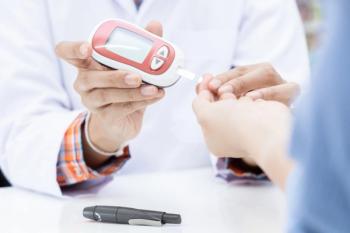
The most frequent barriers to access to glucagon include cost, patient health literacy, and insurance coverage.

The initiative focuses on managing medications for high-risk diabetes patients through a collaborative drug therapy agreement.

Researchers presented an abstract describing current racial disparities in CGM access and wear time to better inform quality improvement efforts.

Researchers explored the impact of a $0 copay program on hemoglobin A1c levels in patients with type 2 diabetes who were also insured by Blue Cross and Blue Shield of Louisiana.

Data presented at ADA 2025 showed patients who received outreach from a clinical pharmacist were more likely to be prescribed safer diabetes regimens.
Advertisement
Advertisement
Trending on Drug Topics
1
Pharmacist Roles, Risks in Guiding AI-Enabled Medical Device Use
2
American Pharmacists Month: The Importance of Pharmacy-PBM Relationships
3
Q&A: Why Enforcement Is the Weak Link in State PBM Reform | NCPA 2026
4
FDA Approves Bepirovirsen Injection to Treat Chronic Hepatitis B
5