









Pharmacists expand into vaccines and telehealth, but state laws and reimbursement gaps persist.
Pharmacists expand into vaccines and telehealth, but state laws and reimbursement gaps persist.

Beyond medications, lifestyle modifications can also help patients curb allergy symptoms.

Medicare’s new GLP‑1 bridge program launches soon, easing access without shortages, and pharamcists are at the focal point of these transitions.

With value-based care initiatives on the rise in the US health care system, one partnership in Ohio is showing early signs of significant success.

CMS pilots BALANCE and GLP-1 Bridge models to widen Medicare/Medicaid obesity drug coverage, spotlighting pharmacists’ role in access and safe therapy.

A PQA program shows how value-based pharmacy contracts, shared metrics, and better data boost immunizations and patient outcomes beyond dispensing.

Because pharmacists can review both prescription and refill histories, they are uniquely positioned to spot patterns of underuse or overuse of allergy and asthma medications.


Pharmacy leaders face rapid change, which can boost agility and automate repetitive tasks.

Community pharmacists can help manage worsening wounds, coordinate rural care teams, and overcome time and scope limits to improve healing.

Pharmacies can use technology and artificial intelligence to cut specialty drug complexity, boost access and adherence, and help pharmacists guide patients.


Real-time prescription pricing and auto-applied discounts cut pharmacy counter surprises, speed therapy, and free pharmacists for patient-focused care.

Lower patient caps shift costs to community pharmacies, fueling pharmacy benefit manager fees, mail-order growth, and pharmacy deserts.

Pharmacists can review medications that delay wound healing, helping patients choose safer care and avoid infections.
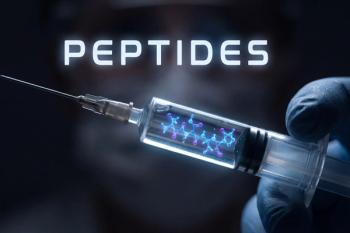
As the “peptide craze” fuels a surge in unregulated vendors, pharmacists must serve as critical navigators to steer patients toward safe, pharmaceutical-grade alternatives.

Nathan Ott, PharmD, discusses the evolution of pharmacists’ role in vaccine administration and how that role has changed since the COVID-19 pandemic and prior.
In an evolving pharmacy landscape, accreditation can be difficult to manage, which is why experts like Mitch Lamb, PharmD, can steer businesses onto their desired paths.

Community pharmacists can spot chronic wound red flags, boost diabetes control, and guide prevention for faster healing and safer care.

Pharmacists cut through wound-care aisle confusion, explaining simple steps, moist healing, and when basic dressings beat pricey ointments.

Sally Rafie, PharmD, BCPS, discusses current developments regarding access to the abortion pill and other notable events regarding women’s reproductive rights.

The most common mistake pharmacists can make when promoting their new clinical service is not marketing it.
With a 7-year target date, the FDA is moving away from 10-digit NDCs and toward a universal 12-digit format.

Community pharmacists deliver fast wound assessment, OTC guidance, and prevention tips, supporting safe healing when clinics are closed and care feels urgent.

Community pharmacy workflows can support medical billing and new clinical services, empowering technicians and freeing pharmacists for patient care.
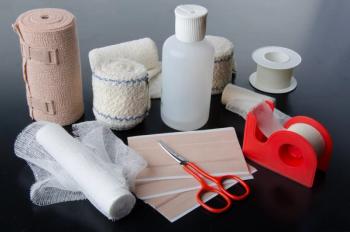
Community pharmacists guide minor wound care—clean, protect, and monitor—spot infection risks, and refer serious injuries quickly to prevent complications.
With workforce and work-life balance issues plaguing pharmacy, the newly introduced hybrid pharmacist role is creating innovation across the greater pharmacy industry.

In part 2 of our interview with Walgreens Chief Pharmacy Officer Rick Gates, he explored the modernization behind his organization’s newly introduced ‘hybrid pharmacist’ role.

An Iowa independent pharmacy runs a cash-pay test‑to‑treat mini clinic, which streamlines workflow and expands patient access fast.

Rick Gates, chief pharmacy officer at Walgreens, helps introduce his organization’s innovative new ‘hybrid pharmacist’ role.