


Pneumococcal
Latest News
Advertisement
Latest Videos





Shorts

0:30
How Pharmacists Handle Consistently New Vaccine Guidelines
10 months ago
by
Brian Nowosielski(+1 more)
0:41
Why Are High-Risk Adults Missing The Pneumococcal Vaccine?
10 months ago
by
Brian Nowosielski(+1 more)
0:50
Pharmacists Are the Center of Pneumococcal Vaccines in the US
10 months ago
by
Brian Nowosielski(+1 more)
CME Content










































Advertisement
More News
New consensus confirms that chronic obstructive pulmonary disease, asthma, bronchiectasis, and lung cancer are indications for pneumococcal vaccination.

Focusing on serotype distribution, resistance trends, and vaccination impact, researchers analyze invasive pneumococcal disease burden.
Giving 15-valent pneumococcal conjugate vaccine alongside acellular DTaP did not compromise antibody responses to either vaccine.

For patients with confirmed invasive pneumococal disease, researchers compare the effects of serotype 4 with additional strains.
Across 3 survey periods spanning 2017 to 2023, researchers assess various institutions’ knowledge of pneumococcal vaccination.

Researchers aimed to better understand the prominence of vaccine failures and breakthrough infections of pediatric pneumoccoal immunization.

Researchers highlight the importance of vaccination for the risk reduction needed across the pediatric population.
A study found antibody deficiencies and monoclonal immunoglobulins in a share of adults hospitalized with invasive pneumococcal disease.
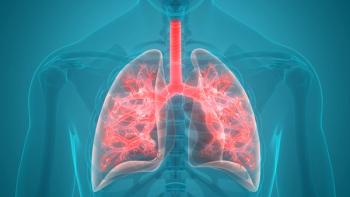
A 4-year cohort study finds pneumococcal vaccine serotypes circulating and increasing among older adults with community-acquired pneumonia.

In part 2, Paul Licciardi, PhD, dives into the evolving need for updated pneumococcal vaccine recommendations and how pharmacists can keep their patients informed.

Among adult patients who have reported a case of invasive pneumococcal disease, researchers address the association of risk factors and recurrent disease.

A new surveillance study shows pneumococcal vaccine shifts cut key antibiotic resistance for invasive pneumococcal disease.

Researchers assess the impact of various pneumococcal conjugate vaccines since the introduction of immunization programming.

Machine learning can uncover immune responses to conserved pneumococcal protein antigens.
The pneumococcal vaccine is approved for protection against 21 serotypes in adults over 18 and children between 2 and 17 at high risk of disease.
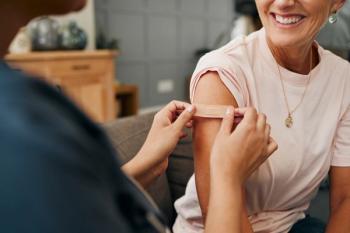
With continued reports of gradually waning efficacy among pneumococcal vaccines, researchers look toward vaccine effectiveness among patients aged 18 to 64 years.
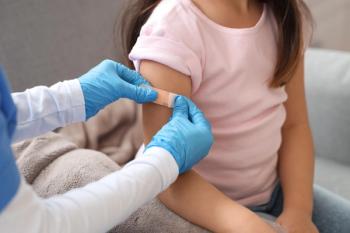
Alongside malnutrition instances and measles cases, researchers review pneumonia disease burden and immune vulnerability across high-risk pediatric groups.
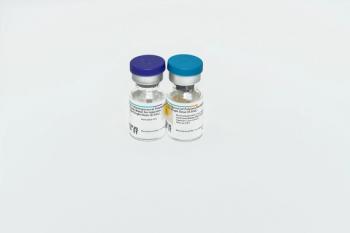
As pneumococcal disease continues to rise since the COVID-19 pandemic, researchers looked at the need to escalate the management of serotype surveillance and vaccine coverage.

Exploring both the PCV20 and PCV21 pneumococcal vaccines, researchers compare the differences in immune effects between patients at 50 and 65 years old.

In a meta-analysis conducted between 2013 and 2023, researchers explore the overall impact of interventions geared toward boosting pneumococcal vaccination rates.
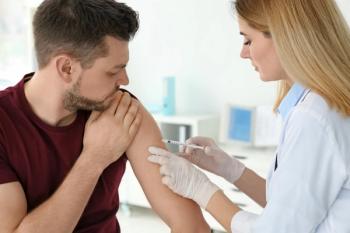
Across rural US community pharmacies, researchers explore the common barriers and facilitators to pneumococcal vaccine uptake.

Exploring pneumococcal vaccination rates among eligible adult patients, researchers conducted a quality improvement initiative at a clinic in Illinois.
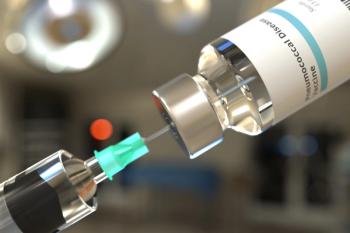
A new 25-valent pediatric pneumococcal vaccine enters phase 3 after strong data, aiming for broader coverage and improved serotype 3 protection.
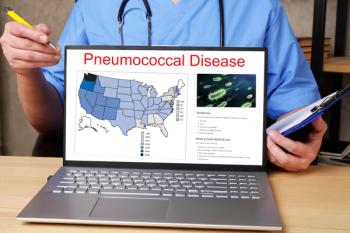
Among both childhood and adult populations, researchers assess the quality of life across a large cohort of patients reporting pneumococcal disease cases.
Preventing pneumococcal disease remains a cornerstone of public health, yet the strategy for protection is increasingly individualized and complex.
Advertisement
Advertisement