The novel tool can be used to inform vaccine policy, monitor impact, and essentially strengthen overall surveillance.
Among adult patients who have reported a case of invasive pneumococcal disease, researchers address the association of risk factors and recurrent disease.
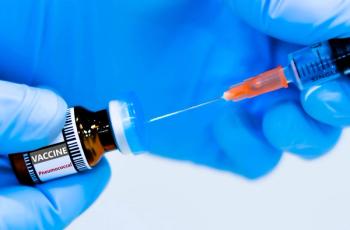
Immunocompromised adults face the highest risk of recurrent invasive pneumococcal disease (rIPD) following a primary case of disease, according to a study in JAMA Network Open.1 With vaccination rates particularly low among study participants, researchers’ findings highlight the need to promote the pneumococcal vaccine for at-risk patients.
“Whilst the vast majority of children with IPD experience a single episode, a small proportion may develop recurrent IPD, although the risk is now substantially lower with routine pneumococcal conjugate vaccine (PCV) use,” wrote the authors of a study published in the Journal of Infection.2 “We have reported a very low risk of recurrent IPD in children after implementation of both PCV7 and PCV13, mainly in those with underlying comorbidities, particularly immunosuppression.”
The JAMA study found that adults who survived a primary episode of IPD remained at a significantly higher risk compared with the general population. In the first year alone, the incidence of recurrence was 1468 cases per 100,000 person-years, a rate 152 times higher than the primary IPD rate in the general population.1
READ MORE:
Certain conditions stood out as major red flags. Adults with a history of stem cell transplants or hematologic cancers saw their odds of recurrence jump more than 5-fold, and HIV infection increased the odds by more than 4-fold. Social determinants also played a role, as individuals experiencing homelessness or struggling with alcohol use disorder faced significantly higher risks than their counterparts.
This trend mirrors findings in pediatric populations, where researchers in England noted that although recurrent IPD is rare, occurring in only 2.2% of children who survive their first bout, the risk is nearly 30 times higher for those who are immunosuppressed. These repeat infections often strike quickly, with the median interval between episodes being as short as 88 days when the same serotype of Streptococcus pneumoniae is involved.2
The CDC emphasizes that this gram-positive bacterium is the culprit behind serious syndromes like pneumonia, bacteremia, and meningitis. Although natural carriage of the bacteria in the respiratory tract is common, those with compromised immune systems or chronic conditions like diabetes and cardiovascular disease are far more likely to see a carriage state turn into an invasive, and potentially repeating, medical crisis.3
For community pharmacists, these statistics represent a critical opportunity for intervention. As some of the most accessible health care professionals, pharmacists are visited twice as often as primary care physicians and serve as trusted sources of accurate medical information. However, identifying which patients need a booster or a primary series remains a challenge.4,5
A cross-sectional study of community pharmacists in South Carolina revealed significant gaps in knowledge, with many struggling to correctly identify vaccination recommendations for high-risk patient cases. Common barriers cited by these professionals include the difficulty of determining patient eligibility and concerns over whether a patient will be willing to receive the vaccine, according to a study published in Vaccine.4
Data from the primary study underscore the urgency of closing this vaccination gap. Among the study participants, a staggering 88% were eligible for the pneumococcal vaccine before their first infection, yet only 27.9% had actually received a dose. Even more concerning is the missed opportunity for secondary prevention: Of the patients eligible for a vaccine after surviving their first episode, only 22.2% were immunized before a second infection occurred.1
Pharmacists are uniquely positioned to bridge this divide by checking immunization records when patients fill prescriptions for medications related to high-risk conditions, such as those for HIV or cancer. Using resources like the PneumoRecs VaxAdvisor app can help pharmacists stay updated on rapidly changing guidelines.1,3-5
Since the latest conjugate vaccines like PCV20 and PCV21 cover roughly 90% of the serotypes responsible for first recurrences, proactive screening and education in the pharmacy setting are more vital than ever.
Pharmacists must also educate their staff on the importance of these immunizations, as clerks or technicians are often the first point of contact and can refer interested patients to the pharmacist for a formal recommendation. Addressing these knowledge gaps and logistical barriers is essential to protecting the most vulnerable populations from the cycle of recurrent disease.4
“We found that immunocompromised adults, individuals experiencing homelessness, and individuals with alcohol use disorder had increased risk of rIPD, and prior vaccination rates were low in all groups. The risk of rIPD was highest early after the primary episode, but substantial increased risk persisted for at least 17 years,” concluded the authors of the current study.1 “These observations suggest that eligible unvaccinated individuals should be vaccinated promptly after an episode of IPD and, because many adults at risk of rIPD are likely to have challenges accessing vaccines, consideration should be given to providing this vaccine during the index hospitalization.”
READ MORE: