A structured recommendation workflow at a community pharmacy was associated with more multivaccine patients than routine practice.
New research shows older adults vaccinate more when confident navigating their health care.
The secret to increasing vaccination rates among older adults may lie less in highlighting the implications of infections and more in bolstering a patient’s confidence in their own ability to navigate the health care system. A study recently published in the Human Vaccines & Immunotherapeutics indicates that for adults 60 years and older, the strongest predictor of willingness to receive lifesaving immunizations is self-efficacy. Using protection motivation theory as a framework, the research suggests that although traditional public health messaging often focuses on the severity of illnesses like pneumococcal pneumonia, such threat-based appeals may be falling on deaf ears among healthy older adults who suffer from a specific type of cognitive bias.1
“We have patients and residents in long-term care settings and older adult settings that there really isn't much controversy over the fact that they need these vaccines and that the conditions that we're vaccinating against are the ones that can take people's lives or put them into the hospital,” Chad Worz, PharmD, BCGP, FASCP, executive director and CEO at the American Society of Consultant Pharmacists, said.2 “Overcoming vaccine fatigue, from a clinician’s perspective, has to do with just staying focused on providing the best care for the patients or residents that you're in front of.”
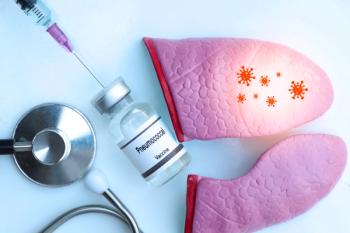
For pharmacists, who are increasingly recognized as the most accessible frontline health professionals, these findings offer a vital roadmap for counseling patients on the prevention of pneumococcal disease. Pneumococcal disease is a significant cause of morbidity and mortality, manifesting in serious forms such as pneumonia, meningitis, and bloodstream infections.1,3
Despite the availability of effective vaccines, coverage remains suboptimal, particularly in regions like China where rates for the pneumococcal pneumonia vaccine have been estimated as low as 3.23% among older adults. This gap in protection is especially concerning given that pneumococcal meningitis kills about 1 in 6 older patients, and bacteremia kills 1 in 8, even with proper medical treatment.1,4
Study investigators highlighted a nuanced psychological divide in how older adults perceive health risks. For the general population of older adults, perceived severity—the belief that a disease is dangerous—does not actually correlate with a higher willingness to get vaccinated. This phenomenon is often attributed to a cognitive bias where healthy individuals underestimate the risks and harms of common infectious diseases, a state similar to the complacency identified in other behavioral models.1
However, the research found a boundary condition, suggesting that for those already in poor health, the perceived severity of a disease becomes a significant motivator. These patients are more responsive to messaging about the potential consequences of infection, such as hospitalization or loss of physical function, because they have a more profound understanding of their own vulnerability.
Pharmacists are uniquely positioned to bridge this communication gap by acting as both advocators and immunizers. A comprehensive meta-analysis indicates that pharmacist-led interventions significantly increase immunization rates compared to usual care. Whether through personalized education, reminder letters, or direct administration, the involvement of a pharmacist provides a favorable effect on vaccine uptake across various settings, including community pharmacies and hospitals.3
By shifting the focus of their advocacy from the dangers of the disease to the benefits of the vaccine—known as response efficacy—and by simplifying the process to reduce the response cost of time and effort, pharmacists can directly influence the cognitive factors that drive protection motivation.1
The clinical recommendations for pneumococcal protection have evolved to include several options that pharmacists must navigate with their patients. Current guidelines recommend that all adults 50 years and older receive a pneumococcal conjugate vaccine, such as PCV15, PCV20, or PCV21. If PCV15 is utilized, it should be followed by a dose of the polysaccharide vaccine PPSV23 to ensure comprehensive coverage. For those who have already received older versions of the vaccine, such as PCV13, the Centers for Disease Control and Prevention suggests that patients and providers should decide together whether to complete the series with the newer PCV20 or PCV21 options.4,5
“[Pharmacists] can provide the vaccines to the nursing staff who administer the vaccines. They can provide the vaccines to the nursing home on the day that the consultant pharmacist is there, and they could vaccinate individuals, and they can do clinics at those nursing facilities with pharmacy staff or a combination of pharmacy staff and nursing staff,” Worz said.2 “Just making it part of the routine and getting into a cadence with vaccinations, I think, is really important.”
READ MORE:
Are you ready to elevate your pharmacy practice? Sign up today for our