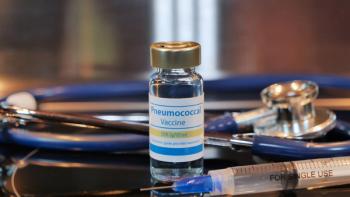
Cohort studies found no clear cardiovascular benefit from PPV23 vaccination, leaving its role in cardiovascular prevention unresolved.
Exploring data across a variety of income settings, researchers conduct a review of invasive pneumococcal disease carriage, cases, and their associations.
A global meta-analysis revealed that the danger posed by Streptococcus pneumoniae (S. pneumoniae) is far from uniform, as the potential for this pathogen to turn from a harmless colonizer into a deadly invader depends heavily on its specific serotype carriage, according to a study in The Lancet Microbe.1
“Invasive pneumococcal disease (IPD) is preceded by acquisition and colonization by pneumococcus [or S. pneumoniae] in the upper airways,” wrote the authors of a study published in the Journal of Infection.2 “To date, over 100 different pneumococcal serotypes with unique capsular polysaccharides have been identified with different abilities to cause IPD.”
The Lancet study, which analyzed paired estimates of disease incidence and carriage prevalence across 18 countries, found that pneumococcal invasiveness varies significantly based on serotype, patient age, and even a country’s income level. As part of the study, they defined invasiveness as the case-carrier ratios (CCRs) identified.1
For community pharmacists on the front lines of immunization, these findings underscore that preventing IPD requires a nuanced understanding of how different bacterial strains interact with diverse host populations.1,3
READ MORE:
The biological journey of pneumococcus begins with nasopharyngeal colonization, a necessary precursor to more severe outcomes like meningitis or sepsis. Research into transmission mechanisms indicates that factors such as the type and amount of a serotype’s capsular polysaccharide are critical determinants of how effectively the bacteria shed from one host and survive in the environment to reach another.1,4
Once in the environment, pneumococci can persist on surfaces like toys or linens for hours, utilizing biofilms to survive until they can adhere to the nasopharynx of a new host. However, once colonization is established, the likelihood of infection into the bloodstream varies wildly. For instance, certain serotypes like 8, 12F, and 1 are recognized for their high invasive potential compared with more common but less aggressive strains.1,2,4
This variation in invasiveness is further complicated by the phenomenon of serotype replacement, where the successful elimination of vaccine-targeted strains leads to the rise of nonvaccine serotypes. In the Netherlands, although overall carriage has stabilized, IPD incidence has begun to rise again, driven largely by serotypes like 19A that possess high invasive potential.2,5
Similarly, mathematical modeling of transmission dynamics in Germany predicts an increasing IPD burden among older adults due to serotypes like 22F and 10A, which are included in next-generation vaccines but not in older formulations. These shifts mean that the moving target of pneumococcal epidemiology requires pharmacists to stay informed about the expanding valency of new pneumococcal conjugate vaccines (PCVs), such as PCV15, PCV20, and PCV21.3,5,6
Beyond the lab, social determinants of health play a massive role in how these serotypes impact communities.
In the US, significant racial and environmental disparities exist, with Black adults and rural residents experiencing a higher clinical and economic burden of pneumococcal disease, according to Pneumonia (Nathan).6
These vulnerable populations often face lower vaccination rates due to barriers like lack of transportation, limited health care access, and socioeconomic disadvantage.
Pharmacists are uniquely positioned to bridge these gaps, as they are visited more frequently than primary care physicians and serve as accessible health care hubs even in underserved rural areas.3
Despite their pivotal role, many community pharmacists report significant barriers to optimizing pneumococcal care, including complex, frequently changing vaccination schedules and difficulty determining patient eligibility. A recent survey highlighted that while pharmacists are confident in their ability to deliver services, there are notable gaps in their knowledge of the latest guidelines.
Addressing these gaps is essential, as the effective use of higher-valency vaccines could cover a much larger proportion of current IPD cases. By combining clinical knowledge of serotype-specific risks with targeted outreach to high-risk groups, pharmacists can significantly reduce the global burden of this unpredictable pathogen.2,4-6
“Pneumococcal invasiveness varies by serotype, age group, country income group, HIV status, and over time; however, substantial variation remains unexplained,” concluded the authors of the current study. “Our CCRs represent the most representative estimates of invasiveness currently available for use in statistical or mathematical prediction models of disease incidence, where only carriage prevalence data are available.”
READ MORE:
Are you ready to elevate your pharmacy practice? Sign up today for our