An analysis found all-cause pneumonia Black, lower-income, and medically at-risk children still face substantially higher rates of hospitalization.
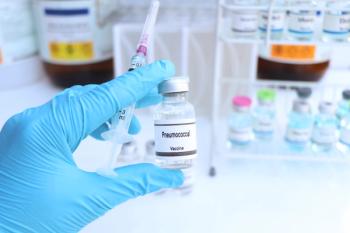
The pneumococcal vaccine is approved for protection against 21 serotypes in adults over 18 and children between 2 and 17 at high risk of disease.
The FDA gave an additional indication for Merck’s Capvaxive 21-valent pneumococcal conjugate vaccine (PCV21), extending to children aged 2 to 17 years at high risk of pneumococcal disease, according to a news release.1 More specifically indicated for children that have completed a primary vaccination series with at least 1 chronic medical condition, this is the first pneumococcal vaccine approval for this population.
“Patients do not need to receive a pneumococcal vaccine annually but based on their age and risk conditions,” Gretchen K. Garofoli, PharmD, BCACP, CTTS, FAPhA, clinical professor at the West Virginia University School of Pharmacy,
This regulatory milestone addresses an unmet need for pediatric patients living with conditions such as chronic heart, lung, liver, or kidney disease, as well as diabetes. The approval was primarily informed by results from the STRIDE-13 (
READ MORE:
In the trial, Capvaxive demonstrated noninferiority to the older 23-valent pneumococcal polysaccharide vaccine (PPSV23) for shared serotypes and elicited greater statistically significant immune responses for the 9 serotypes unique to Merck’s formulation.1
For pharmacists, the clinical utility of this vaccine is underscored by its ability to cover approximately 79% of the serotypes responsible for invasive pneumococcal disease (IPD) in high-risk pediatric populations.
Understanding the biological mechanism behind these vaccines is essential for clinicians who must educate parents on why a conjugate vaccine might be preferred over older polysaccharide options. Although PPSV23 has been a long-standing tool for protecting the immunocompromised, it primarily induces a T-cell-independent immune response, which is poorly immunogenic in children under 2 years of age, according to a study in Vaccines.3
Furthermore, repeated doses of polysaccharide vaccines can lead to a phenomenon known as hyporesponsiveness, where subsequent immune responses are diminished. In contrast, pneumococcal conjugate vaccines (PCVs) like PCV21 use a carrier protein to induce both B-cell and T-cell responses, leading to mucosal immune memory and a more durable shield against bacteria that cause pneumonia, meningitis, and bacteremia.3,4
The complexity of the current landscape means pharmacists must act as lead conductors in a delicate symphony of clinical factors, including age and geography. This includes navigating the different valencies of PCV15, PCV20, and PCV21. For instance, though PCV21 includes 8 unique serotypes not found in other licensed vaccines, it does not contain serotype 4.2,5
This specific strain has recently reemerged as a significant cause of IPD in certain geographic regions, particularly in the Western US, Alaska, and within the Navajo Nation. In these communities, where serotype 4 may account for a high percentage of cases among unhoused populations or those with specific risk conditions, pharmacists might prioritize vaccines like PCV20 or PCV15 followed by PPSV23 to maintain coverage.
Safety remains a primary concern for pediatric immunization providers, and data from phase 2 studies in healthy toddlers and infants have shown that PCV21 formulations are generally well-tolerated when administered alongside routine childhood shots. These studies confirmed that PCV21 can be given concomitantly with vaccines for diphtheria, tetanus, and pertussis; rotavirus; hepatitis B; measles, mumps, and rubella; and varicella without clinical interference with the safety or immunogenicity profiles of those vaccines, according to the Pediatric Infectious Disease Journal.4
In the STRIDE-13 trial specifically, the most common reactions reported in the 2-to-17 age group included injection site pain, erythema, fatigue, and headache, with most symptoms resolving within a few days.1
Pharmacists should be prepared to discuss these common adverse effects while also noting that serious adverse events were rare, occurring in roughly 5.5% of recipients—a rate comparable with those receiving PPSV23.
The successful implementation of these new guidelines depends on the proactive role pharmacists play in assessing a patient’s medical history and environment. By matching the appropriate vaccine technology to the individual’s risk profile, the pharmacy profession ensures that vulnerable children receive a tailored shield against life-threatening infections, thereby improving long-term health outcomes and quality of life.1,2
“Children and adolescents with certain chronic conditions are at an increased risk for pneumococcal disease, including pneumonia, meningitis, and bloodstream infections,” concluded Rotem Lapidot, MD, chief of pediatric infectious diseases at Rambam Health Care Campus and investigator of the STRIDE-13 trial. “This approval recognizes the potential of CAPVAXIVE to deliver additional protection by including serotypes not contained in approved primary pediatric PCV series and represents a new approach to helping protect children and adolescents at increased risk for pneumococcal disease.”
READ MORE: