


Insulin Management
Latest News
Advertisement
Latest Videos







Shorts

0:52
Pharmacists Manage Complex, High-Dose Insulin Regimens in Diabetes
10 months ago
by
Brian Nowosielski(+1 more)
CME Content




















Advertisement
More News
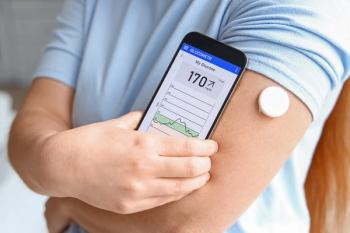
New Glycemia Risk Index data shows continuous glucose monitoring cuts hypo- and hyperglycemia risk in type 1 diabetes, giving pharmacists a faster way to estimate control.

New study links basal‑prandial insulin to healthier remnant cholesterol in type 2 diabetes, spotlighting hidden cardiovascular risk beyond low-density lipoprotein and A1c.

Pharmacists help women with type 1 diabetes plan pregnancy, adjust insulin and tech, and stay safe postpartum with personalized guidance.

MiniMed Flex is a smaller, screenless, and phone-controlled insulin automation that shows how pharmacists boost AID success for patients with diabetes.

The new parameter combines waist circumference, hypertension status, and glycated hemoglobin to determine insulin resistance.

Remote hub model in New Zealand upskills pharmacists to launch automated insulin delivery faster, expanding equitable access for type 1 diabetes.

Pharmacists’ word choices shape insulin-pump trust, reduce diabetes stigma, and uncover hidden needs—boosting adherence and A1C outcomes.

Precision nutrition reshapes type 2 diabetes prevention, using genes, epigenetics, and microbiome insights to tailor diets that improve glycemic control.

Weekday sleep near 7 hours optimizes insulin sensitivity, and too little or too much could harm metabolism.

Episode 7 dives into new standards of care from the American Diabetes Association and what updates are most important for pharmacists.

As patients with diabetes and other cardiometabolic conditions take control of their insulin regimens, so too are pharmacists stepping in to help manage new technologies, guidelines, and medications.

Personalized insulin management and small lifestyle changes empower diabetes patients to improve their health and confidence in self-care.

Pharmacists enhance diabetes care by educating patients on insulin management, ensuring safe practices, and tailoring regimens for better glycemic control.
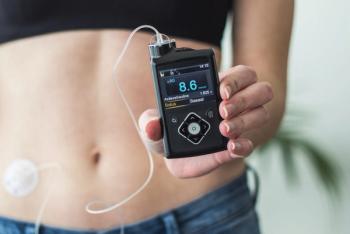
The evolving landscape of type 2 diabetes management with advanced insulin delivery systems enhances patient outcomes and pharmacist roles.
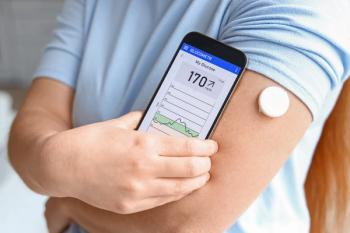
Low-carbohydrate diets, education, and technology enhance glycemic control and well-being for adults with type 1 diabetes.
Episode 5 explores insulin management as well as the insulin products, doses, and administration tools all pharmacists should be familiar with for their patients with diabetes.

Patients tend to trust their physician to deprescribe more than their community pharmacist.
Pharmacists enhance diabetes care through text messaging interventions, improving medication adherence and glycemic control in patients with complex treatment plans.

Through diabetes education and initiatives focused on community health care, Clipper F. Young, PharmD, MPH, CDCES, BC-ADM, BCGP, is making a difference for patients and the pharmacy profession.

The model is designed to increase access, utilization, and adherence to insulin by lowering its maximum price.
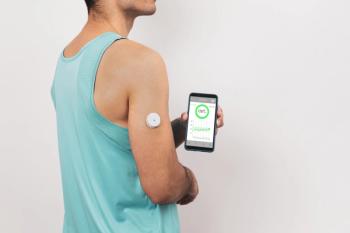
Medtronic’s diabetes management technology reached 2 milestones upon FDA approval, allowing integration of continuous glucose monitoring for patients with type 1 and type 2 diabetes.
In the context of the COVID-19 pandemic, researchers investigated how insulin use and glycemic control were associated among patients with type 2 diabetes.

Pharmacists can improve insulin safety and adherence by combining in-person counseling with practical tools, regular check-ins, and proactive education.

Pharmacists play a key role in monitoring insulin use by addressing dosing, storage, and symptom management through regular, supportive patient check-ins.
The FDA approves Kirsty, an interchangeable biosimilar insulin, enhancing diabetes treatment options and accessibility for patients.
Advertisement
Advertisement
Trending on Drug Topics
1
Confounding by Depression, Not SSRIs, Drives Most Pregnancy Risks
2
FDA Approves Bixlenvo, a Single Tablet Option for Adults With HIV
3
US Disease Tracker Launches to Monitor Vaccine-Preventable Illnesses
4
Pharmacists as the Center of Prescribing in US Health Care
5