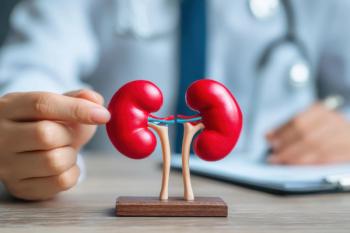
Therapy is aimed at decreasing pathogenic IgA production and immune complex formation as well as managing the effects of existing nephron loss.
As patients with diabetes and other cardiometabolic conditions take control of their insulin regimens, so too are pharmacists stepping in to help manage new technologies, guidelines, and medications.
Managing insulin has long been a daunting balancing act, but 2025 marked a definitive shift toward simplification and high-tech support. From the arrival of once-weekly injections that slash the yearly needle burden by over 300 to the first interchangeable rapid-acting biosimilars, researchers and providers alike made strides in their ability to more effectively manage patients’ insulin.
Here are the most-read
A systematic review of 29 randomized controlled trials found that text messaging interventions offer a scalable and effective way to bridge care gaps for patients with diabetes, leading to modest but statistically significant reductions in HbA1c. The impact was most pronounced among high-risk patients with baseline levels above 8.6%, though researchers noted that these benefits often diminished after 12 months.
Pharmacists are increasingly integrating these digital strategies into Collaborative Drug Therapy Management (CDTM) to address the fact that nearly 50% of chronic disease medications are not taken as prescribed. By combining automated health reminders with professional medication reviews, providers can more effectively support patients managing complex treatment plans and socioeconomic barriers.
In a survey published in Basic and Clinical Pharmacology and Toxicology, researchers found that older patients are significantly more hesitant to discontinue insulin when compared with other chronic medications like statins or antihypertensives. While 87% of patients were willing to stop a medication if their physician suggested it, only 20% felt positive about deprescribing insulin, largely due to belief that the medication is essential for long-term survival.
Researchers also noted that regular glucose monitoring often reinforces the patient's perceived need for continuous insulin use, leading 78% of users to worry about missing out on future health benefits if they stop. These findings highlighted the need for comprehensive medication management, where pharmacists and physicians work together to address patient concerns and optimize regimens during clinical medication reviews.
Data from the 2025 American Diabetes Association’s (ADA) Scientific Sessions confirmed that investigational, once-weekly insulin efsitora alfa provides noninferior blood glucose control compared with traditional daily basal insulins. Results came from the QWINT-1, QWINT-3, and QWINT-4 clinical trials. Across the QWINT program, efsitora demonstrated similar reductions in HbA1c and comparable safety profiles, with some trials showing a 1.31% reduction over 52 weeks.
By reducing the treatment burden from 365 injections per year to just 52, this once-weekly regimen aims to simplify therapy and reduce the clinical inertia often associated with starting insulin for type 2 diabetes. Experts noted that efsitora also showed similar time-in-range results and nocturnal hypoglycemia rates, offering a streamlined fixed-dose titration that could significantly enhance patient adherence.
Real-world data from the BURST study, also presented at the 2025 ADA 85th Scientific Sessions, demonstrated that the Bigfoot Unity Diabetes Management System significantly improves long-term outcomes for patients on multiple daily injections. By integrating a smart insulin pen cap with continuous glucose monitor data, the system provides real-time dose recommendations and alerts for missed doses, which led to a 1.3% mean reduction in HbA1c over 12 months among participants.
Beyond clinical metrics, patients reported a substantial decrease in diabetes distress and an increase in hypoglycemic confidence, suggesting the technology helps simplify complex dosing direction. Because over 80% of insulin-requiring patients rely on injections rather than pumps, these intuitive systems are proving essential for translating glucose data into safe, actionable steps for clinical decision-making.
In July of 2025, the FDA approved insulin aspart-xjhz (Kirsty) as the first and only interchangeable biosimilar of NovoLog, marking a major milestone in improving the affordability of rapid-acting insulin. This designation allowed pharmacists to substitute the biosimilar for the brand-name product at the pharmacy counter without needing a new prescription from a health care provider.
Clinical trials involving both adult and pediatric patients confirmed that the biosimilar is as safe and effective as the reference product in lowering HbA1c levels. As the number of diabetes diagnoses continues to climb, pharmacists are uniquely positioned to use this new interchangeability to bridge care gaps, offering patients more cost-effective treatment options while serving as essential extenders of the primary care team.