






















Community pharmacists play a crucial role in helping patients start insulin with confidence through education, emotional support, and hands-on guidance.
Community pharmacists play a crucial role in helping patients start insulin with confidence through education, emotional support, and hands-on guidance.
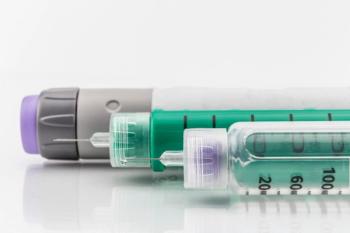
Susan Cornell, PharmD, CDCES, FAPhA, FADCES, discusses how pharmacists can explain insulin timing and mealtime coordination effectively to patients.

Pharmacists play a key role in ensuring safe and effective insulin use by identifying common challenges, providing ongoing education, and supporting patient confidence through regular engagement.

Amid increased advancements in diabetes management, Diana Isaacs, PharmD, BCPS, BCACP, BC-ADM, CDCES, discussed how these developments are currently impacting the delivery of insulin.

Jennifer Clements, PharmD, FCCP, FADCES, BCPS, CDCES, BCACP, BC-ADM, discusses how pharmacists can collaborate with providers to optimize insulin therapy.

Susan Cornell, PharmD, CDCES, FAPhA, FADCES, discusses how pharmacists can help patients who express fear when starting insulin therapy.
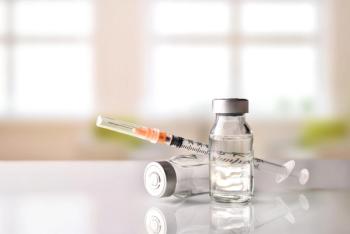
Jennifer N. Clements, PharmD, FCCP, FADCES, BCPS, CDCES, BCACP, BC-ADM, discusses how pharmacists can help patients manage insulin.

Diana Isaacs, PharmD, BCPS, BCACP, BC-ADM, CDCES, discusses how diabetes advancements like GLP-1s and CGM have impacted the management of insulin.

Researchers conducted a narrative review of the insulins available for diabetes management and which pharmacological options are best in the perioperative period and within clinical care.

Diana Isaacs, PharmD, BCPS, BCACP, BC-ADM, CDCES, joins Drug Topics to discuss her extensive background in managing patients’ insulin regimens.
Diana Isaacs, PharmD, BCPS, BCACP, BC-ADM, CDCES, discusses the importance of insulin delivery and the common barriers pharmacists face in managing patients’ regimens.

Researchers explored the effectiveness of telephonic insulin titration by a clinical pharmacist compared with in-office titration among patients in a medical residency clinic.

Efsitora demonstrates noninferior reductions in hemoglobin A1c and similar rates in patients with an A1c level less than 7% compared with common daily insulin.
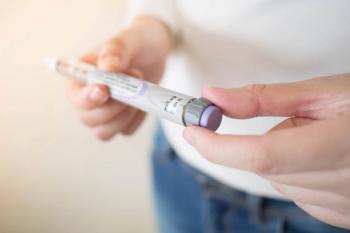
Patients who used the Bigfoot Unity Diabetes Management System had glycemic control and reduced diabetes distress.
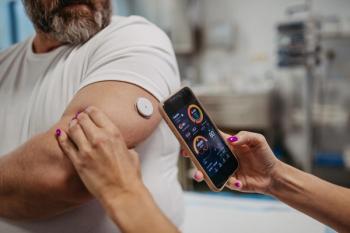
Control-IQ+ was associated with a greater reduction in glycated hemoglobin compared to a continuous glucose monitor alone.
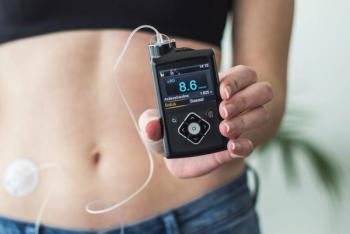
These findings challenge the common assumption that older adults might struggle to use more advance medical devices.

Children with type 1 diabetes who watched educational videos and played games had improved glycemic control and quality of life.

Jennifer Goldman, PharmD, CDCES, BC-ADM, FCCP, discusses key risk factors for hypoglycemia and what education programs should emphasize so people with diabetes and their caregivers can improve its management.
MannKind announced results from the INHALE-1 study that examined Afrezza in children and adolescents with diabetes.
Medication alerts, nurse education, and pharmacist interventions led to lower hypoglycemic events every year after they were implemented.
Two phase 3 trials demonstrated that once-weekly insulin efsitora is as effective as daily insulin in lowering HbA1c in both type 1 (T1D) and type 2 diabetes (T2D).